
The Invisible Frustration of Endless Breakouts
You wake up, walk to the bathroom mirror, and feel your heart sink. Another painful red bump has appeared on your chin overnight. You washed your face, used your expensive creams, and did not touch your skin.

It feels incredibly exhausting when you do everything right but still get bad results. You might start hiding your face under heavy makeup or avoiding social plans with friends. This constant struggle can quickly wear down your confidence and peace of mind.
I still remember standing in front of my bathroom mirror two years ago, crying over yet another stubborn breakout while holding a ridiculously expensive exfoliating brush. I used to scrub my face twice a day with walnut shells, thinking I was just washing the acne away, only to watch my skin turn redder, angry, and way worse than before.
It took me months of painful trial and error to finally realize that my aggressive daily routine was actually the main enemy waging war against my own skin.
The sad truth is that your daily routine might actually be working against your face. Many people try so hard to fix their skin that they accidentally make the irritation worse. Let us look at the hidden errors you might be making every single day.
The Danger of Scrubbing Your Skin Too Hard
Before you read on, you need to watch this quick video to actually see how aggressive scrubbing destroys your delicate skin barrier under a microscope!
Many people believe they can simply scrub their pimples away. They use rough face scrubs with walnut shells or stiff brushes to clean their pores.
This rough scrubbing actually tears your delicate skin barrier. These tiny, invisible tears allow bacteria to enter deeper into your skin layers. This makes your breakouts look redder and spread much faster than before.
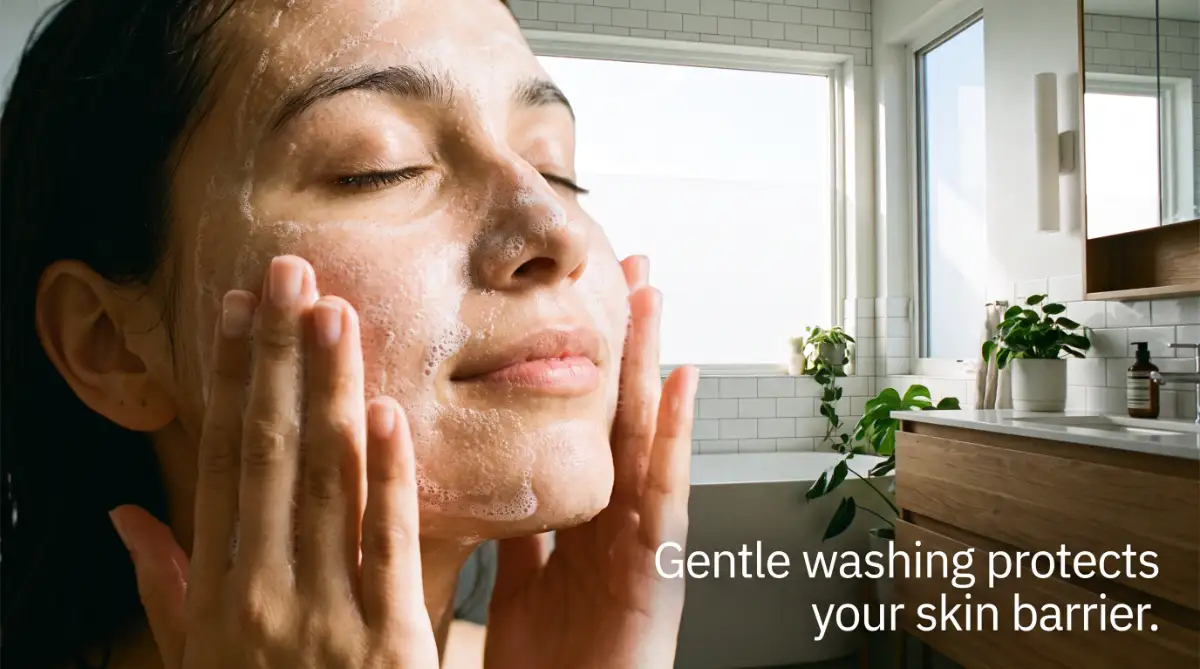
Instead of scrubbing, try using only your clean fingertips to wash your face. Gently massage a mild cleanser onto your wet skin using slow, circular motions. This protects your skin's natural defense system while still removing daily dirt.
The Hidden Cost of Popping and Squeezing Pimples
Popping a pimple feels incredibly satisfying in the moment. However, squeezing a breakout forces the bacteria and pus deeper into your pores.
This deep pressure causes worse infections and leaves permanent dark scars behind. Your hands also carry millions of invisible germs from your phone and keyboard.
When you touch your face, you transfer these germs directly to your open pores. Try using a tiny, clean pimple patch over your breakout instead of squeezing it. This keeps your fingers away and helps the spot heal much faster.
Mixing Too Many Active Ingredients at Once
You might use a salicylic acid cleanser, followed by a glycolic acid toner, and then a benzoyl peroxide cream. Using too many strong products at the same time completely dries out your skin.
When your skin becomes dry and irritated, it tries to protect itself. Your body begins to produce even more natural oil to cover the dry patches.
This extra oil quickly gets trapped inside your pores, leading to more acne. Stick to one active treatment at a time to keep your skin calm and balanced.
Product Type Active Ingredient Safe to Mix? Best Time to Use Cleanser Salicylic Acid Yes (with gentle moisturizer) Morning Serum Retinol No (avoid mixing with acids)Night Only Spot Treatment Benzoyl Peroxide No (use alone on specific spots)Night Only
Why Skipping Moisturizer Makes Oily Skin Worse
Many people with oily skin avoid using moisturizer because they fear it will clog their pores. This is one of the most common mistakes you can make.
When you skip moisturizer, your skin surface becomes dehydrated. To fix this dryness, your oil glands go into overdrive and produce excess sebum.
Check below>>
Look for a lightweight, water-based gel moisturizer instead of heavy creams. Ensure the label says "non-comedogenic," which means it will not block your pores. This keeps your skin hydrated without adding unwanted grease.
The Invisible Dirt on Your Pillowcase and Phone
Your pillowcase absorbs sweat, dead skin cells, and hair products every single night. When you sleep on it repeatedly, you press this dirty buildup back into your skin.
Your mobile phone screen is also covered in oils and dirt from your hands. Holding your phone against your cheek transfers these bacteria directly to your face.
Try to change your pillowcase at least once a week to prevent this buildup. Also, get into the habit of cleaning your phone screen daily with a soft cloth. These small habits make a surprisingly big difference in your skin health.
Using the Wrong Hair Products Near Your Face
Heavy hair oils, leave-in conditioners, and styling sprays can easily drip onto your forehead. These products often contain thick waxes and heavy oils that are terrible for acne-prone skin.
When these ingredients mix with your sweat, they quickly block your pores along your hairline. This often causes small, stubborn bumps to appear near your forehead and temples.
Try washing your face after you have rinsed out all your hair products in the shower. This simple step ensures no leftover shampoo or conditioner remains on your skin.
Washing Your Face with Hot Water
Washing your face with hot water can feel very relaxing after a busy day. Unfortunately, hot water strips away the essential oils your skin needs to stay healthy.
This leaves your skin dry, red, and highly irritated. It can also make your existing acne feel more painful and inflamed.
Always use lukewarm or cool water when you wash your face. Warm water is perfect for removing dirt without drying out your skin.
How Long It Takes to See Real Improvements
Your skin needs time to heal and adjust to healthier daily habits. A typical skin cell cycle takes about twenty-eight days to complete.
Do not expect your acne to disappear overnight after making these simple changes. Be patient with your routine and give your skin a few weeks to show progress.
Consistent, gentle care is always better than chasing quick results with harsh products. Your skin will thank you for being patient and kind to it.
Advanced Strategies for Lasting Skin Balance
To get clear skin that stays healthy long-term, you need to look beyond basic daily washing. Experts often recommend a method called skin cycling to help your skin rest and recover. This method prevents your face from becoming irritated by too many strong acne treatments.
Skin cycling involves using active ingredients on some nights and focusing purely on hydration on other nights. For example, you might use a chemical exfoliant on night one to clean your pores. On night second, you apply a retinoid to help your skin cells renew.
Honestly, the biggest mistake I made for years was thinking that more products equaled faster results, until my skin barrier got so damaged that even plain water started burning. If I could go back in time, I would force myself to embrace a simple rest night instead of layering harsh acids every single evening.
Trust me, giving your skin a two-night break just to focus purely on basic hydration is a complete game-changer that will save you months of frustration.
Nights three and four are dedicated completely to recovery and deep hydration. During these recovery nights, you only use a gentle cleanser and a simple, soothing moisturizer. This deliberate rest period allows your protective skin barrier to rebuild itself.
Building a stable protective barrier takes time and consistent daily patience. It is highly similar to learning how to build a bulletproof emergency fund fast, where small, daily habits eventually create a strong safety net.
Another important factor is understanding how your daily diet can impact your skin. Scientific studies show a strong connection between high-sugar foods and sudden acne flare-ups. When you eat sugary snacks or white bread, your blood sugar levels spike very rapidly.
This spike triggers your body to release a hormone called insulin. High insulin levels cause your oil glands to produce much more sebum than your skin actually needs. This excess oil can quickly mix with dead skin cells and clog your pores.
To help keep your skin calm, try adding more low-glycemic foods to your daily meals. Foods like oats, fresh vegetables, and lentils do not cause wild blood sugar spikes. You can read more about how diet affects skin health on the American Academy of Dermatology Association website.
Keeping Your Skin's pH Balance Stable
Your skin has a natural, slightly acidic barrier called the acid mantle. This thin layer helps protect your face from harmful bacteria and environmental dust. When you use harsh soaps, you disrupt this delicate acid balance.
Most regular bar soaps are highly alkaline, which completely strips your skin's protective mantle. This leaves your face vulnerable to the very bacteria that trigger painful acne bumps. Look for cleansers that are labeled as pH-balanced to keep your skin protected.
When you try to use too many active creams at once, you make your skincare routine messy and complicated. Simplifying your daily product list is just like learning how to consolidate multiple debts without hurting your credit score because grouping things together makes management much easier.
The Role of Daily Stress and Sleep
When you are stressed, your body releases a hormone called cortisol. High cortisol levels tell your skin glands to produce a heavy amount of oil. This is why you often get sudden breakouts right before an important exam or a busy work meeting.
Getting at least seven to eight hours of deep sleep each night is essential for your skin. Your body goes into repair mode while you sleep, healing damaged cells and reducing inflammation. Skipping sleep makes it much harder for your skin to heal existing acne scars.
Try to practice simple relaxation methods like deep breathing or taking a short evening walk. Keeping your mind calm is a highly effective way to keep your skin clear from the inside out.
In addition, always wash your face immediately after working out or sweating heavily. Sweat left on your skin can easily trap bacteria inside your pores. A quick rinse with cool water can prevent these sweat-induced breakouts from forming.

The Traps That Keep Your Skin in a Loop of Inflammation
When people are desperate to clear their acne, they often fall into dangerous skincare traps. One of the biggest mistakes is trying popular DIY internet hacks on your face. People often apply household items like toothpaste, lemon juice, or baking soda directly onto their pimples.
These ingredients are highly acidic or basic and are never meant for human skin. Lemon juice can cause severe chemical burns when your face is exposed to sunlight. Toothpaste contains harsh chemicals that dry out your skin so fast that it cracks and scars.
Another common pitfall is expecting your acne treatments to work in just a day or two. Many people switch to a brand-new product line every week because they do not see instant results. This constant switching keeps your skin in a perpetual state of shock and irritation.
If you skip your basic evening skincare steps, your progress can slide backward quickly. This setback is very much like what happens if you miss a personal loan emi payment, because one small slip-up can disrupt your long-term consistency.
You must give any new skincare routine at least six to eight weeks to show real changes. It takes time for your deeper skin layers to heal and rise to the surface. Changing your products too quickly will only leave you feeling frustrated and empty-handed.
Overusing Acne Spot Treatments
Using too much spot treatment is another mistake that can easily ruin your skin texture. Many people apply thick layers of benzoyl peroxide or salicylic acid all over their face. These treatments are highly concentrated and are only meant to be used on specific spots.
Applying them to healthy skin causes extreme dryness, peeling, and redness. This damage makes your skin look older and makes it much easier for new acne bacteria to settle in. Always use a very tiny, pea-sized amount only on the actual active pimple.
It is also a mistake to stop using your acne treatments the moment your face clears up. Acne is a continuous skin condition that requires ongoing, gentle maintenance. Stopping your routine suddenly can cause the underlying clogged pores to flare up again.
Before you start using powerful dermatologist treatments, you must prepare your skin and understand the rules. Just like researching the personal loan mistakes you must avoid before borrowing money, knowing what to avoid in skincare saves you from major future trouble.
To understand the science behind how acne develops in your pores, you can look at this helpful study on the National Institutes of Health website. Understanding the biology of your skin helps you make much smarter product choices.
Your Daily Action Plan for Clearer Skin
Healing your skin does not require a hundred expensive bottles or complicated routines. The most successful skincare journeys are built on simplicity, consistency, and gentle care. By avoiding the common mistakes we have discussed, you are already halfway to your goal.
Do not feel discouraged by temporary breakouts or slow progress along the way. Your skin is a living, breathing organ that reacts to your environment, emotions, and habits. Treat your face with kindness instead of fighting against it with harsh chemicals.
Fixing your skin isn't an overnight miracle, and believe me, I totally understand the temptation to throw away all your products when things don't clear up in a week. But once I finally stopped fighting my face with harsh chemicals and started treating it with actual patience, everything changed for the better.
Take a deep breath, put away those aggressive scrubs tonight, and give your skin the gentle kindness it has been begging you for.
Take a moment tonight to simplify your current skincare setup. Put away the harsh scrubs and stick to a basic, calming routine for the next few weeks. You will be surprised by how quickly your skin can heal when you simply stop irritating it.
Start your new, gentle approach tonight and watch your skin slowly transform into its healthiest, happiest state. You have the knowledge now to make smart, safe decisions for your face every single day.
Disclaimer
This article is for informational and educational purposes only and does not substitute for professional medical advice, diagnosis, or treatment. Always consult with a board-certified dermatologist or qualified healthcare provider before starting any new skincare routine or using new active ingredients on your skin.


