The Journey to American Universities: Overcoming the Paperwork Maze
Have you ever stared at a blinking cursor on a blank screen, wondering if your high school grades are actually good enough to cross the ocean? You are not alone in this quiet panic. Thousands of bright students sit at their desks every single night, buried under piles of report cards, test booklets, and draft essays.
Your chest tightens a bit because you know one tiny missing paper could mean a rejected dream. The stress creeps into your daily life, making it hard to sleep or focus on your current classes.
I still remember staring at my own computer screen late at night, completely overwhelmed by the sheer volume of paperwork required just to apply to an American college. When I first saw terms like CSS Profile and certified grade translations, my stomach dropped because I had no idea where to start or who could guide me.
That exact feeling of panic is why I built this complete walkthrough, so you never have to guess your way through the admissions process alone.
We often forget that behind every successful American university freshman is a trail of nervous checklists and late-night formatting sessions. You might feel like you are speaking a completely foreign language when terms like "transcripts," "CSS Profile," and "fee waivers" pop up on your screen.
It feels heavy, almost unfair, when your future hangs on administrative rules you are just learning about today. But take a deep breath. This massive paperwork puzzle is entirely solvable once you break it down into smaller, bite-sized pieces. Let us walk through this together, one document at a time, so you can turn that anxiety into quiet confidence.

Demystifying Your High School Academic Record
Your high school grades tell the story of your intellectual growth over the past four years. Admissions officers in the United States want to see consistency, improvement, and a willingness to challenge yourself. They do not just look at a single final number; they look at the actual journey you took.
You need official transcripts from every secondary school you attended since ninth grade. Make sure these records are translated into English by a certified professional if your local school issues them in another language. Never try to translate your own grades, as universities strictly require third-party verification for non-English documents. A strong upward trend in your math or science scores speaks louder than a single rocky semester in your sophomore year. Keep your school counselor in the loop early so they can upload these files securely through online application portals without delays.
The Power of Personal Voice: Crafting Your Main Essay
Your academic stats get you through the front door, but your personal essay invites you to sit at the table. This is your one big chance to show the admissions committee who you are beyond the numbers.
Write about a moment that truly changed your perspective, rather than trying to sound like a textbook. Admissions teams read thousands of essays every week, and the ones that stick in their minds are honest, grounded, and deeply personal. Keep your sentences crisp and avoid overly complex vocabulary that does not sound like your everyday voice. Show your resilience by describing how you handled a real failure or a difficult family situation. Let your authentic personality shine through every single paragraph you write.
Securing Meaningful Letters of Recommendation
If you are struggling to figure out how to ask your teachers for strong letters of recommendation without sounding awkward, watch this quick step-by-step video breakdown below to master the exact conversation.
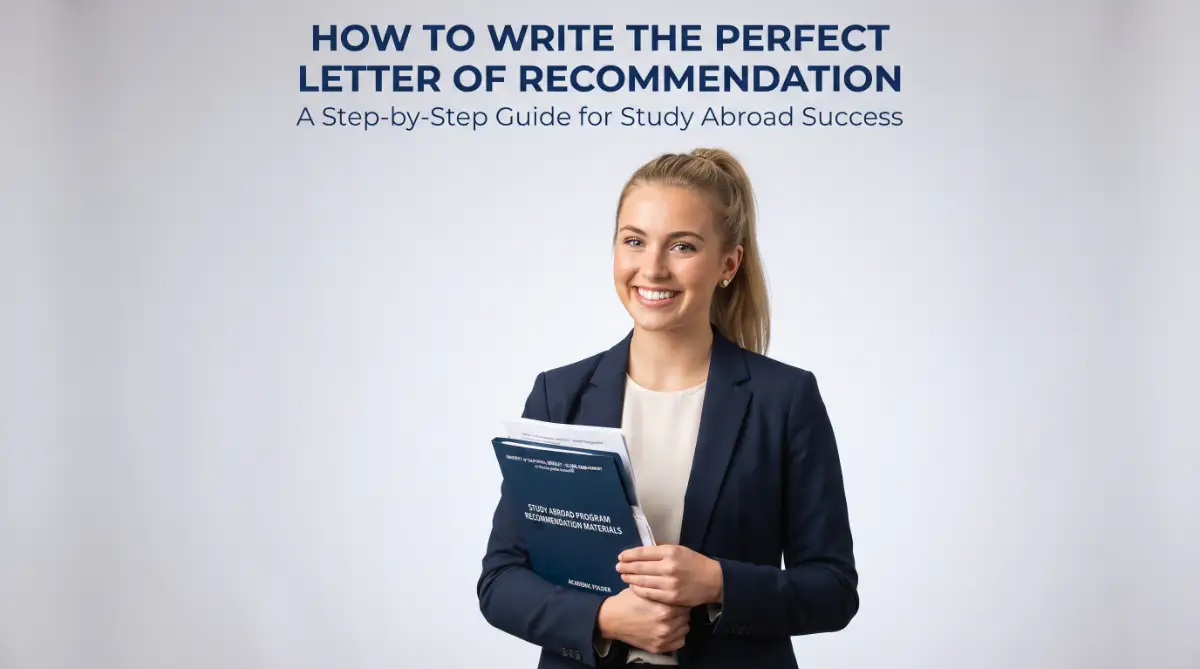
Getting letters of recommendation feels a bit like asking someone to write a mini-biography about your character. You want teachers who know you well inside the classroom, not just the ones who gave you an easy top grade.
Approach your teachers at least two months before the application deadline to give them plenty of breathing room. Provide them with a brag sheet that highlights your favorite projects, your contributions to class discussions, and your future career goals. A teacher who writes about your curiosity during a tough science experiment is much more compelling than one who offers generic praise. Make sure to send a handwritten thank-you note afterward, because building strong professional relationships matters long after you submit your forms.
Standardized Test Scores and English Proficiency
Navigating tests can feel like moving through a maze of shifting rules and optional policies. Many US undergraduate institutions have adopted test-optional stances, meaning you do not have to submit SAT or ACT scores unless you want to.
If your scores highlight your academic strengths, go ahead and attach them to your application file. On the other hand, if English is not your native language, you must prove your communication skills through exams like the TOEFL or IELTS. Check each target university's specific minimum score requirements before paying for official score reports to be sent. Planning your test dates at least six months in advance prevents last-minute panic if your scores take longer to arrive than expected.
Financial Documentation and the Quest for Funding
Studying in the United States involves a significant financial commitment that requires careful planning and transparent documentation. Most universities require international applicants to fill out forms like the CSS Profile or the International Student Financial Aid Application.
You will need to gather official bank statements, tax returns, and employer letters confirming your family's ability to cover educational expenses. Transparency is key when reporting your family income, as discrepancies can stall your admission decision or delay your student visa paperwork. Look closely at institutional merit scholarships that do not require separate financial aid forms, as many schools automatically consider every incoming freshman for academic awards.
Bringing It All Together for Submission
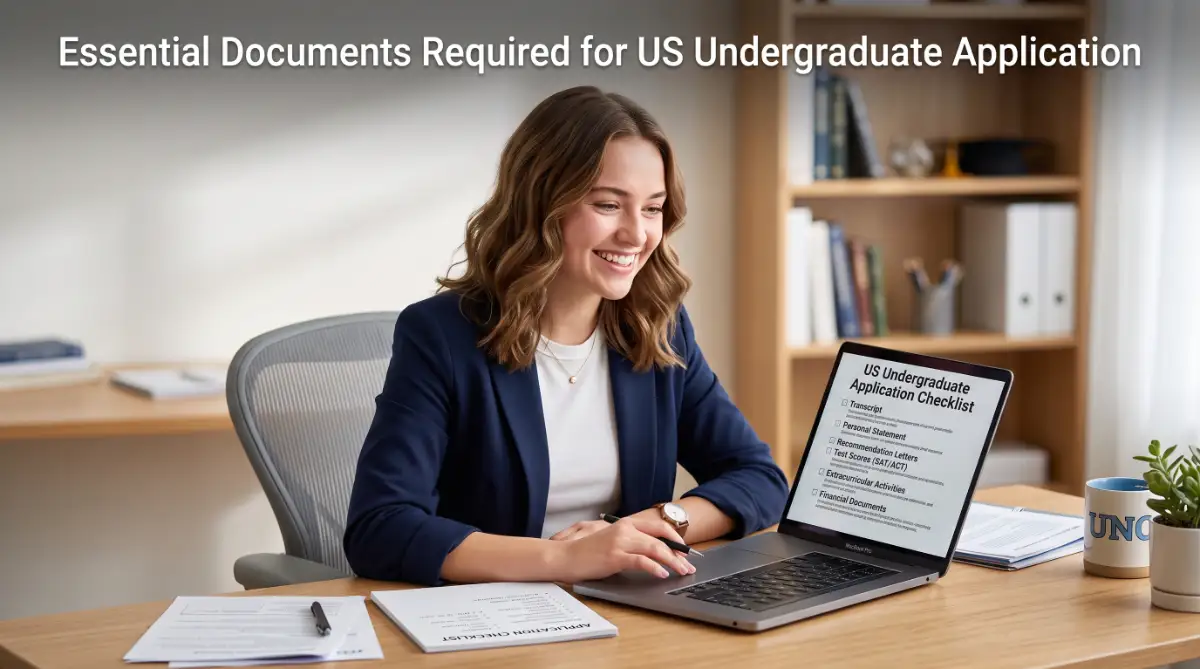
As your application deadline approaches, organization becomes your absolute best friend. Create a master spreadsheet to track every single document required by each university on your list.
Double-check that your full legal name matches identically across your passport, test scores, and high school transcripts. Submit your application at least forty-eight hours before the official deadline to avoid heavy web traffic crashing the portal at the last minute. Once everything is sent, celebrate this massive milestone, because you have tackled one of the most transformative projects of your young life.
Insider Strategies to Master Your Application Timeline
Managing a stack of university requirements feels a bit like conducting a symphony orchestra. Every single instrument, from your high school grades to your financial letters, needs to chime in at precisely the right second. If you treat your paperwork like a last-minute scramble, the harmony falls apart very quickly.
Build a digital command center using cloud storage folders to keep scanned copies of every document you own. Label your files with crystal-clear titles like "Official_Transcript_Grade_11_Math" instead of random numbers. When your recommenders or university admissions officers ask for extra proof, you can respond within minutes instead of hours of frantic searching. Consistency is your superpower during this intense season, so set aside thirty minutes every Sunday to update your master checklist.
Communication forms the bedrock of a smooth application journey. Do not wait until the week before a deadline to check if your school counselor uploaded your official grade reports. Send polite, friendly email check-ins to keep everyone aligned with your submission goals. Treat administrative staff with immense respect, because these are the exact people who often flag missing files and save your application from automatic rejection.
Digital Organization and Cloud Backups
Protecting your hard work from accidental loss is just as important as writing a brilliant personal essay. You should never rely on a single physical flash drive or one crowded email inbox to store your college application materials.
Store every scanned certificate and essay draft in a secure cloud drive with two-factor authentication enabled. Take clear, high-resolution photos of paper documents with your phone if your home scanner suddenly decides to stop working. Name your PDF files correctly so university admissions software can instantly read and categorize them without error. A disorganized file structure creates unnecessary stress when you need to send supplementary writing samples on short notice.
The Cost of Rushing: Avoiding Dangerous Application Pitfalls
Back when I was organizing my own paperwork, I made the terrible mistake of waiting until the final weekend to format my academic transcripts, which almost cost me my submission window. If I could go back in time, I would tell myself to treat digital organization with the same seriousness as writing the main essay. Trust me, setting up a simple cloud backup folder today saves you from endless headaches tomorrow.
Rushing through your document gathering phase is the fastest way to derail months of hard work. Many students wait until the final evening before the deadline, only to realize their bank statements are missing critical signatures.
Never ignore formatting guidelines regarding page limits and file size restrictions set by individual universities. If a portal asks for a PDF file, uploading a heavy image file might corrupt your submission entirely. Typos in your personal details can cause your test scores and transcripts to get lost in the university database. Taking shortcuts during the verification stage almost always leads to heartbreak when decision letters arrive in your inbox.
Staying Motivated When the Process Gets Heavy
It is completely normal to feel overwhelmed when every adult around you keeps asking about your university plans. Take a step back whenever your energy dips and remember why you chose this bold path across the ocean.
Break your daily tasks into tiny, manageable chunks instead of staring at the giant mountain of remaining paperwork. Celebrate small wins, like finally finishing your main essay draft or securing your teacher recommendation letters. Talk to friends who share your goals so you can encourage each other through the trickiest parts of the admissions season.
Mastering the Final Review Before You Hit Submit
The final hours before clicking the submit button can feel nerve-wracking. Your heart races a bit faster, and you find yourself reading the exact same sentence for the fifth time. This is completely normal when you care deeply about your future. Take a mandatory two-hour break away from your screen to clear your mind completely. When you return with fresh eyes, hidden typos and formatting errors will jump out at you immediately.
Reading your personal statement out loud is one of the most powerful tricks in the book. If you stumble over a sentence or run out of breath, your writing needs a quick trim. Keep your language natural and direct, ensuring that your authentic voice shines through every single paragraph. Admissions officers read thousands of essays, and they genuinely appreciate hearing a real human story instead of overly complex robotic phrasing.
Double-check that your legal name matches identically across your passport, your high school transcripts, and your online application portal. Even a minor spelling variation between your test score report and your application profile can trigger administrative delays. Verify every single attachment by downloading your submitted files from the applicant portal to ensure they opened correctly. Taking this extra five minutes prevents corrupted PDFs from ruining months of hard work.
Navigating Post-Submission Communication
Once your applications are safely submitted, a new phase of the journey begins. The waiting game can test your patience, but your job is not entirely finished just yet. Set up a dedicated email folder specifically for university communications so important messages never get lost in your spam box. Check this inbox at least once a day, as admissions teams occasionally request clarification on specific documents or coursework.
If a university places you on their waitlist, do not panic or assume the door is permanently closed. You can learn more about handling this transitional stage effectively by reading our detailed guide on navigating the US university waitlist process. Staying proactive and polite during the waitlist window demonstrates your genuine commitment to their academic community.
Financial aid administration also requires continuous attention long after your initial applications go out. You might need to review additional aid offers or update your financial records as new information becomes available. For a deeper understanding of how institutional funding works, take a moment to explore our helpful resource on understanding your FAFSA aid report without getting confused. Being financially literate protects you from unexpected surprises when tuition bills finally arrive in your student portal.
Remember that patience is your greatest virtue during the admission decision season. Every applicant faces moments of doubt, but your careful preparation sets you apart from the crowd. Trust in the thoroughness of your documentation and look forward to the exciting chapters waiting for you ahead.
Wrapping Up Your Admissions Journey
Looking back at the mountains of paperwork I once stressed over, I realize every single organized file and signed document was simply a stepping stone toward my dream. Whenever doubt creeps into your mind, just remember that every successful international student started right where you are sitting today. Close this browser tab, open your application portal, and take that fearless first step right now.
Your dream of studying at a US undergraduate college is entirely within your reach if you stay organized and calm. Every single document you gather brings you one step closer to walking across a vibrant American campus. Trust in your own preparation and take pride in the dedication you have shown throughout this journey. Open your laptop today, check off your very next task, and step boldly toward your bright future.

Disclaimer:
The information provided in this guide is for general informational and educational purposes only. Admissions requirements, policies, and deadlines for US undergraduate colleges can vary significantly between institutions. Readers are strongly advised to check the official admissions website of their target universities for the most accurate and up-to-date requirements. The author and publisher assume no responsibility or liability for any errors or admissions in the content provided.