
Free Legal Services in America: A Practical Guide to Finding Help
Imagine checking your mailbox on a rainy Tuesday afternoon. You find an official, white envelope with a court stamp on it.
I still remember the cold sweat that broke out on my neck when I received my first debt collection lawsuit. My bank account was completely empty, and I spent three sleepless nights staring at the ceiling, wondering how I could ever afford a defense attorney. It was during that dark time that I had to figure out how this system works for people with zero savings, and the resources I found saved my life.
Your stomach drops instantly. You realize a landlord, a creditor, or an ex-partner is taking you to court.
You look at your bank account and see only a double-digit balance. The stress feels heavy, like a physical weight pressing down on your chest.
This is the reality for millions of Americans every single year. You are forced to choose between paying for groceries or hiring a lawyer who charges hundreds of dollars per hour.
Without professional guidance, the legal system feels like a maze built in a foreign language. You might feel completely helpless, wondering if justice is only for those who can afford it.
The good news is that you do not have to walk this path alone. The American legal system has built-in safety nets designed to help people who cannot pay for representation.
Let us look at how you can access these resources and get the legal representation you deserve without spending a dime.
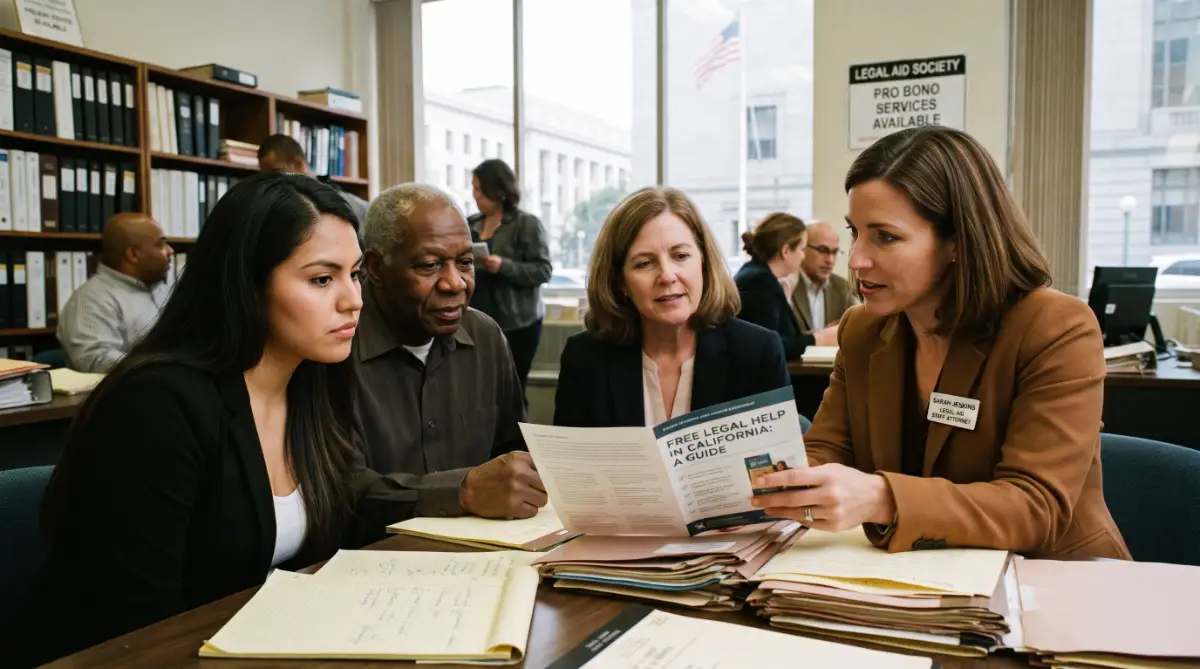
Your Practical Guide to Free Legal Assistance in America
Finding a free attorney might seem impossible when you are stressed. However, several organizations exist solely to help people in your exact situation.
Let us explore the most reliable ways to connect with these free legal professionals.
1. Legal Aid Societies: Non-Profit Legal Support
Legal aid societies are non-profit organizations located in almost every major city and county across the country. They receive funding from the government and private donations to provide free legal services to low-income individuals.
These organizations employ full-time lawyers who specialize in civil law matters. This means they can help you with everyday issues that do not involve criminal charges.
To qualify for legal aid, your household income must usually fall below a certain level. This level is typically based on the Federal Poverty Guidelines.
- Who they help: Tenants facing eviction, victims of domestic violence, and people denied government benefits.
- How to find them: You can search the database at LegalServicesCorporation (LSC) online to find an office near your zip code.
- What to expect: You will go through an intake process where they ask about your income and your legal issue.
If you qualify, they can assign a lawyer to represent you in court or give you advice on how to handle the case yourself.
2. Pro Bono Programs: Lawyers Giving Back
The term pro bono comes from a Latin phrase meaning "for the public good." Many private attorneys set aside a portion of their work hours to help clients for free.
The American Bar Association encourages all lawyers to provide at least fifty hours of pro bono services every year. These are the same highly paid lawyers who usually charge top dollar, but they work for you for free to give back to their communities.
To find these attorneys, you should contact your state or local bar association. They keep active directories of lawyers who are willing to take on pro bono cases.
When I first reached out to a local pro bono network, I made the mistake of calling without any written timeline of my dispute, which wasted half of our precious fifteen-minute call. I quickly learned that summarizing your legal issue on a single page makes busy attorneys much more eager to help you because it shows you respect their time.
3. Law School Legal Clinics: Working with Rising Stars
Are you living near a university with a law school? If so, you might have access to an excellent legal resource.
Most law schools run legal clinics to give their senior students real-world experience. These students handle actual cases under the direct supervision of experienced law professors.
- High Dedication: Because these students have small caseloads, they often dedicate a lot of time and energy to your case.
- Double Protection: Every step the student takes is reviewed by a licensed attorney who teaches at the university.
- Common Cases: They excel at handling divorce cases, landlord-tenant disputes, and small business legal setups.
You can visit the website of any local law school and search for their "clinics" page to see if they are currently accepting new clients.
Myth vs. Reality in Free Legal Aid
There are many misconceptions about free legal services that prevent people from seeking help. Let us clear up the facts.
Specialized Resources for Specific Groups
Sometimes, your background or specific life situation can open doors to specialized free legal help. Certain groups have dedicated legal networks ready to support them.
Help for Military Veterans and Active Duty Service Members
If you served in the military, you have access to specialized legal help. The Department of Veterans Affairs works closely with legal clinics to assist veterans with benefits, discharge upgrades, and civil disputes.
Additionally, active-duty service members can access help through their local Judge Advocate General (JAG) office.
Protection for Senior Citizens
Americans aged sixty and older can access free legal services through the Older Americans Act.
These services help seniors with issues like Medicare benefits, elder abuse, estate planning, and nursing home disputes. You do not always have to meet low-income requirements to qualify for these senior legal services.
Support for Victims of Domestic Violence
If you are facing a dangerous domestic situation, your safety is the top priority. Legal aid groups prioritize these cases immediately.
They can help you secure emergency protective orders, handle child custody issues, and guide you through the divorce process safely. You can reach out to local shelters or national hotlines to connect with these immediate legal advocates.
Simple Steps to Prepare for Your Legal Meeting
Before you make your first call, watch this quick and simple video guide to see exactly how to organize your documents so a free attorney will accept your case on the spot.
Once you find an organization or a pro bono attorney, you need to make the most of your time with them. Being organized shows respect and helps them evaluate your case quickly.
Gather Your Paperwork
Create a physical folder with every document related to your case. This includes:
- Court notices and any letters from the opposing side.
- Financial documents, such as tax returns or recent pay stubs, to prove your income eligibility.
- Evidence, including text messages, emails, photos, and receipts.
Write Down Your Story
Write a short, simple timeline of what happened. Keep it strictly to the facts.
For example, list dates of when you moved in, when you received notices, and when you made payments. This helps your attorney understand the situation without needing to dig through hours of conversation.
Prepare Your Questions
Write down your top three questions before your meeting. You might want to ask:
- What are my immediate deadlines?
- What is the likely outcome of my case?
- What do you need from me next?
Alternative Low-Cost Options
What happens if your income is slightly too high for free legal aid, but you still cannot afford a traditional attorney? You still have options that will not break your budget.
Sliding-Scale Legal Fees
Some attorneys offer services on a sliding scale. This means their hourly rate is based directly on your income level.
If you make less money, you pay a significantly lower rate.
Contingency Fee Agreements
For personal injury or accident cases, many lawyers work on a contingency fee basis.
- No Upfront Costs: You do not pay the lawyer anything to start working on your case.
- Shared Risk: The lawyer only gets paid if they win your case.
- Percentage Based: They will take a percentage of the final settlement.
Always make sure you understand the exact percentage they will take before signing any contract.
Unbundled Legal Services
Instead of hiring a lawyer to handle your entire case, you can hire them for unbundled services. This is also called limited scope representation.
You might pay an attorney to write a specific letter, review a contract, or prepare you for a court appearance. You handle the rest of the case yourself. This keeps your costs low while still giving you expert help where you need it most.
Securing Your Legal Rights
Facing a legal problem can feel incredibly lonely, but resources are available to help you protect your rights. Start by contacting your local legal aid society or reaching out to a law school clinic in your state.
Take a deep breath, organize your documents, and take the first step today. Safe, professional, and free legal help is closer than you think.
Looking back, taking that very first step to call a legal aid office was the hardest part of my journey, but it saved me from a massive financial mistake. You do not have to let fear keep you frozen—reach out to these free resources today and let a professional help you carry this heavy burden.
Mastering the System: Insider Strategies to Secure Free Legal Representation
Getting a free lawyer is not just about finding a phone number and making a call. Because the demand for free legal services is incredibly high, you need to know how to stand out from the crowd.
Many legal aid offices receive hundreds of inquiries every single day. To get their attention, you must approach them with a clear strategy and a prepared mind.
Treat Your First Intake Call Like a Job Interview
When you call a legal aid office, the first person you speak with will likely be an intake specialist. This person is the gatekeeper to your free attorney.
You need to make a great first impression during this brief phone call. Be polite, remain calm, and explain your situation without screaming or crying.
While your situation is stressful, losing your temper will only make the intake specialist less likely to prioritize your file. Keep your emotions in check and focus entirely on the facts of your case.
State your income clearly and explain exactly why you cannot afford a private lawyer. You can check the official Legal Services Corporation website to see if you meet their specific income requirements.
Present Your Case with Absolute Clarity
When you get the chance to explain your problem, do not tell a long, confusing story. Instead, focus on the core legal issue that needs immediate attention.
Learning how to present your facts clearly can make a massive difference. You can learn how to argue like a lawyer and win with 7 steps formula to structure your thoughts perfectly before your meeting.
Attorneys love structure and order. If you can present your legal issue in a logical way, they will see that you are easy to work with.
This makes them much more likely to accept your case over someone who is disorganized. Write down your main points on a sheet of paper before you dial the phone.
Partnering with Local Legal Aid Clinics
Many communities host free legal walk-in clinics on weekends or evenings. These events are often held at local libraries, community centers, or places of worship.
At these clinics, you can sit down with a volunteer attorney for fifteen to thirty minutes. Even if they cannot represent you in court, they can give you invaluable guidance on your next steps.
These brief meetings can sometimes lead to a lawyer offering to take your entire case pro bono. They might realize your case is highly winnable and decide to help you all the way through.
Working with Law Students
If you choose to work with a university law clinic, remember that you are dealing with students who are still learning. However, these students are highly motivated and have access to top-tier legal minds.
Remember that law students are eager to help, but they are also dealing with heavy academic pressures. Understanding what these students experience by reading about 10 things you need to know before law school can help you build a much better working relationship with them.
They will treat your case with the utmost care because their grades and future careers depend on their performance. Be patient with them, answer their emails quickly, and attend every scheduled meeting on time.
Communicating Your Need for Urgent Help
If you have a strict court deadline, you must highlight this fact immediately. Legal aid organizations categorize cases based on urgency.
An active eviction notice or a child custody hearing scheduled for next week is considered an emergency. If your situation is urgent, make sure to state the court date in your very first sentence.
The United States Department of Justice maintains an active directory of free legal service providers organized by state. Use this directory to find emergency contacts if your local legal aid office is taking too long to respond.
How to Keep Your Free Lawyer Happy Over Time
Once you secure a free attorney, your job is not finished. You must maintain a professional and helpful relationship with them throughout your legal journey.
- Always respond within twenty-four hours: If your lawyer calls or emails you, reply as fast as possible.
- Keep your contact information updated: If you change your phone number or email, let them know immediately.
- Be completely honest: Never hide secrets or lie about the facts of your case to your legal representative.
If you follow these basic rules, your free attorney will feel motivated to fight hard for you in the courtroom.

Hidden Pitfalls That Can Ruin Your Chances of Getting Free Legal Help
When people are desperate for legal assistance, they often make simple errors that destroy their chances of receiving aid. Understanding these common traps will help you keep your case on the right track.
Waiting Until the Very Last Minute
The absolute worst thing you can do is wait until the day before your court hearing to look for a free lawyer. Legal aid offices and pro bono programs require time to review your documents and verify your income.
If you call them with only twenty-four hours left, they will likely turn you away. They simply do not have the staff to handle last-minute emergencies that could have been avoided.
The moment you receive any legal paperwork, you must start searching for assistance. Give yourself and your potential attorney at least several weeks to prepare a strong defense.
Hiding Negative Facts from Your Legal Team
Some clients believe that if they hide the bad parts of their story, the lawyer will be more likely to help them. This is a highly dangerous mistake.
Your lawyer needs to know everything, especially the bad news. If the opposing side surprises your lawyer in court with a piece of negative evidence, your lawyer will not be prepared to defend you.
This can result in you losing your case instantly. Remember that your conversations with your attorney are completely confidential under the law.
They cannot share your secrets with anyone else, so tell them the whole truth from the very beginning.
Ignoring Your Lawyer's Staff and Support Team
Many clients make the mistake of only being polite to the actual attorney. They treat paralegals, legal assistants, and receptionists with disrespect or impatience.
This is a terrible mistake because these support staff members hold immense power in any law office. They manage the attorney’s schedule and decide which messages get answered first.
If you are rude to a paralegal, they will report this behavior directly to the lawyer. This can cause the attorney to drop your case entirely.
Believing You Are Entitled to a Free Civil Lawyer
In criminal cases, the United States Constitution guarantees you a free lawyer if you cannot afford one. However, this rule does not apply to civil cases.
If you are suing someone or being sued for money, custody, or housing, you do not have a constitutional right to a free attorney. You must actively search for help through non-profit networks.
Understanding this distinction will help you set realistic expectations. You will realize that you must work hard to secure and keep a pro bono attorney.
Your Action Plan for Tomorrow: Taking Control of Your Legal Journey
You do not have to let legal problems control your life or steal your peace of mind. By taking structured, organized action, you can find the professional help you need to face your challenges.
Here is your exact checklist to start your search tomorrow morning:
1. Organize Your Files
Gather every single piece of paper related to your legal issue. Put them in chronological order in a folder.
Make a digital backup by taking clean photos of each page with your smartphone. Store these files in a secure folder on your device.
2. Research Local Options
Search online for legal aid societies within your county. Write down their phone numbers, office hours, and intake rules.
Check the local law school website to see if they offer a legal clinic that matches your specific type of case.
3. Make Your Phone Calls
Wake up early and start making calls as soon as the offices open. Early callers often get their intake interviews processed much faster.
Keep a detailed log of everyone you speak with. Write down the date, time, the name of the person, and what they told you.
4. Stay Positive and Persistent
Finding free legal help takes time, energy, and patience. You might get rejected by the first few places you contact.
Do not let these rejections stop your search. Keep calling, keep visiting clinics, and keep explaining your situation clearly.
With persistence and the right preparation, you can secure the representation you need to protect your rights, your family, and your future. Take that first small step tomorrow, and regain control of your life.
Disclaimer:
This article is for educational and informational purposes only. It does not constitute formal legal advice. Please consult with a licensed attorney or a local legal aid organization in your specific state for advice regarding your individual legal situation.