
The True Cost of an Empty Rental: What Many Landlords Face
Imagine checking your bank account on the first of the month. Instead of seeing a direct deposit from your rental property, you see nothing. The property is empty.
I still remember the winter of 2018 when my three-bedroom rental sat empty for three straight months. Every morning, I woke up with a heavy knot in my stomach, knowing I had to pay a $1,400 mortgage out of my own pocket while receiving zero rent. I ended up working extra shifts just to cover the property taxes and utility bills, feeling completely exhausted. That stressful winter taught me the hard way that a vacant home is the quickest way to drain your savings and your peace of mind.
You still have to pay the mortgage, the property taxes, and the insurance. Every single day the home sits empty, you lose money.
Many property owners know this painful feeling. It is not just about the lost rent. The constant search for new tenants brings real stress.
You have to clean the unit, fix wear and tear, and pay for advertisements. You spend your weekends hosting open houses and answering endless messages. It feels like a second full-time job that drains your energy.
Many landlords feel stuck in this cycle. They find a tenant, watch them leave after a year, and start all over again. This constant turn is a quiet budget killer.
If you feel tired of the endless cycle of moving people in and out, you are not alone. There is a more peaceful way to manage your investment.
You can build a steady stream of income without the constant headache of vacancies. Let us explore how you can make your renters want to stay for the long term.
The Real Cost of Tenant Turnover: Myth vs Reality
Many landlords believe that raising the rent to the absolute maximum is the best way to make money. This is often a costly mistake.
In my early days as a landlord, I used to squeeze every last dollar out of my properties by raising the rent to the absolute market limit each year. I quickly learned my lesson when a fantastic, clean tenant moved out over a small $75 increase, leaving me with a two-month vacancy that cost me over $3,000 in lost income and repairs. Now, my rule of thumb is to keep rent about 3% to 5% below market rate for reliable renters because a steady, on-time payment is worth far more than a risky extra fifty dollars.
Let us look at the actual numbers to see why keeping a good tenant is almost always better than finding a new one.
As you can see, a single vacancy can easily cost you thousands of dollars.
Even if you get a slightly higher rent from a new tenant, it can take you a year or more just to break even on the vacancy costs.
Start with Smart Tenant Screening
The secret to a long-term tenancy starts before anyone ever signs a lease. You must screen applicants carefully.
Many landlords rush this step because they want to fill an empty unit fast. Rushing often leads to major problems down the road.
Look for people who have a history of staying in one place. Ask for references from their previous two landlords.
A landlord from two years ago will usually give you a more honest review than a current landlord who might just want the tenant to leave. Always check their rental history carefully.
Verify that their monthly income is at least three times the monthly rent. This simple rule helps ensure they can comfortably afford the home.
Keep Up with Repairs Before They Become Problems
Nobody wants to live in a house where things do not work. Slow maintenance is the number one reason good tenants leave.
If a tenant reports a dripping faucet, do not wait weeks to fix it. Fix it within twenty-four to forty-eight hours.
When you make repairs quickly, you send a clear message to your renter. You show them that you care about their comfort and respect their time.
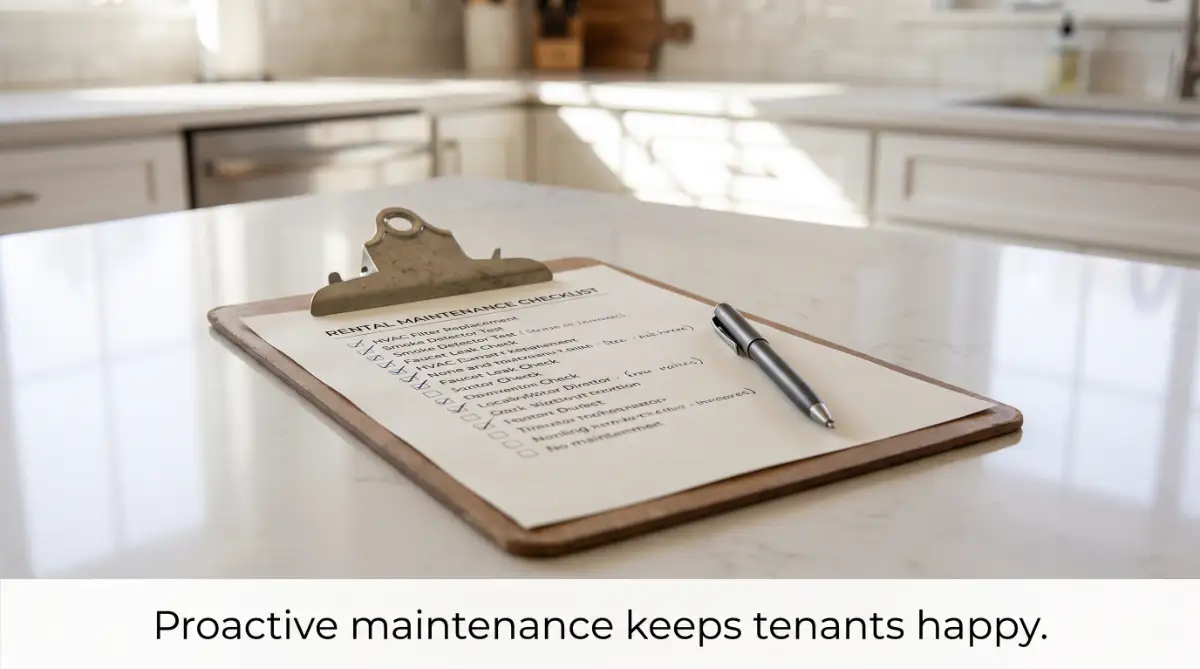
Do not wait for things to break before you take action. Perform seasonal checkups on major systems like heating and cooling.
Clean the gutters every autumn to prevent water damage. Check under the sinks for small leaks once a year.
These small actions save you from expensive emergency repairs later. They also prove to your tenants that you keep the property in excellent shape.
Communicate Like a Professional Partner
You do not need to be best friends with your tenants. However, you must be polite, professional, and easy to reach.
Always answer phone calls, text messages, or emails within a reasonable timeframe. A simple confirmation text goes a long way.
If a repair is going to take a few days, let them know immediately. Keep them in the loop so they do not feel ignored.
Always respect their privacy. Never show up at the property without giving at least twenty-four hours of notice.
When you treat your tenants with respect, they are much more likely to treat your property with respect. They will also feel much more comfortable renewing their lease.
Offer Small Incentives During Lease Renewal Time
When a lease is about to end, do not just send a generic letter demanding more money. Reach out ninety days before the lease expires.
Ask them if they have any concerns or if there is anything in the home that needs attention. Show them that you value their presence.
If you must raise the rent to keep up with inflation, keep the increase reasonable. Offer a small upgrade to sweeten the deal.
- Offer to have the carpets professionally cleaned.
- Install a new ceiling fan or modern light fixtures.
- Offer a fresh coat of paint in the living room.
- Provide a smart thermostat to help them save on energy bills.
These small upgrades cost you very little. However, they make the tenant feel like they are getting extra value for their money.
Create a Sense of Home
People do not like moving. Moving is expensive, tiring, and stressful.
If your tenants feel like your rental property is truly their home, they will not want to leave. Give them some freedom to personalize the space.
Allow them to hang pictures on the walls using standard hangers. Let them plant flowers in the garden if they enjoy gardening.
Consider allowing pets if your property can handle it. Pet owners are historically some of the longest-lasting tenants because finding pet-friendly housing is incredibly difficult.
You can charge a reasonable monthly pet fee or a pet deposit to protect your property. This small change can keep your unit occupied for years.
Keep Your Focus on Long-Term Value
Owning rental property is a long-distance race, not a short sprint. The most successful investors focus on steady, predictable cash flow.
By keeping your current tenants happy, you protect your investment from the damage of constant move-outs. You save your time, your money, and your peace of mind.
Start using these simple habits today. You will quickly see how a small amount of care can lead to a much stronger bottom line.
Master-Level Methods for Keeping Your Best Tenants
Managing rental properties successfully is about more than just fixing broken pipes. It requires a systematic approach to human relationships and business operations.
Once you have the basics of clean housing and clear communication down, you can use advanced systems. These strategies help you secure your rental income for years to come.
The Art of Strategic Lease Timing
Many property owners do not think about when their leases end. This is a massive oversight that can cost you thousands of dollars.
If a lease ends in December or January, you will struggle to find a replacement. Most people do not want to move during the cold winter months or holiday seasons.
Because of this, your property might sit empty for weeks. To prevent this, always aim to have your leases end during the late spring or summer.
May, June, and July are the peak moving months for families and young professionals. If a tenant decides to leave, you can quickly find a replacement at a premium rate.
If you sign a new tenant in the winter, do not use a standard twelve-month agreement. Instead, write an eighteen-month lease that expires in the summer.
This simple adjustment aligns your rental cycle with the highest market demand. It reduces the time your property stays empty.
Building a Long-Term Resident Reward Program
We often reward new customers in business while ignoring our loyal ones. In real estate investing, this approach is backward and highly expensive.
Consider creating a simple reward system for tenants who pay rent on time and take care of the home. You do not need to spend a lot of money to make a big impact.
For example, after a tenant completes their first year, offer them a choice of property upgrades. You could offer to install a smart lock on the front door.
You could also offer to upgrade their kitchen faucet or put in a new bathroom mirror. These improvements cost you very little, but they add permanent value to your asset.
Your tenant gets a nicer place to live, and they see that you value their loyalty. They will think twice before leaving a landlord who treats them so well.
The Goodwill Bank Account Analogy
Think of your relationship with your tenant like a real bank account. Every time you make a fast repair, you deposit goodwill.
Every time you send a polite message or check in after a storm, you deposit more goodwill. However, every time you delay a repair or ignore a text, you make a withdrawal.
If you keep your goodwill balance high, the tenant will overlook minor issues. They will gladly accept a reasonable rent increase because they trust you.
If your goodwill account is empty, any minor issue will make them want to move. Keep your balance high by being proactive and kind.
Optimize Your Own Cash Flow to Reduce Rent Pressure
Sometimes, landlords raise the rent too fast because their own bills are too high. If your mortgage payment is stretching your budget, you might feel forced to charge your tenants more.
Before you raise the rent and risk losing a good tenant, look at your own expenses. There are smart ways to lower your monthly property costs.
For example, you can research smart ways to lower your mortgage payment to see if you can refinance or adjust your loans. Lowering your monthly mortgage bill gives you more flexibility.
It means you do not have to raise your tenant's rent to keep up with your own bills. This protects your tenant relationship while keeping your profits steady.
Offering Long-Term Lease Options
Many tenants crave stability just as much as landlords do. They do not want the worry of a sudden rent hike every single year.
You can offer them a two-year or three-year lease with a locked-in rate. This gives the tenant total peace of mind about their future living costs.
In return, you secure a guaranteed stream of income for several years. You completely eliminate the risk of vacancy during that period.
Even if you could get slightly more rent by signing a new lease every year, the safety of a multi-year tenant is highly valuable. Consistency is always better than chasing risky extra dollars.
Q&A: Handling Modern Tenant Challenges
Q: What should I do if a great tenant asks to paint a room a different color?
A: You should almost always say yes, but with a clear written agreement. Ask them to choose from a list of approved neutral colors.
You can also state in writing that they must paint it back to the original color before they move out. This keeps them happy without damaging your property value.
Q: How do I handle a situation where a tenant pays late for the first time?
A: Treat them with grace and understanding. Reach out calmly to ask if everything is okay.
If they have been great for a year, waive the late fee as a one-time gesture of goodwill. This small act of kindness builds immense loyalty.

Blind Spots That Quietly Sabotage Your Rental Profits
Many landlords make mistakes without even realizing they are hurting their business. These errors drive away good tenants and drain your bank account.
Treating Renters Like Transactions Instead of Partners
The biggest mistake you can make is treating your tenants like a monthly check. If you only contact them when rent is late, they will feel unappreciated.
They will view you as a distant corporation rather than a helpful property owner. This lack of connection makes it very easy for them to pack up and leave.
Take the time to treat them like human beings. Send a short, polite message during extreme weather to make sure the property is safe and comfortable.
This simple check-in takes thirty seconds, but it proves you care about their safety. It builds a human connection that protects your investment.
Ignoring the Dangers of Deferred Maintenance
Some landlords try to save money by putting off minor repairs. They think a small roof leak or a cracked window can wait a few months.
This is a dangerous path that leads to major property damage. A small leak can turn into toxic mold, destroying your walls and your tenant’s health.
According to rental housing research from academic institutions, physical property quality is directly tied to tenant lease lengths. When a home starts falling apart, good tenants leave immediately.
You are then left with a damaged home that you must repair anyway before you can rent it again. You lose rent money and pay double for the repairs.
Making Aggressive, Unrealistic Rent Increases
It is natural to want to earn more money from your investment. However, raising the rent to the absolute limit of the market is highly risky.
If you raise the rent by two hundred dollars, your tenant might decide to move to a cheaper place down the road. You might then spend two months looking for a new tenant.
During those two empty months, you lose thousands of dollars in rent. You also have to pay for cleaning, painting, and marketing.
It is often much smarter to keep the rent slightly below the market rate for an excellent tenant. This small discount is like an insurance policy against vacancy.
Overlooking Your Property Insurance and Loan Details
Many property owners forget to audit their own real estate loans and insurance policies. This can lead to hidden costs that eat your profits.
For example, if you bought your property with a low down payment, you might be paying extra fees every month. Understanding these details is key to saving money.
You can check out this guide on understanding private mortgage insurance explained to see how you can remove these extra monthly costs. Removing these fees increases your overall profit margin.
When your overhead costs are low, you do not have to pressure your tenants with aggressive rent increases. Your business becomes much more stable.
Violating Privacy Boundaries
Your tenant has a legal right to quiet enjoyment of the home they rent from you. Some landlords walk onto the property whenever they want to check on things.
This is a major violation of privacy that makes tenants feel unsafe. It can even break local landlord-tenant laws.
Always give proper written notice before visiting, even if you are just looking at the yard. Respect their space, and they will respect your property.
Your Action Plan for Consistent Rental Success
You now have a complete set of tools to reduce vacancies and keep your rental income steady. Do not let this information just sit on your screen.
Take action starting today to secure your rental properties. The steps you take now will pay off for years to come.
The 4-Step Landlord Action Plan
- Review your current lease expiration dates today. If any leases end in the dead of winter, plan to offer your tenants a short-term or long-term extension to move the end date to the summer.
- Inspect your properties before the seasons change. Walk through the home with your tenant to check for small leaks, clogged gutters, or drafty windows. Fix them before they cause trouble.
- Audit your monthly property bills. Look for ways to lower your mortgage payments or remove private mortgage insurance to give your budget more breathing room.
- Send a simple appreciation message. If you have a tenant who pays on time, send them a quick message to thank them for being great. Let them know you are always there if they need anything.
Final Thoughts on Building Lasting Wealth
Real estate investing is one of the best ways to build long-term wealth. However, the real secret to success is not buying more properties.
The secret is managing the properties you already own with care and intelligence. When you focus on keeping your tenants happy, your profits will naturally follow.
Your rental property should be a tool that supports your life and family, not a source of constant daily worry. By shifting your focus from chasing the highest possible rent to building real, respectful partnerships with your tenants, you can secure your financial future. Pick just one simple step from the action plan above and try it out today—your bank account and your sanity will thank you for it.
You will spend less time dealing with empty houses and more time enjoying your passive income. Start building these habits today, and watch your rental business thrive.
The information provided in this article is for educational purposes only and does not constitute professional financial, legal, or investment advice. Always consult with a licensed real estate professional, financial advisor, or attorney before making any major investment decisions or changing your lease agreements.