The Beautiful Dream That Quickly Becomes a Heavy Financial Burden
Imagine walking through a quiet, tree-lined street and falling in love with a gorgeous nineteenth-century home. The grand porch, the hand-carved wooden doors, and the ancient stained glass windows look like a dream.
You think to yourself that buying this historic property is a wonderful idea. You imagine restoring its old beauty, saving a piece of history, and making a great profit.
Then, the reality of ownership sets in.
Within a few months, you find out that the old roof needs to be replaced entirely. But when you hire a standard roofing contractor, you get a shocking surprise.
The local historic commission steps in and stops your work. They tell you that you cannot use modern, affordable materials on this house.
You must use hand-cut slate tiles from a specific quarry to match the original style. A job that should have cost ten thousand dollars now costs forty thousand dollars.
This is the exact moment when the romantic dream of investing in historic preservation properties turns into a source of constant stress. Your bank account begins to drain, and your nights are filled with worry.
Years ago, I fell deeply in love with a drafty Victorian home and bought it on a whim, thinking I could easily restore its old charm. I ended up draining my savings account within six months just to fix a decaying foundation that my standard inspector completely missed. It was a stressful, eye-opening nightmare that taught me how quickly a historic dream house can turn into a serious financial trap.
Many investors face this exact struggle because they do not know the strict rules. The emotional toll of watching your hard-earned money disappear into endless repairs can be incredibly painful.
Fortunately, you do not have to go through this blind. By learning about these hidden risks early, you can protect your peace of mind and your wallet.
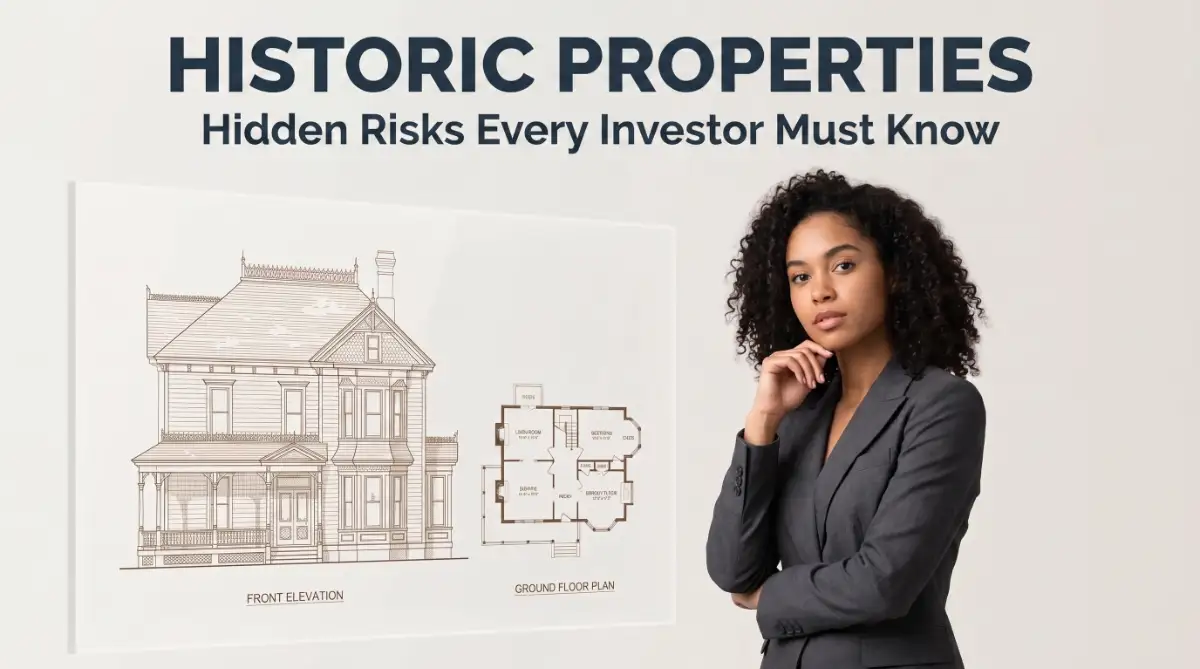
The Invisible Gatekeepers: Navigating Local Historical Commissions
When you buy a historic preservation property, you do not fully own your design choices. You must answer to a local historic preservation board or commission.
These boards exist to protect the historic look of the neighborhood. While this keeps the area beautiful, it also means you cannot make simple changes without their written approval.
If you want to paint the exterior a new color, you have to choose from an approved historic color list. If you want to replace drafty single-pane windows, you cannot just buy cheap vinyl windows from a local hardware store.
You must buy custom wooden windows that match the exact pattern of the original ones. These custom parts can cost five times more than modern alternatives.
Working with these boards requires patience and time. The approval process can take several weeks or even months.
During this waiting period, you are still paying the mortgage, taxes, and insurance on an empty house. These carrying costs can quickly eat up your planned investment budget...
Physical Traps: Structural and Material Surprises
Old buildings are full of physical mysteries that modern home inspections can easily miss. Many historic properties were built before modern construction codes existed.
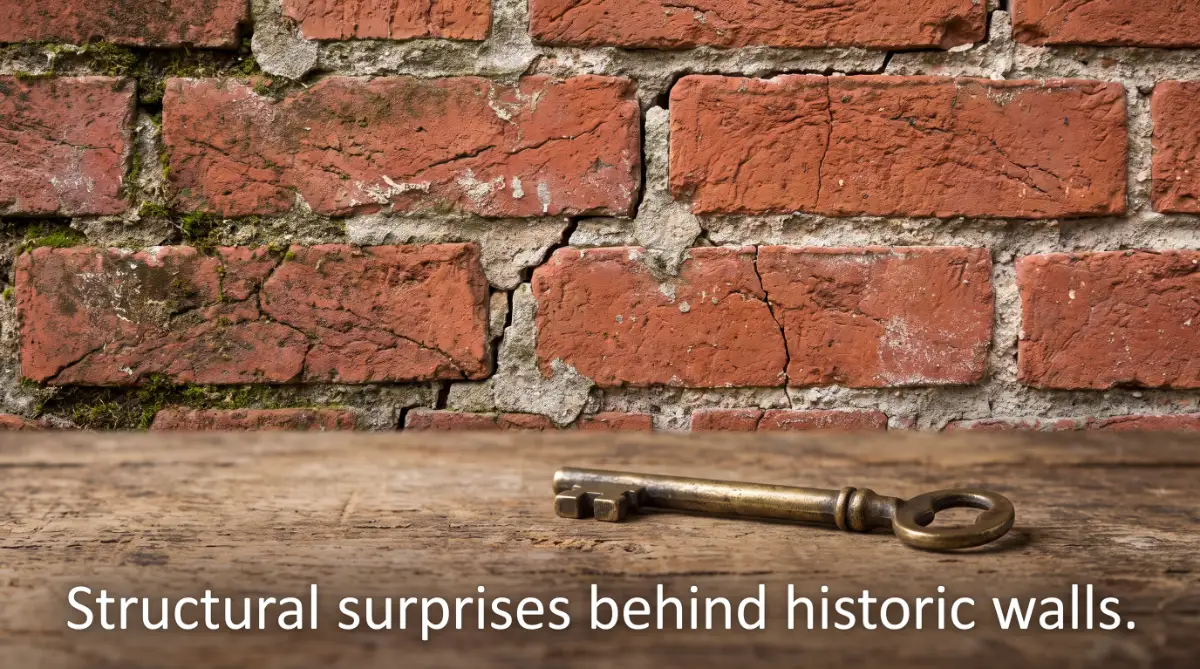
Over decades, foundations shift, wooden beams rot, and brick mortar begins to crumble. What looks like a straight wall from the outside might actually be bowing inward.
Another major issue is the presence of hazardous materials. Lead paint and asbestos insulation were very common in older construction.
Removing these materials requires certified experts who charge premium rates. You cannot simply scrape lead paint off yourself without violating strict environmental safety laws.
Antique electrical wiring is another common issue. Many historic homes still have active knob-and-tube wiring hidden behind plaster walls.
Most modern insurance companies will not write a policy for a home with this type of wiring. You will have to tear open the historic plaster walls to install modern copper wiring, which adds massive labor costs.
The Insurance and Financing Struggle
Getting a mortgage for a historic home is not always simple. Standard lenders look at the property value and compare it to similar homes in the area.
If the home needs extensive repairs, a traditional bank might refuse to fund the loan. They worry that the cost of renovation will exceed the final value of the house.
Insurance is another major obstacle for historic property investors. Standard homeowners insurance policies do not cover the true cost of rebuilding a historic home.
If a fire damages a historic house, the local commission will require you to rebuild it using original methods. Recreating plaster walls and hand-carved molding is incredibly expensive.
To cover this, you need a specialized guaranteed replacement cost policy. These policies have much higher monthly premiums than standard insurance.
Without the right policy, you could face massive out-of-pocket costs if a disaster occurs. This is a risk that many new investors completely overlook.
Myth vs. Reality in Historic Real Estate
There are many misconceptions about buying older homes. Let us look at some of the most common myths.
- Myth: Historic tax credits will pay for all my renovation costs.
- Reality: Tax credits are highly competitive and require you to follow very strict guidelines. You often receive the benefit only after the work is completed and approved.
- Myth: If I renovate the inside, the historic commission will not care.
- Reality: While exterior rules are stricter, some historic districts also protect interior features like original staircases and fireplaces.
- Myth: Historic homes are built better, so they last longer.
- Reality: While the old-growth wood used in these homes is strong, the plumbing, electrical, and structural design can fail over time.
A Practical Guide to Evaluating an Old Property
Before you sign any purchase contract, you must do deep research. Do not rely on a standard home inspector who mostly looks at modern homes.
Instead, hire a specialist inspector who has years of experience with historic buildings. They know exactly where to look for hidden rot, foundation movement, and outdated wiring...
Call the local planning office immediately. Ask them if the property sits inside a designated historic district.
Get a copy of the specific design guidelines for that district. Read through the rules carefully to see what materials are allowed for exterior repairs.
Next, contact local contractors who specialize in historic restoration. Ask them for rough estimates on common historic repairs, such as restoring wood windows or tuckpointing old brick.
Compare these estimates to your budget. If the numbers do not work, it is better to walk away from the deal before you lose your savings.
Managing Your Renovation Budget Wisely
When you renovate a modern home, a ten percent contingency fund is usually enough. For historic properties, you need a much larger safety net.
Always set aside a thirty percent cushion in your budget. If you think the repairs will cost fifty thousand dollars, prepare yourself to spend sixty-five thousand.
Early in my investing journey, I made the mistake of keeping only a tiny ten percent safety net, and a sudden plaster wall collapse almost bankrupted my entire project. Now, I never start physical work without a solid thirty percent cash buffer sitting in a separate bank account. Having that extra financial cushion is the only way to sleep peacefully at night when working on older buildings.
This safety net will protect you when you inevitably find hidden issues behind the plaster walls. It keeps the project moving forward without forcing you into high-interest loans.
Try to prioritize structural repairs before cosmetic ones. A beautiful new kitchen does not matter if the foundation is slowly sinking into the ground.
Focus on keeping the building dry and stable. Fix roof leaks, repair gutters, and seal foundation cracks first.
Once the structure is safe, you can focus on interior updates that make the home comfortable. This logical order of work will save you money and protect the historic structure.
The True Value of Historic Preservation
Despite the many challenges, investing in historic homes can be highly rewarding. These properties have a unique character, history, and beauty that modern suburban homes cannot replicate.
Many buyers are willing to pay a premium to live in a beautifully restored historic home. If you manage the risks carefully, you can make a good profit while protecting community history.
The key is to approach the investment with clear eyes and realistic numbers. Do not let romantic feelings cloud your financial judgment.
By doing your research, hiring the right experts, and planning for unexpected costs, you can navigate these hidden risks. This careful approach helps you build a successful real estate portfolio while keeping historical architecture alive for future generations.
Strategic Methods to Master Historic Real Estate Investments
Investing in historic preservation properties requires a unique set of skills that goes far beyond standard real estate tactics. To succeed over the long term, you must understand how to work with the natural materials used in older structures.
One of the most important secrets is learning the science of lime mortar. Many historic brick buildings were put together using lime-based mortar, which is softer and more flexible than modern Portland cement.
If a contractor uses modern cement to repair an old brick wall, the harder cement will trap moisture inside the softer historic bricks. When the temperature drops, this trapped water freezes and expands, causing the faces of your historic bricks to pop off and crumble.
To prevent this costly damage, always hire masonry experts who understand historical materials and know how to perform traditional tuckpointing. Keeping the structural shell of your building dry and breathable is the single best way to protect your investment over the next few decades.
Another highly effective strategy involves using historic preservation easements to protect your capital. An easement is a legal agreement that permanently protects the historic character of a building.
By donating an easement to a certified preservation organization, you might qualify for a major federal income tax deduction. This deduction can help offset the high initial cost of restoring the property, making your overall investment much safer.
You can study the specific rules for these property adjustments directly through the National Park Service Historic Preservation Standards, which provides the framework for all certified historical rehabilitations.
Before you buy, take a look at this helpful visual guide showing the common hidden defects found in historic homes. Watching these real-world examples will make it much easier to spot expensive red flags as you read through the rest of our guide below.
When it comes to financing these complex projects, standard bank loans are not always your best option. You should look into specialized renovation loans that combine the purchase price and construction costs into a single mortgage.
If you find yourself using a conventional loan with a low down payment, you might need to find smart ways to lower your mortgage payment so that you can keep more cash flow available for ongoing maintenance. Reducing your monthly overhead allows you to handle unexpected repair bills without putting your project on hold.
Long-Term Maintenance: The Historic Property Owner's Playbook
A common question that new historic investors ask is how to keep maintenance costs from spiraling out of control after the initial restoration is complete. The answer lies in creating a highly structured seasonal checklist that focuses on water management.
Water is the ultimate enemy of any wooden or brick structure built over a century ago. You must inspect your roof, gutters, and downspouts at least twice every year to ensure water is flowing far away from the foundation.
If you allow gutters to remain clogged, water will overflow and run down the exterior siding. Over time, this constant moisture will rot the historic timber framing and create a perfect breeding ground for destructive termites.
It is also wise to build a strong working relationship with your local historic preservation officer before you actually need their help. Invite them to visit the property early in the process and share your long-term maintenance plans with them.
When the local officials see that you respect the history of the building, they are much more likely to guide you through the permit process quickly. This mutual respect can save you months of costly delays when you need to make urgent repairs.
The Do's and Don'ts of Historic Property Care
To keep your project running smoothly, keep these basic guidelines in mind as you plan your daily construction activities.
- Do preserve original materials like heart pine flooring and old-growth wood siding whenever possible, as they are far more durable than modern lumber.
- Don't use sandblasting or harsh chemicals to clean old brick, because this permanently destroys the protective outer glaze of the masonry.
- Do search for local architectural salvage yards to find matching vintage hardware, doors, and light fixtures at a fraction of the cost of custom replicas.
- Don't install modern central heating and air conditioning systems without checking how the ductwork will impact the historic plaster ceilings.
Fatal Mistakes That Ruin Historic Property Portfolios
One of the most painful errors a real estate investor can make is buying an old home assuming they can easily bypass local historic guidelines. Some investors think that because they own the deed, they can make any changes they want behind closed doors.
This assumption is a dangerous trap that can lead to massive fines and lawsuits. Local historic commissions have the legal authority to halt your construction project immediately if they spot unauthorized work.
Imagine spending twenty thousand dollars on modern vinyl windows, only to receive an official order forcing you to rip them out. You will not only lose the money spent on those windows, but you will also have to pay for expensive custom wood replacements.
This type of setback can destroy your profit margins and cause immense emotional exhaustion. The stress of fighting a legal battle with your local city hall is simply not worth the risk.
Another serious mistake is using standard financing options without understanding how property valuations work for older buildings. If you are using a loan that requires a small down payment, you might find yourself stuck with high monthly costs.
For instance, understanding private mortgage insurance is highly important if your down payment is under twenty percent. This extra monthly insurance cost, combined with high historic maintenance fees, can quickly turn your positive cash flow into a negative monthly drain.
Many investors also make the mistake of hiring cheap, general contractors who have no experience with historical renovation. They do this to save a few dollars upfront, but the long-term results are almost always disastrous.
A general contractor might look at a historic drafty window and suggest replacing it completely. An expert, however, knows that adding a simple interior storm window can block drafts just as well while preserving the historic glass.
Hiring the wrong team often means you pay twice for the same job. You pay once for the cheap contractor to do the work incorrectly, and then you pay an expert to tear it down and do it right.
To gain a broader perspective on how historic districts protect their local assets, you can review resources provided by the National Trust for Historic Preservation. This organization highlights the immense economic and social value that proper restoration brings to communities when done correctly.
Your Path Forward as a Safe and Successful Historic Investor
Investing in historic homes is a journey that combines a love for classical architecture with the realities of modern financial planning. While the risks are very real, they are not impossible to manage.
With the right education, a dedicated team of experts, and a healthy financial safety net, you can successfully navigate the complexities of historic preservation. You have the unique opportunity to save a piece of the past while building solid wealth for your future.
The key is to always move forward with patience and deep preparation. Do not rush into a purchase simply because you love the style of the porch or the history of the family who lived there.
Treat every historic property with the care and scientific analysis it deserves. By doing so, you protect your capital, respect the community, and set yourself up for a highly satisfying investment journey.
Now is the perfect time to start building your network of local historic experts. Reach out to your local preservation society, attend a public commission meeting, and start learning the specific rules of your target neighborhood today.
While restoring these properties is hard work, seeing a beautiful piece of history stand strong because of your effort is an incredibly proud moment. Do not let fear hold you back; instead, take your first safe step this week by calling your local planning office to ask questions. With the right preparation, you can protect your wallet and successfully bring a beautiful old home back to life.
Disclaimer
The information provided in this article is for educational and informational purposes only. Real estate investing involves substantial risk, especially when dealing with historic preservation guidelines, building codes, and specialized financing. You should always consult with a licensed real estate professional, an experienced financial advisor, and local municipal authorities before making any investment decisions.