
The Quiet, Heavy Struggle of an Unhappy Stomach
You wake up feeling heavy before your day even starts. That familiar, uncomfortable bloating is back again, making your favorite pair of jeans feel far too tight.
You try to drink extra water and hope the sluggishness goes away. But by lunchtime, your stomach feels like a tight balloon, leaving you irritable and tired.
For years, I dreaded my mornings. I would wake up, look at my closet, and feel an instant wave of anxiety just trying to pick out pants that would not squeeze my bloated stomach by lunchtime. I tried every expensive tea and wellness trend out there, but nothing seemed to quiet the constant, heavy struggle in my gut until I changed my basic approach to food.
Many of us quietly live with this kind of digestive discomfort every single week. We shrug it off as normal stress or blame a single bad meal.
In reality, your body might simply be screaming for one basic, missing ingredient.
I know how exhausting it is to constantly worry about how your stomach will react to food. It affects your mood, your energy levels, and even your focus at work.
You do not have to accept this heavy, unpredictable feeling as your permanent daily reality. A simple shift in how you view your daily plate can bring back the light, comfortable energy you miss.
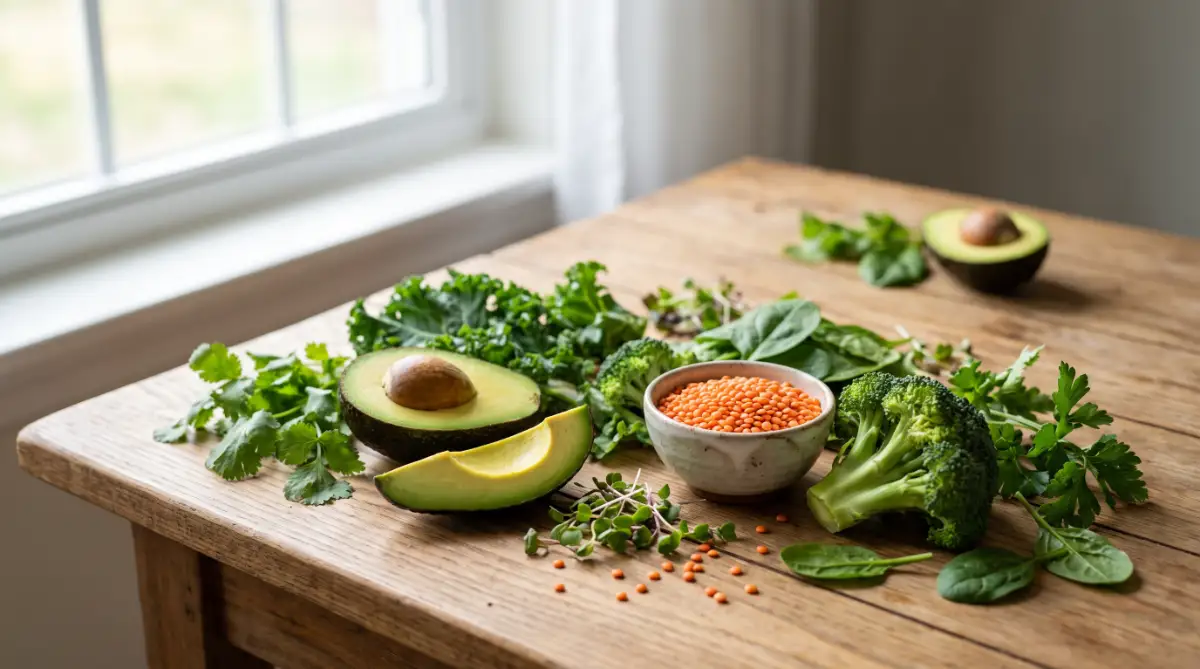
Understanding Your Gut: How Fiber Works Behind the Scenes
Most people think of fiber as just a simple tool to keep things moving. While that is true, this simple plant nutrient does so much more for your inner system.
Dietary fiber is the part of plant foods that your body cannot digest or absorb. Unlike fats, proteins, or carbohydrates, it passes through your stomach relatively intact.
As it travels through your digestive tract, it performs several different jobs depending on its type. To truly help your gut, we need to look at the two main players.
Soluble vs. Insoluble Fiber: The Dynamic Duo
Want a quick, simple breakdown of how these two fibers actually work inside your stomach? Watch this short, helpful video to see the visual difference before diving into the food sources below.
We can divide dietary fiber into two main categories, and both are highly important. Let us break down what they do and where you can find them.
Fiber Type Main Function in the Gut Common Food Sources Soluble Fiber Dissolves in water to form a gel; slows digestion and helps manage blood sugar. Oats, chia seeds, beans, apples, and blueberries. Insoluble Fiber Adds bulk to the stool and helps food pass more quickly through the intestines. Whole wheat flour, nuts, green beans, and potatoes.
Soluble fiber acts like a sponge in your digestive system. It absorbs water and turns into a soft gel, which slows down your digestion slightly.
This slow process is actually a good thing. It helps your body absorb nutrients better and keeps your blood sugar from spiking quickly after eating.
Insoluble fiber, on the other hand, does not dissolve in water at all. It acts more like a natural broom, sweeping through your digestive tract to keep things moving consistently.
If you often deal with a slow, sluggish gut, this is the type of fiber that helps keep you regular.
Step-by-Step Guide: How to Upgrade Your Fiber Intake Safely
Adding more fiber to your diet is simple, but doing it too quickly can backfire. If you go from eating very little fiber to a massive amount overnight, you will likely feel bloated.
We want to avoid that discomfort entirely. Here is a step-by-step path to help your body adapt naturally.
Step 1: Start with a Single Morning Change
Do not try to overhaul all your meals at the same time. Instead, focus entirely on your breakfast for the first week.
If you usually eat white bread or sugary cereal, swap them for a bowl of rolled oats. Oatmeal is packed with soluble fiber that keeps you full and happy until lunch.
If you prefer toast, make sure the label says 100% whole grain instead of enriched white flour. These small decisions build a strong foundation without overwhelming your system.
Step 2: Swap Your Snacks for Whole Fruits
Many processed snacks like chips and crackers offer almost zero fiber. When you feel hungry between meals, reach for a piece of whole fruit instead.
Apples, pears, and berries are incredibly rich in natural fiber and vitamins. Keep the skin on fruits like apples and pears, as that is where most of the fiber lives.
Myth: Drinking fruit juice is just as good for your digestion as eating whole fruit.
Reality: Juicing removes almost all the beneficial fiber, leaving you with mostly liquid sugar. Always choose the whole fruit to get the digestive benefits.
Step 3: Introduce Legumes to Your Plates Slowly
Beans, lentils, and chickpeas are some of the most powerful fiber sources on the planet. However, they also have a reputation for causing gas if your body is not used to them.
Start by adding just two tablespoons of black beans or lentils to your salad or soup. Let your digestive system get used to this new food for a few days.
Once your stomach feels comfortable, you can slowly increase the portion size. Your gut bacteria will thank you for the slow and steady introduction.
Step 4: Double Your Daily Water Intake
This is the most critical step that many people completely forget. Since fiber absorbs water to do its job, you must drink more fluids as you eat more fiber.
If you increase your fiber without drinking enough water, you might end up more constipated than before. Keep a water bottle near you throughout the day and take regular sips.
A good rule of thumb is to drink a full glass of water with every high-fiber meal you consume. This keeps the fiber soft and allows it to move smoothly through your system.
The Surprising Daily Rewards of a Fiber-Rich Diet
When you make these simple dietary changes, you will start to notice shifts in your health. Some of these benefits happen quickly, while others protect you over time.
Consistent and Easy Digestion
The most immediate benefit is the end of the daily guessing game with your stomach. You will likely notice that your bathroom visits become regular and completely painless.
No more feeling heavy, bloated, or uncomfortable after eating a normal meal. You can go about your day with a light, comfortable feeling in your midsection.
Natural Weight Management and Fullness
Fiber takes up space in your stomach and digests slowly, which helps you feel full for a longer time. This means you will naturally experience fewer sudden cravings for sugary snacks in the afternoon.
When you feel satisfied after your meals, managing your weight becomes a peaceful, stress-free process. You do not have to starve yourself to feel comfortable in your body.
Friendly Support for Your Gut Microbiome
Your gut is home to trillions of tiny, helpful bacteria that influence your mood and immune system. These good bacteria feed on the fiber that your stomach cannot digest.
By eating more fiber, you are directly feeding your gut allies. A happy microbiome leads to better energy levels, clearer skin, and a stronger immune defense.
Small Daily Choices Create Big Long-Term Results
Improving your digestive health does not require a complicated, expensive detox plan. It simply requires a little more attention to the natural foods you put on your plate.
Start today by choosing one small change. Swap your white rice for brown rice, or grab an apple for your afternoon snack.
Listen to your body, drink plenty of water, and give your system a week or two to adapt. You will be amazed at how much lighter and happier you feel when your digestion is working with you, not against you.
Taking Your Digestive Health to the Next Level: Advanced Strategies
Now that you understand the basics of adding fiber to your meals, it is time to look at some advanced ways to maximize your results. Many people start eating more fiber but do not get the full benefits because of how they prepare their meals.
To get the most out of your food, you need to understand how different ingredients interact in your stomach. Certain preparation methods can actually make fiber much friendlier to a sensitive digestive tract.
The Power of Resistant Starches
Not all fibers behave the same way once they enter your body. One of the most fascinating types of fiber is called resistant starch.
This type of starch resists digestion in your small intestine and travels all the way to your large intestine. Once there, it acts as a premium food source for your healthy gut bacteria.
You can easily create resistant starch in your own kitchen using a simple cooking method. Cooked potatoes, rice, or pasta that have been cooled down in the fridge overnight develop high levels of this starch.
Even if you reheat them the next day, the resistant starch remains intact. This is a simple, budget-friendly trick to feed your gut microbiome without changing your grocery list.
Sprouting and Fermenting for Maximum Comfort
If you have a sensitive stomach, raw nuts, seeds, and grains can sometimes feel heavy. These foods contain natural compounds called phytates, which can make digestion a bit more difficult.
You can solve this issue by soaking or sprouting your seeds and grains before eating them. Soaking chia seeds, pumpkin seeds, or oats in water overnight breaks down these hard-to-digest compounds.
This simple step pre-digests the tough outer layers, making the fiber much gentler on your stomach lining. Fermented foods like sourdough bread also go through a similar process, which is why many people find sourdough easier to digest than regular white bread.
For a deeper look into how specific foods interact with your system, you can explore the National Institutes of Health analysis on dietary fiber to see the science behind these choices.
The Golden Rule of Food Pairing
Never eat a large amount of dry fiber by itself. If you eat a high-fiber bran muffin or a bowl of dry cereal without any healthy fats or protein, your digestion can stall.
Always pair your high-fiber carbohydrates with a source of healthy fat or clean protein. For example, add a spoonful of almond butter to your apple slices, or mix some Greek yogurt into your berry bowl.
This combination slows down the movement of food through your stomach just enough to prevent sudden bloating. It also ensures your body absorbs all the fat-soluble vitamins hidden inside your fruits and vegetables.
Hidden Pitfalls That Can Derail Your Digestive Progress
When people decide to improve their gut health, they often make several common mistakes out of pure excitement. They want to feel better immediately, so they push their bodies too hard and too fast.
This rush can lead to physical discomfort that makes them want to give up entirely. Understanding these common traps will help you protect your progress and keep your stomach happy.
The Trap of the Sudden "Fiber Dump"
The most frequent mistake is going from a low-fiber diet to a high-fiber diet in a single day. Your digestive tract is a muscle, and like any muscle, it needs time to build strength.
I learned this the hard way when I first started trying to fix my digestion. I got so excited that I ate a massive bowl of raw broccoli, beans, and chia seeds all in one afternoon, and my stomach paid the price with painful cramps for days. My advice is to start incredibly small—just a tablespoon or two of black beans a day—and let your system get used to it before adding more.
If you suddenly load your plate with beans, broccoli, and whole grains all at once, your gut bacteria will produce excess gas as they struggle to break it all down. This results in painful bloating, loud stomach noises, and intense cramping.
Instead, think of your gut as a savings account that needs steady, small deposits over time. Trying to force a massive change overnight is like trying to build a bulletproof emergency fund fast without actually planning your weekly budget first; you need a sustainable, steady plan to succeed.
Give your body at least a week to adjust to each small food change before introducing another one. This slow approach prevents the painful side effects of sudden dietary shifts.
Trusting the "High-Fiber" Marketing Labels
Walk down any grocery store aisle, and you will see boxes of cookies, brownies, and chips claiming to be high in fiber. Many food manufacturers add cheap, synthetic fibers to processed foods to make them look healthy.
These added fibers often appear on the ingredient list as chicory root extract, inulin, or soluble corn fiber. While these ingredients are technically fibers, they are highly concentrated and can cause severe gas in many people.
Your digestive system thrives on the complex, natural fibers found in whole, unprocessed plants. Getting your nutrients from a fresh orange is always superior to getting them from a processed fiber bar.
When you make mistakes with your diet by trusting misleading labels, it can feel incredibly discouraging. It is very similar to the frustration you feel when you make personal loan mistakes you must avoid during a financial emergency.
Both situations leave you feeling stuck because you thought you were doing the right thing, but the hidden details ended up causing unexpected trouble. Always stick to simple, single-ingredient whole foods whenever you can.
The Dehydration Disaster
As we discussed earlier, fiber requires water to move through your intestines. If you eat plenty of fruits, vegetables, and oats but forget to drink water, the fiber will dry out.
This creates a thick, sticky mass in your gut that is incredibly difficult for your body to push forward. Instead of feeling lighter, you will end up feeling severely constipated and sluggish.
Always carry a water bottle with you and take regular sips throughout the day, especially after eating. If you struggle to remember to drink water, try setting a gentle reminder on your phone.
When you ignore your body's basic need for water, the physical cost accumulates quietly over time. This delay in addressing your basic needs is much like what happens when you miss a personal loan emi payment, where the negative effects compound and require extra effort to resolve later.
Keep your system running smoothly by matching every high-fiber meal with consistent, clean hydration.
Your Practical Blueprint for a Lighter Tomorrow
You do not need to memorize complex medical terms or buy expensive kitchen gadgets to enjoy a healthy gut. The journey to a comfortable stomach is built on simple, daily habits that anyone can master.
To help you get started right away, let us look at a simple, three-day transition plan that you can use this week.
Day 1: The Breakfast Upgrade
- Morning: Enjoy a warm bowl of rolled oats with a handful of fresh blueberries. Drink one full glass of water.
- Afternoon: Stick to your normal lunch, but add a small side of sliced cucumbers with the skin on.
- Evening: Have your regular dinner, but make sure half of your plate is filled with cooked green vegetables like zucchini or green beans.
Day 2: The Smart Snack Shift
- Morning: Keep up with your oatmeal routine, or try a slice of whole-grain toast with a small smear of avocado.
- Afternoon: Instead of reaching for processed crackers, eat a whole sweet apple with a small handful of almonds.
- Evening: Add two tablespoons of cooked lentils or black beans to your soup or rice bowl.
Day 3: The Full Hydration Focus
- Morning: Enjoy your high-fiber breakfast and drink a large glass of warm water right after finishing.
- Afternoon: Keep a reusable water bottle on your desk and aim to empty it at least twice before your workday ends.
- Evening: Enjoy a colorful dinner plate with a mix of cooked root vegetables like carrots and sweet potatoes.
By following this gentle progression, you give your digestive tract the time it needs to adapt. You will likely notice a significant difference in your daily energy levels and comfort within just a few days.
To learn more about the official dietary guidelines for daily fiber intake, you can read the U.S. Department of Agriculture dietary guidelines to see how much fiber is recommended for your specific age group.

A Note of Encouragement for Your Journey
Taking care of your digestive health is one of the most loving things you can do for your body. When your stomach is happy, your mind is clearer, your mood is more stable, and your body feels light.
Do not worry about being perfect or changing everything about your diet by tomorrow morning. Every single pear, every spoonful of lentils, and every extra glass of water you choose is a victory for your gut.
Be patient with your body as it learns to process these nutritious, natural foods. You deserve to live your life without the constant weight of digestive discomfort holding you back.
Start with just one small change today, and let your body show you how incredible it is designed to feel.
If you feel exhausted from dealing with constant bloating, please know that you do not have to live this way forever. It takes some patience, but making just one tiny swap today can completely change how your stomach feels next week. Your body wants to heal, and you deserve to live your days feeling light, comfortable, and energized.
Disclaimer
The information provided in this article is for educational and informational purposes only. It is not intended to be a substitute for professional medical advice, diagnosis, or treatment. Always seek the advice of your physician or other qualified health provider with any questions you may have regarding a medical condition or changes to your diet.


