10 Proven Home Staging Secrets to Sell Your House Fast
You wake up early, make the beds perfectly, and wipe down the kitchen counters for the fifth time this week. Your real estate agent calls to say another potential buyer is coming over in an hour.
You quickly gather up your kids' toys, hide the dog bed in the garage, and leave your own house so strangers can walk through it. It is exhausting.
I remember when I sold my first house, I cried out of sheer frustration after our third showing resulted in zero offers. I was so burnt out from scrubbing floors and hiding my kids' toys every single day, only to hear buyers say the house just "wasn't a fit." It took me weeks to realize that my personal connection to my own home was actually the very thing pushing buyers away.
Then comes the waiting game. You check your phone constantly, hoping for an update. When the agent finally calls, the feedback is a polite rejection.
"They thought the spaces felt a bit small," or "They just didn't feel a connection to the house."
Hearing this breaks your heart. You love this home. You have built so many wonderful memories here. Why can't buyers see the same beauty and warmth that you see every single day?
The truth is, keeping your house perfectly clean is incredibly stressful. Living out of suitcases while your home sits on the market drains your energy and your bank account.
You might even be paying two mortgages if you have already bought your next place. The anxiety of price drops and lowball offers keeps you awake at night.
But here is a hard truth we all have to face. Buyers do not want to buy your home. They want to buy their future home.
If they walk through the front door and see your family photos, your specific taste in paint colors, and your everyday clutter, they cannot picture their own lives unfolding in those rooms.
This is exactly where the magic of staging comes into play. It is not about spending thousands of dollars on new furniture. It is about psychology, strategy, and making buyers fall in love at first sight.
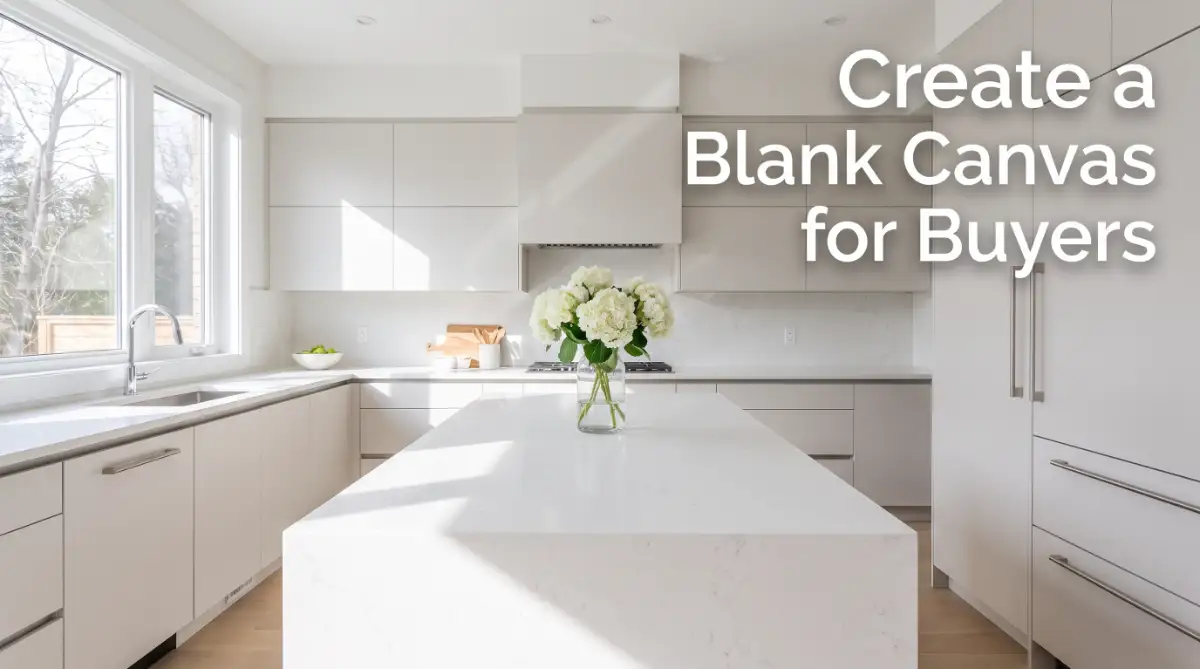
Master the Art of the Blank Canvas
Selling a house is deeply emotional for buyers. We often think people make purchasing decisions based purely on logic, square footage, and neighborhood stats.
While those things matter, most buyers decide if they want a house within the first ten seconds of walking through the front door. They buy based on a feeling.
Your goal is to create an environment where buyers feel relaxed, inspired, and eager to move in. Let us look at exactly how you can make that happen starting today.
Pack Up Your Memories (So Buyers Can Make Their Own)
The very first thing you need to do is completely depersonalize the space. This is often the hardest step for sellers because it feels like you are erasing your family from the house.
But that is exactly what you need to do. When a buyer sees your wedding photos on the mantle, they feel like a guest intruding in a stranger's house.
You want them to feel like they are walking into a luxury hotel room that belongs to them. Take down the family portraits, the kids' drawings on the refrigerator, and your personal collections.
Pro Tip: Think of this as getting a head start on your packing. Buy some sturdy boxes today. Pack away anything highly personal, including your sports memorabilia, religious items, and personalized signs. Stack these boxes neatly in the garage or rent a small storage unit.
The Brutal Truth About Clutter
Clutter eats equity. It makes large rooms feel small and small rooms feel tiny.
Even if your house is completely spotless, having too much furniture or too many items on the counters makes the home feel cramped. Buyers will instantly think, "There is not enough storage space here."
You need to ruthlessly edit your belongings. Look at your kitchen counters. Remove the toaster, the blender, the knife block, and the mail basket.
Leave only one or two decorative items, like a bowl of fresh fruit or a simple vase of flowers. A clear counter suggests that the kitchen has plenty of cabinet space.
Apply this same rule to your closets. Buyers will open your closets. If clothes are packed tightly together, the closet looks inadequate.
Remove half of your clothing and store it away. Organize the remaining items by color. A half-empty, highly organized closet tells buyers that this house offers plenty of room to grow.
I made the terrible mistake of stuffing all our extra winter coats and random junk into our guest room closet during a last-minute showing. When I came back, the closet door was left wide open, and our agent told me the buyers thought the house seriously lacked storage. From that day on, I finally rented a cheap storage unit, and it was the best money I ever spent to save my sanity.
Let the Light Pour In
Lighting is one of the cheapest and most effective ways to make your home look bigger and more inviting. Dark rooms feel sad and small. Bright rooms feel happy and spacious.
Start by opening every single blind and curtain in the house. Wash your windows inside and out. You would be surprised how much dust blocks natural sunlight.
Next, check your lightbulbs. Mixing different types of bulbs can make your rooms look strange in photos.
Expert Insight: Replace all your bulbs with matching temperatures. Aim for "Soft White" (around 2700K-3000K) for living rooms and bedrooms to create a cozy feel. Use "Daylight" bulbs (around 4000K-5000K) in kitchens and bathrooms to make them look bright and clean.
Before any showing, turn on every light in the house. Yes, even during the middle of the day. Turn on the lamps, the overhead lights, and the under-cabinet lighting in the kitchen.
Paint Colors: The Psychology of Neutral
You might love your bright red dining room or your daughter’s hot pink bedroom. But highly specific colors turn buyers away.
When a buyer sees a bold wall color, they do not see a fun design choice. They see a weekend of hard work painting over it.
Painting your walls a fresh, neutral color is one of the highest returns on investment you can make before selling. Neutral colors reflect light better and make rooms feel significantly larger.
Here is a quick breakdown to help you choose the right colors for your home:
Stick to shades like "Agreeable Gray" or "Alabaster White." These colors create a calming backdrop that allows buyers to imagine their own furniture in the space.
Give Every Room a Clear Job
We all have that one weird room or awkward corner in the house. Maybe it is a spare bedroom that has slowly turned into a storage dumping ground.
Maybe it is a tiny space under the stairs where you toss your extra shoes. Buyers get very confused by empty, purposeless spaces.
If they cannot figure out what a room is used for, they will assume the space is useless. You need to assign a clear, obvious job to every single area of your home.
Real-Life Scenario: The Junk Room Transformation
Let us say you have a small fourth bedroom filled with old workout equipment, boxes, and a random desk. A buyer will walk in and immediately walk out.
Instead, clear out the junk entirely. Bring in a simple desk, a nice chair, and a small area rug. Put a laptop on the desk and a small potted plant next to it.
Instantly, you have created a highly desirable "Home Office." In today's remote-working culture, showing a dedicated workspace can actually increase the perceived value of your home.
If you have an empty corner in the master bedroom, add a comfortable armchair, a small side table, and a reading lamp. Now it is not an awkward corner. It is a luxurious private reading nook.
Arrange Furniture to Create Flow
The way you arrange your furniture right now is probably designed for watching TV or everyday living. But staging furniture is entirely different.
When staging, you want to highlight the architecture of the room and create clear walking paths. Buyers should be able to move freely without bumping into couches or coffee tables.
Never push all your furniture directly against the walls. This actually makes rooms feel smaller and creates a dead, empty space in the middle.
Instead, pull your sofas and chairs a few inches away from the wall. Arrange them in small, conversational groups around a focal point, like a fireplace or a large window.
If you have oversized, bulky furniture that swallows the room, consider moving it to storage. Renting a smaller, modern sofa for a few weeks can make your living room look twice its actual size.
If you are struggling to figure out exactly how to position your couch and chairs, watch this quick video below. It shows you the simple layout tricks top stagers use to make any living room feel massive, and then keep reading below the video to find out the silent deal breaker that ruins perfectly staged homes!
The Silent Deal breaker: How Your House Smells
You can have the most beautifully staged home in the neighborhood, but if it smells bad, buyers will turn around and leave immediately.
We easily become "nose-blind" to the smells in our own homes. We do not notice the lingering scent of last night's dinner, the damp smell in the basement, or the smell of our beloved pets.
Myth vs Reality:
- Myth: You should plug in heavily scented air fresheners or light strong candles before a showing to make the house smell amazing.
- Reality: Strong artificial smells actually make buyers highly suspicious. They immediately wonder, "What terrible smell are they trying to hide?"
The goal is not to make your house smell like a perfume factory. The goal is to make it smell like absolutely nothing.
Start by deep cleaning everything. Wash all your rugs, curtains, and pet beds. Take out the trash right before you leave for a showing.
If you want a subtle, welcoming scent, stick to natural options. Wipe down your counters with a mild lemon cleaner. You can also simmer a few cinnamon sticks and apple slices in water on the stove just before leaving the house.
Bring the Outside In
Nothing breathes life into a sterile room quite like fresh greenery. Plants add warmth, color, and a sense of calm to a space.
You do not need to turn your living room into a jungle. Just a few well-placed plants can make a massive difference in how a room feels.
Put a tall, healthy snake plant in an empty corner of the living room. Place a small, fresh basil plant by the kitchen sink.
If you do not have a green thumb, do not worry. High-quality artificial plants look incredibly realistic these days and require zero maintenance during the stressful selling process.
A fresh vase of white flowers on the dining room table is a classic staging trick that adds instant elegance. It shows buyers that you care about the home and pay attention to the details.
Master the Bathroom Spa Experience
Bathrooms are highly personal spaces. Buyers want to see bathrooms that look sparkling clean and incredibly relaxing.
Remove every single daily hygiene item from the countertops and the shower. Nobody wants to see your used toothbrushes, half-empty shampoo bottles, or damp shower sponges.
Put all your daily items in a small basket under the sink and pull them out only when you need them.
Buy a set of brand new, fluffy white towels. Do not use these towels for drying off. Hang them neatly on the towel bars just for show.
Add a small, luxurious touch, like a fancy bar of soap or a fresh new bathmat. You want the buyer to feel like they are stepping into a high-end spa, not your busy morning routine.
By following these specific steps, you begin to shift the entire energy of the house. You are no longer selling an old building with a roof. You are selling a dream, a lifestyle, and a fresh start.
Next-Level Staging Strategies Top Agents Use
We have already covered the basics of clearing out your space and making it neutral. But if you want to stand out in a crowded market, you need to go a step further.
The best real estate agents know that selling a house is actually about selling a lifestyle. You want the buyer to walk in and instantly feel successful, relaxed, and happy.
Let us look at a few advanced techniques that professionals use to create an emotional connection with buyers. These small details often lead to bidding wars.
The 15-Second Curb Appeal Test
Your home staging effort does not start at the front door. It starts at the curb.
Imagine a buyer pulling up to your driveway. They will sit in their car for about 15 seconds, just staring at your house before they even get out.
If the lawn is overgrown and the mailbox is leaning over, they will already form a negative opinion. You need to win them over before they even turn the doorknob.
Start by power washing everything. Power wash your driveway, your sidewalks, and the exterior siding of your home.
Pro Tip: Paint your front door a fresh, welcoming color like a deep navy blue or a glossy black. A freshly painted front door instantly signals to buyers that the house is well-maintained.
Buy a brand new, clean welcome mat. Flank the front door with two large potted plants to create a sense of symmetry and elegance.
Set the Subconscious Emotional Temperature
People are highly affected by their physical environment, especially temperature. If a buyer feels physically uncomfortable in your home, they will rush through the showing.
If you are selling during the middle of summer, turn your air conditioning down. You want the house to feel like a cool, refreshing oasis when they step inside from the heat.
If you are selling in the winter, turn the heat up just enough to make it feel warm and cozy. If you have a gas fireplace, turn it on right before the showing starts.
This simple temperature control trick makes buyers want to linger. The longer a buyer stays in your home, the more likely they are to write an offer.
The Art of the Set Table
An empty dining room table looks sad and lonely. It reminds buyers of an empty room, rather than a place where families gather.
You can easily fix this by staging the table for a beautiful dinner party. You do not need real food, but you do need layers.
Lay down a simple, elegant table runner. Add clean placemats, your best white dinner plates, and polished silverware.
Place a neatly folded cloth napkin on each plate. Put a nice centerpiece in the middle, like a bowl of lemons or a vase of fresh flowers.
When buyers see this, they immediately picture themselves hosting Thanksgiving dinner or celebrating a birthday in that very room.
Create a Soundscape
Silence can sometimes feel awkward, especially in a large house. When an agent is walking a buyer through a silent home, every footstep and creak echoes.
You can soften the atmosphere by playing very quiet, ambient music. Leave a small Bluetooth speaker hidden in the living room or kitchen.
Play a subtle instrumental playlist, like light jazz or soft classical piano. Keep the volume extremely low, just enough to fill the empty space.
This technique makes the house feel like a luxury boutique or a high-end spa. It relaxes the buyer and makes the entire viewing experience much more enjoyable.
Highlighting Financial Peace of Mind
Selling your home quickly does not just save you stress. It literally saves you thousands of dollars in carrying costs.
Every extra month your house sits on the market means you are paying another mortgage payment, more property taxes, and more utility bills. If you are already looking for your next home, these double costs can be terrifying.
By staging your home to sell in the first weekend, you protect your bank account. In fact, many sellers use this saved money to focus on their next financial steps, like finding smart ways to lower your mortgage payment on their new property.
When a home looks pristine, buyers feel confident that the home is a safe investment. According to the latest home staging research from the National Association of Realtors, staged homes often sell for up to 5% more than unstaged homes.
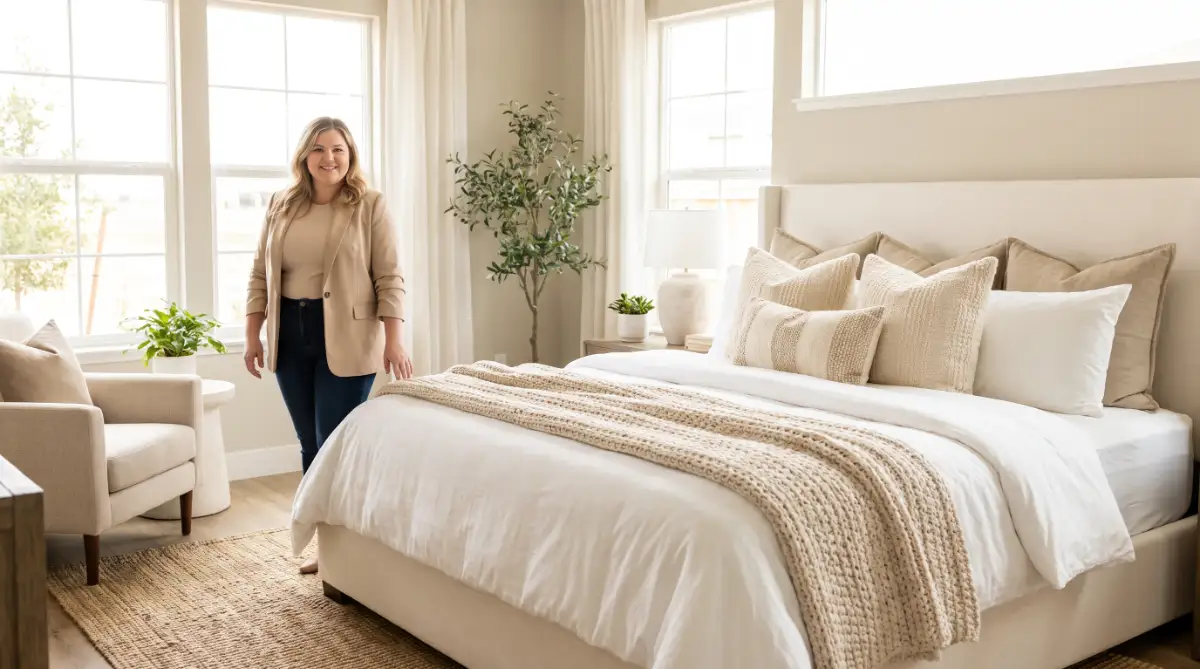
Silent Deal Killers That Cost You Thousands
Even with the best intentions, many sellers make honest mistakes that completely ruin their chances of a quick sale. Staging is a delicate balance.
If you push too hard, the house feels fake. If you ignore small details, the house feels neglected.
Let us walk through the most dangerous pitfalls sellers fall into. Avoiding these mistakes will save you from lowball offers and months of frustration.
The "Museum" Mistake
Yes, you want your home to be clean and decluttered. But some sellers take this way too far.
They remove everything until the house looks completely sterile. If a house lacks any signs of warmth, it feels like a hospital waiting room.
A buyer still wants to feel like a human being lives there. You need to strike a balance between clean and cozy.
Leave a thick, knitted throw blanket draped naturally over the edge of the sofa. Place an open cookbook on a stand in the kitchen next to some fresh vegetables.
These small touches of life keep the house from feeling cold and uninviting. The house should look perfectly clean, but ready to be lived in today.
Hiding Clutter Behind Closed Doors
This is the oldest trick in the book, and buyers see right through it. When you get a call about a last-minute showing, the panic sets in.
Sellers often grab piles of mail, dirty clothes, and kids' toys, and shove them into closets or the garage. They think, "The main rooms look great, so we are safe."
Here is the reality: Buyers look everywhere. They open bedroom closets, pantry doors, and even kitchen drawers.
When a buyer opens a closet door and a pile of shoes falls out, it instantly destroys the illusion of a well-maintained home. It tells them that the house does not have enough storage space.
Never use your closets or garage as a dumping ground. If you have too much stuff, you must rent a storage unit or keep it in your car trunk during showings.
The Psychology of Deferred Maintenance
We all have small things broken in our homes that we simply learn to live with. Maybe a doorknob is loose, or a closet door squeaks loudly.
Maybe there is a small water stain on the ceiling from a roof leak you fixed three years ago. You know the roof is fine now, so you ignore the stain.
But a buyer does not know your home's history. When they see a loose doorknob or a stained ceiling, they experience "deferred maintenance panic."
They subconsciously think, "If the seller didn't fix this cheap doorknob, what else is broken? What is going on behind the walls?"
One tiny broken item makes buyers question the structural integrity of the entire house. Walk through your home with a notepad and fix every single minor repair.
Caulk the bathtubs, tighten the cabinet hinges, and paint over old scuff marks. These $10 fixes prevent buyers from asking for $1,000 price reductions.
The Pet Deception Trap
We love our pets. They are part of the family. But to a home buyer, pets equal damage and bad smells.
Even if you have the most well-behaved dog in the world, some buyers are allergic or simply afraid of animals. If they walk in and smell a litter box, the showing is over.
Never leave dog bowls, chew toys, or litter boxes out during a showing. Hide all pet-related items completely out of sight.
More importantly, take your pets with you when you leave for the showing. Leaving a dog in a crate in the spare bedroom is incredibly distracting.
The buyer will feel guilty for disturbing the dog and will rush out of the house. You want their focus entirely on your beautiful home, not your barking puppy.
If you struggle with pet odors, focus on improving indoor air quality by opening windows daily and using high-quality HEPA air purifiers.
Hanging Around During the Open House
This is perhaps the most uncomfortable mistake a seller can make. Do not ever stay in the house while a buyer is walking through it.
Some sellers think it is helpful to stay behind to point out the new water heater or explain how the smart thermostat works. It is not helpful. It is awkward.
When the owner is present, buyers feel like intruders. They cannot speak freely with their agent.
They are afraid to open cabinets or test the water pressure because they do not want to offend you. If they cannot explore the house freely, they will not buy it.
Pack up your family, take the dog, and go for a long drive or visit a coffee shop. Let your real estate agent do their job in peace.
Leaving Sensitive Items Out in the Open
When you open your doors to the public, you have to protect your privacy. Many sellers completely forget about the personal items sitting on their desks or nightstands.
Never leave mail, bank statements, or bills sitting on the kitchen counter. A buyer might accidentally see your financial information.
Sometimes, knowing a seller's financial situation gives buyers an unfair advantage during negotiations. If they see overdue bills, they might assume you are desperate to sell and offer a much lower price.
This also applies to prescription medications. Put all medicines inside a locked box or take them with you in your bag.
It is a simple safety precaution that gives you peace of mind while strangers are walking through your bedrooms and bathrooms. Keep your private life completely private.
Buyers have their own financial concerns, like saving up for a down payment or trying to figure out understanding private mortgage insurance explained. Give them the mental space to focus on their budget, without being distracted by your personal items.
Your Immediate Blueprint for a Fast Sale
Staging a home might feel overwhelming right now. You are essentially moving out of your house before you actually move.
But I promise you, the hard work pays off immensely. The sweat equity you put into cleaning, organizing, and decorating will directly translate into thousands of extra dollars in your pocket.
You do not need to do everything in one single day. Break it down into manageable tasks.
Take it one room at a time. Start with the easiest room first to build your momentum and confidence.
Your "Showing Day" Survival Checklist
When that phone rings and the agent says a buyer is coming in one hour, you need a fast, reliable system. Keep this quick checklist handy so you never panic.
The 30-Minute Drill:
- Open the Curtains: Let every drop of natural light inside. Turn on every single lamp and overhead light.
- Clear the Counters: Hide the mail, wipe down the kitchen island, and put all bathroom toiletries in a hidden basket.
- Empty the Trash: Take every trash bag out of the house. Never let a buyer see or smell garbage.
- Make the Beds Perfectly: Smooth out the sheets and fluff the pillows like a hotel room.
- Adjust the Climate: Set the thermostat to a comfortable temperature.
- Grab the Pets and Go: Put the dog leash on, grab your purse, and leave the driveway completely empty.
Selling a home is a big transition. It marks the end of one chapter and the exciting beginning of another.
By treating your home like a valuable product on a shelf, you remove the emotional stress from the process. You are simply preparing a beautiful package for the next family to enjoy.
Take a deep breath, grab some moving boxes, and start packing away the clutter today. You are now armed with the best strategies in the real estate business.
Your future buyers are out there right now, looking for exactly what you have to offer. Give them the bright, clean, and beautiful blank canvas they are desperately searching for.
I know moving out of a place you love feels incredibly heavy right now, but taking these small steps completely changed my selling journey from stressful to successful. Just grab one single moving box today and start clearing off your bathroom counters. You have got this, and the perfect buyer is going to fall in love with your hard work!
Disclaimer:
The information provided in this article is for educational and informational purposes only. Real estate markets vary widely by location. Always consult with a licensed real estate professional or financial advisor before making major decisions regarding the sale of your property.