The Hidden Stress of an Empty Rent Ledger
It starts with a quiet check of your bank account. A few years ago, I remember sitting at my kitchen table, staring at my phone screen in complete disbelief.
My tenant was two weeks late on rent, and my own mortgage payment was due in just three days. I felt a cold dread sink into my stomach, wondering how I was going to cover the bills without that monthly check.
You log in, hoping to see the monthly rent transfer. Instead, the balance remains unchanged.
You wait another day, thinking it might just be a bank delay. But by day three, a cold knot starts to form in your stomach.
For many property owners, rental income is not play money. It is the direct source used to pay the mortgage, property taxes, and insurance.
When a tenant stops paying, your entire financial world can feel unstable. You might start losing sleep, wondering how you will cover the bills.
The mental toll is often heavier than the financial one. You might feel angry, betrayed, or simply helpless.
You do not want to be a cold-hearted person. At the same time, you cannot afford to run a charity.
This simple question can keep you awake at night. You want to take action, but you also fear making the situation worse.
Let us look at how you can handle this tough situation. You can protect your investment while keeping your dignity and peace of mind intact.
Start with a Quick, Polite Check-In
Do not assume the worst on day one. People lead busy lives, and mistakes happen easily.
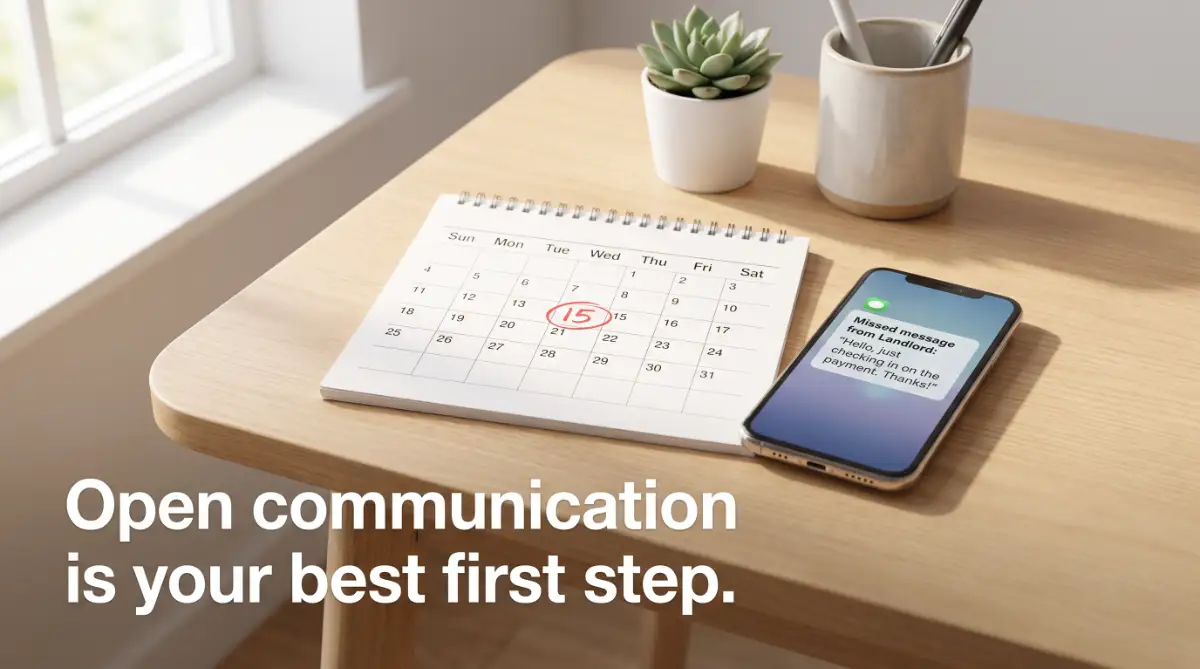
Send a friendly text message or make a brief phone call. Keep your tone light, warm, and helpful.
You might say something like, "Hi, I noticed the rent has not arrived yet. Just wanted to make sure everything is okay."
This simple check-in does two important things. First, it alerts a tenant who may have honestly forgotten. Second, it keeps the relationship positive.
If they had a bank glitch, they will usually fix it right away. If they have a real problem, this opening gives them a safe space to tell you.
Understand the Grace Period
Before you take any formal action, review your lease contract. Most leases include a specific grace period.
A grace period gives the tenant a few extra days to pay without penalty. Commonly, this is three to five days.
Do not charge late fees or send formal demands during this time. Doing so can damage your relationship and might even break local laws.
Myth vs. Reality in Rental Rules
Before you take any action that could accidentally land you in legal trouble, watch this quick video explaining your actual rights as a landlord. It will help keep your investment safe before you read our step-by-step guide below.
Review Your Lease Terms and Local Laws
Once the grace period ends, look at your lease terms again. Note down the exact late fees you are allowed to charge.
At the same time, check your local landlord-tenant laws. Different areas have very strict rules about notices and timelines.
In some towns, you can send a notice on day two. In other cities, you must wait longer.
Following local laws to the letter is your shield. If you make a small mistake now, it could ruin your legal case later.
If you feel unsure, take ten minutes to read your local housing authority website. It is always better to be safe than sorry.
Pro Tip: Keep a written log of every call, text, and email. Write down the dates, times, and what you both talked about. This record is highly useful if you ever need to go to court.
Offer a Simple, Temporary Payment Plan
If your tenant is facing a real financial emergency, talk to them. A sudden job loss, a medical bill, or a family issue can happen to anyone.
If they have been a great tenant in the past, consider offering a temporary payment plan. This shows you are reasonable and willing to work with them.
You can break the unpaid rent into smaller, weekly payments. Alternatively, you can agree to accept a late payment on a specific date.
Always put this plan in writing. Both of you must sign and date the document.
I learned this the hard way when I accepted a friendly verbal promise from a tenant, only to be left empty-handed for another month. Now, I never agree to a late payment plan without putting it on paper, even if we have a great relationship. It keeps expectations clear and prevents misunderstandings down the road.
State clearly that this is a one-time adjustment. Make sure they know that normal lease terms still apply in the future.
Send a Formal Notice to Pay Rent or Quit
If your polite messages go ignored, you must take a formal step. This means delivering a formal notice to pay rent or quit.
This document tells the tenant exactly how much they owe. It also gives them a strict deadline to pay the full amount.
Typically, this is a 3-day, 5-day, or 14-day notice, depending on your local laws. If they do not pay by the deadline, they must move out.
Use a template that matches your local state laws exactly. Many local government or legal aid websites offer these forms for free.
Serve the notice legally. Some states require you to mail it certified, while others require you to tape it to the front door.
Make sure you get a proof of service. This is your proof that the tenant actually received the paper.
Consider Cash for Keys
Sometimes, a tenant simply cannot afford to live in your property anymore. They might want to leave, but they do not have the money to move.
In this case, you can offer a solution called "cash for keys." This means you offer them a small sum of money to move out peacefully.
It might sound strange to pay someone who owes you money. However, a formal legal eviction can take months and cost thousands of dollars.
Offering a few hundred dollars to help them move can save you time and money. It also protects your property from potential damage.
Only hand over the cash after they are completely out. Walk through the clean, empty property, take the keys, and then give them the agreed money.
Know When to Get Professional Legal Help
If the tenant ignores your notices and refuses to move, do not try to handle it alone. This is the moment to call an experienced real estate attorney.
An attorney who specializes in landlord-tenant law knows the system. They can file the formal eviction lawsuit quickly and correctly.
They will represent you in front of a judge. This keeps you safe from emotional arguments and legal mistakes.
Yes, hiring a lawyer costs money. But leaving a non-paying tenant in your property for months costs far more.
Protect Your Investment for the Future
Once this issue is resolved, take steps to protect your rental business. The best way to handle non-payment is to prevent it from happening again.
Update your tenant screening process. Always run a full background check, credit check, and eviction history search.
Call past landlords to ask about their payment history. Do not rely only on a friendly face or a good story.
Consider requiring automatic online rent payments. This makes it easy for tenants to pay on time every single month.
Keep a healthy cash reserve for your rental property. Having three to six months of mortgage payments in a savings account will give you peace of mind.
Smart Shields: Advanced Strategies to Protect Your Rental Cash Flow
Taking care of rental properties can sometimes feel like a wild ride. When a tenant falls behind on payment, you need smart tools to protect your business.
One highly effective way to shield your income is through rent guarantee insurance. This is a special insurance policy that pays you the rent if your tenant stops paying.
While it costs a small monthly fee, it gives you incredible peace of mind. You will not have to worry about how you will pay your own bills when the rent check is late.
Many property owners also look for other smart ways to ease their financial burdens. If you are struggling with your own home loans during a dry spell, you can explore smart ways to lower your mortgage payment to keep your cash flow healthy.
Reducing your monthly expenses makes it much easier to handle a tenant who is late on their payments. You can take your time to resolve the issue without feeling like your world is ending.
Build a Solid Cash Reserve specifically for Repairs and Late Rent
A successful property owner always expects the unexpected. You should aim to build a reserve fund that covers at least three to six months of expenses.
This fund should cover the mortgage, utilities, taxes, and basic maintenance costs. If a tenant stops paying, you can draw from this account to keep everything running.
Treat it as an emergency shield that only exists to protect your real estate business. Having this cash buffer changes your entire mindset.
You will no longer feel desperate or angry when a tenant asks for a late payment. You will have the breathing room to make calm, logical choices.
Sometimes, lenders require you to have extra insurance or reserves depending on your loan structure. If you are still learning about how these extra costs affect your monthly budget, understanding private mortgage insurance explained can help you plan your finances more clearly.
Knowing where every dollar goes helps you build a much stronger financial shield. You will be ready for any dry spell that comes your way.
Use Gentle, Automated Technology to Send Reminders
Many tenants do not pay late because they want to cause trouble. They simply get busy, lose track of time, or forget the date.
You can solve this easily by using modern property management software. These platforms send automatic email and text reminders three days before the rent is due.
They also send a gentle reminder on the due date and another if the payment is late. This removes the awkwardness of you having to call and ask for money.
The software acts as a neutral third party that handles the daily details. Your tenants will appreciate the polite reminders, and you will get paid faster.
It takes the emotion out of the process. Your tenant sees the reminder as a standard business task rather than a personal attack.
Create a Reward System for On-Time Payments
Most landlords only communicate with their tenants when something goes wrong. This can make the relationship feel cold or stressful.
Instead, try turning rent payment into a positive experience. You can offer small rewards for tenants who pay on time for six months in a row.
For example, you could give them a small gift card to a local coffee shop. You could also offer a tiny discount on their rent for the next month.
People love being appreciated for their good behavior. This small gesture builds deep loyalty and respect.
A loyal tenant will work much harder to pay you on time, even when they are facing hard times. They will value their relationship with you and treat your property with care.
Understanding the Legal Framework of Your State
Every state has unique guidelines that protect both landlords and renters. You must take the time to read the specific rules in your city.
Some local areas have very strict rules about when you can contact a tenant. Others require specific wording on any late notices you send.
You can find reliable details by studying landlord-tenant laws and regulations online. These resources show you the exact legal steps you must follow.
Never guess when it comes to the law. A single mistake can put you back at the beginning of the process.
Q&A: Common Landlord Worries
Q: Can I offer a discount for early payments?
A: Yes, many landlords offer a small discount if rent is paid before the first of the month. This encourages tenants to plan ahead.
Q: What if the tenant has a co-signer on the lease?
A: You should contact the co-signer immediately when the rent is late. They are legally responsible for the payment and will often pay to protect their credit.
Q: Should I accept cash for rent payments?
A: It is best to avoid cash. Paper checks or online transfers leave a clear paper trail that protects both of you.

The Dangerous Path: Common Traps that Can Ruin a Landlord's Case
When rent does not show up, anger and fear can easily cloud your judgment. You might feel the urge to drive over to the house and demand your money.
This is where many property owners make costly mistakes. Letting your emotions rule your actions can lead to a legal disaster.
One of the biggest mistakes you can make is trying to force the tenant out on your own. This is often called a "self-help eviction."
You must never turn off the water, electricity, or gas to make a tenant leave. You must never change the door locks while they are away.
If you do these things, the tenant can sue you in court. A judge might force you to pay thousands of dollars in damages, even if the tenant owes you rent.
The Trap of Accepting Partial Payments Unwisely
Another common mistake is accepting a small partial payment without a clear plan. If a tenant owes you $1,500 and offers to pay $200, think carefully.
In many areas, accepting any amount of money can cancel your active eviction notice. You might have to start the entire legal process over again.
If you decide to accept a partial payment, always write a formal agreement. State clearly that this payment does not stop the eviction process unless the full amount is paid by a specific date.
Have both parties sign this document before you accept the funds. This keeps your legal rights safe while showing you are willing to cooperate.
Keep Every Piece of Written Communication
Do not make agreements over a quick phone call without a paper trail. If you talk on the phone, send a follow-up text or email summarizing the conversation.
Ask the tenant to reply and confirm they agree with the details. If you ever have to go to court, verbal agreements hold very little weight.
A judge wants to see clear, written evidence of your communications. If you cannot prove what you said, you might lose your case.
Avoid Showing Up Unannounced or Calling Constantly
It is easy to let your frustration drive you to call the tenant five times a day. You might feel like knocking on their door every evening.
However, this can be legally defined as harassment. Tenants have a legal right to quiet enjoyment of their home, even if they are behind on rent.
If you harass them, they can use this as a defense in court. It can delay your eviction case for weeks or even months.
Stick to a professional, scheduled communication plan. Send your notices, wait the required days, and let the process work.
You can also check with your local housing authority resources to see what support programs exist. Sometimes, local programs can pay the landlord directly to help the tenant catch up on rent.
This can be a win-win solution for everyone involved. It keeps the tenant in their home and puts the money back in your pocket.
Your Roadmap to Peace and Profit
Action Plan for Tomorrow
To make sure you are always moving in the right direction, follow this simple checklist:
- Review your cash reserves: Check your emergency account to see if you can cover your mortgage easily.
- Check local guidelines: Look up your city's rules on late rent notices.
- Draft a friendly text: Prepare a soft check-in message that is polite and supportive.
- Gather your lease papers: Keep your signed rental agreements in a safe, easy-to-reach digital folder.
- Explore local aid: Find out if there are local rental assistance programs that can help your tenant pay.
A Word of Encouragement
Handling a tenant who has stopped paying rent is one of the hardest parts of real estate investing. It tests your patience, your finances, and your emotions.
But remember that this is a standard business challenge, not a personal failure. Every successful real estate investor has faced this issue at least once.
Approach the situation with a calm mind, a professional attitude, and a clear legal plan. You have the tools, the knowledge, and the strength to handle this correctly.
Stay patient, follow the steps, and protect your investments with pride. Better days and steady cash flows are ahead of you.
When I faced my first unpaid rent issue, I almost wanted to sell my property and quit. But taking a deep breath and following a clear, calm plan helped me get my investment back on track, and it can do the same for you. Try starting with just one small, proactive step from the checklist today—you have the tools to handle this.
Disclaimer
This article is for informational purposes only. It is not professional legal or financial advice. Housing laws vary by state and city, and they can change over time. Always consult with a licensed real estate attorney or a local professional before taking legal action against a tenant.