
The Hidden Anxiety on Your Plate: A New Mother's Reality
You just saw those two pink lines on the test, and a wave of pure joy washed over you. But almost immediately after the excitement, a strange sense of panic begins to settle in your chest. Suddenly, the simple act of eating lunch feels like navigating a complicated minefield.
I still remember sitting at my kitchen table during my seventh week, staring at a simple bowl of fruit salad and suddenly bursting into tears. I was so completely paralyzed by the fear of eating the "wrong" thing that I had survived on plain dry toast for three days straight. My husband looked at me, totally helpless, as I frantically googled whether a single raw spinach leaf could hurt our baby. It was in that exhausting, emotional moment I realized I had to figure out exactly what was safe so I could finally start enjoying my meals again without the constant panic.
You find yourself staring blankly at your refrigerator, second-guessing every single item on the shelves. Can you eat that leftover chicken? Is that salad dressing actually safe? This overwhelming anxiety is something nobody really warns you about when you start your journey into motherhood.
Every time you sit down to eat, your mind races with endless questions about what might harm your growing baby. Your mental peace gets hijacked by confusing advice from family members, conflicting internet forums, and outdated old wives' tales. You just want to do everything perfectly, but the sheer volume of information is completely exhausting early pregnancy foods to avoid unsafe foods during pregnancy dietary risks in first trimester first trimester diet; women health
The truth is, your body is undergoing massive changes right now, and your immune system is entirely different than it was a month ago. What was perfectly safe for your lunch last week might now pose a hidden threat. Understanding these dietary risks in first trimester changes is the best way to take back your peace of mind.
We are going to walk through this together, breaking down exactly what you need to skip and why. You deserve to enjoy your meals without that heavy cloud of worry hanging over your head. Let us explore the surprising things you need to watch out for so you can breathe easier today.
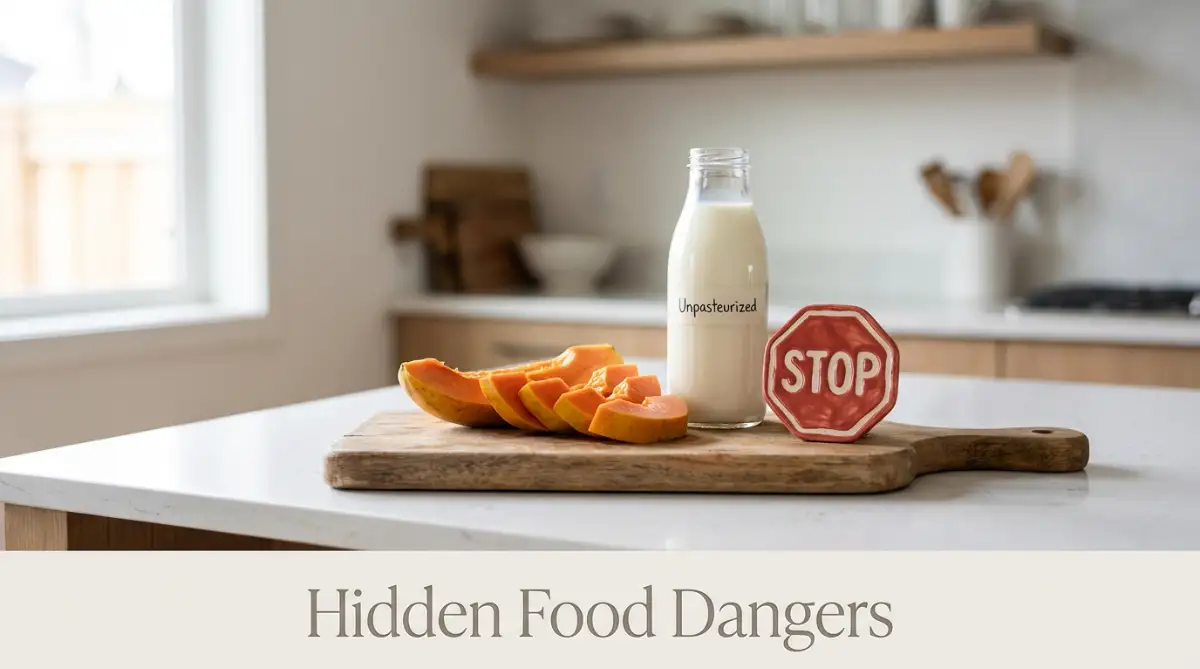
The Immune System Shift: Why The Rules Suddenly Change
Before we talk about specific foods, you need to understand why your body reacts differently right now. When you become pregnant, your immune system intentionally lowers its defenses. This happens so your body does not mistakenly reject your growing baby, which is technically a completely new entity in your system.
Because your defenses are down, your body has a much harder time fighting off basic foodborne bacteria. A tiny amount of bacteria that would normally just give you a mild stomach ache can now make you severely ill. This is the main reason why knowing early pregnancy foods to avoid becomes your first line of defense.
Think of your immune system like a busy security guard at a concert. Before pregnancy, that guard was checking every single ticket and tossing out troublemakers instantly. Now, that guard is completely distracted protecting the VIP section, leaving the front doors slightly unguarded.
You have to act as that extra layer of security by carefully monitoring what enters your body. This is a foundational part of any good Pregnancy nutrition guide, as prevention is always better than a cure. By simply keeping the bad bacteria out of your kitchen, you keep both you and your baby safe unsafe foods during pregnancy hidden food risks for moms what not to eat when pregnant pregnancy meal planning health tips
The Deli Meat Deception: Not Just a Simple Sandwich
Most people think a simple turkey sandwich from the local deli is the safest lunch possible. It feels light, it is easy on the stomach, and it is packed with lean protein. However, deli meats and cold cuts are actually some of the most dangerous unsafe foods during pregnancy.
These meats are highly susceptible to a bacteria called Listeria, which can survive and even grow inside a cold refrigerator. Unlike many other foodborne bugs, Listeria can actually cross the placenta and directly affect your baby. This can lead to severe complications during those delicate early weeks of development.
If you are craving a turkey sandwich, you do not have to give it up entirely. You just need to change how you prepare it at home. You must heat any deli meat in the microwave or on the stove until it is literally steaming hot.
Heating the meat until it steams effectively kills any lingering Listeria bacteria. This is one of those simple Prenatal dietary hacks that lets you satisfy your cravings without taking unnecessary risks. Just remember to let it cool down a bit before you take a bite!
Pre-Packaged Salads: The Healthy Trap
When you want to practice Healthy eating for moms, reaching for a pre-washed bag of salad seems like the smartest choice. It is full of vitamins, requires zero prep time, and makes you feel great about your choices. Surprisingly, these convenient bags are frequently linked to major bacterial outbreaks.
The damp, enclosed environment inside a plastic salad bag is a perfect breeding ground for Salmonella and E. coli. Even if the bag says "triple-washed" in big bold letters, you cannot fully trust it right now. The machinery used to wash these greens in massive factories can sometimes cross-contaminate thousands of bags at once.
To protect yourself, you should completely avoid eating raw salads from restaurants or buying pre-bagged mixes. Instead, buy whole heads of lettuce, cabbage, or spinach from your local market. When you get home, wash every single leaf individually under running water.
Taking the extra five minutes to wash your own greens is a highly effective way to eliminate these hidden food risks for moms. You can still enjoy your crisp salads, but you remain in total control of the cleanliness. This tiny shift in your Pregnancy meal planning routine makes a massive difference in your overall safety.
Pro-Tip: The Salad Spinner Hack
If washing whole heads of lettuce feels tedious, invest in a good quality salad spinner. You can thoroughly wash and dry a week's worth of greens in just a few minutes. Store them in a glass container with a dry paper towel to keep them fresh and totally safe.
Unpasteurized Fresh Juices: The Farm Stand Danger
Stopping by a local farm stand or a trendy juice bar for a freshly pressed green juice feels amazing. You are packing your body with pure fruits and vegetables, which sounds like excellent Women health practice. However, if that juice is unpasteurized, it is entirely unsafe for you right now.
Pasteurization is a simple heating process that kills harmful toxins and bacteria found on raw produce. When juice is squeezed fresh and served raw, any bacteria lingering on the outside of the fruit gets mixed right in. This is a massive issue when you are focused on what not to eat when pregnant.
Always check the labels of any juice you buy at the grocery store. It must clearly state the word "Pasteurized" somewhere on the bottle. If you are at a restaurant or a farmer's market and they cannot confirm it is pasteurized, simply walk away healthy eating for moms pregnancy nutrition guide managing pregnancy nausea pregnancy health tips nausea relief foods
You can safely make fresh juice in your own kitchen if you properly scrub the produce first. But when you rely on someone else's cleaning habits, you are taking a gamble with your health. Sticking to pasteurized options is a non-negotiable part of your First trimester diet.
The Hidden Risks in Certain Herbal Teas
Before you brew another comforting mug of tea, you need to know exactly which herbs might secretly trigger early cramps. Watch this quick breakdown to ensure your favorite morning blend is actually keeping you and your baby perfectly safe!
Many women switch from coffee to herbal tea as soon as they find out they are expecting. Tea feels soothing, natural, and incredibly comforting during those stressful early weeks. While many teas are perfectly fine, some herbs act as powerful uterine stimulants.
Herbs like pennyroyal, licorice root, and high amounts of raspberry leaf should be completely avoided early on. These specific plants can cause your uterus to contract long before it is ready. This is a very serious concern and one of the most overlooked dietary risks in first trimester care.
Always stick to simple, single-ingredient teas that are universally known to be safe. Peppermint tea and ginger tea are excellent choices that also double as amazing Nausea relief foods. In fact, keeping a warm cup of ginger tea nearby is a classic way of Managing pregnancy nausea.
When buying tea, avoid anything labeled as a "detox" or "cleanse" blend. These products often hide unlisted herbs that can upset your stomach or trigger early cramping. Reading the ingredient list on your tea box is just as important as reading the label on your food.
Raw and Unripe Papaya: A Tropical Threat
Fruit is generally highly recommended when you are expecting a baby. It provides natural energy, fiber, and essential vitamins that your body desperately craves. However, raw or unripe green papaya is a major exception to this rule.
Unripe papaya contains a sticky white substance called latex, which is highly concentrated before the fruit turns orange. This specific type of latex acts incredibly similarly to the hormones that trigger labor. Eating green papaya can cause strong uterine contractions, making it a dangerous addition to your First trimester diet.
You might find unripe papaya in many popular Southeast Asian dishes, like green papaya salad. If you are dining out at a Thai or Vietnamese restaurant, you must ask them to leave this ingredient out completely. This is a very specific example of early pregnancy foods to avoid that many new moms are totally unaware of.
Fully ripe, yellow papaya is completely safe and actually very good for your digestion. Just make sure the fruit is soft, entirely orange, and free of any green spots before you slice into it. When properly ripe, it becomes a wonderful part of Healthy eating for moms.
Store-Bought Mayo and Fancy Dressings: The Raw Egg Reality
A creamy Caesar salad or a sandwich loaded with fresh mayonnaise sounds delicious for lunch. But homemade or freshly prepared dressings often contain raw or barely cooked eggs. Raw eggs carry a high risk of Salmonella, which will cause severe food poisoning.
Most commercial, shelf-stable mayonnaise you buy in the regular grocery aisle is made with pasteurized eggs and is completely safe. The danger lies in fresh, artisanal dressings made at high-end restaurants or local boutique markets. When an egg is not cooked until the yolk is entirely firm, it belongs on the list of unsafe foods during pregnancy.
When you eat out, always ask your server if their dressings or sauces contain raw egg. If they do not know, politely ask them to check with the kitchen staff. Do not feel embarrassed about asking these questions; advocating for yourself is a huge part of Women health.
If you love making dressings at home, you can find pasteurized liquid eggs in the dairy section of most supermarkets. Using these allows you to make your favorite creamy sauces without any of the worry. This is one of those clever Prenatal dietary hacks that keeps your meals exciting and flavorful.
Myth vs Reality: Clearing Up The Confusion
During your first few weeks, you will hear a massive amount of conflicting advice from everyone you meet. Let us clear up some of the most common myths regarding your plate. Knowing the actual truth helps you build a solid Pregnancy nutrition guide for yourself.
Myth: You have to completely give up all seafood for nine months.
Reality: You only need to avoid raw seafood and fish that are known to be high in mercury. Safe, fully cooked fish like salmon and tilapia are actually incredibly beneficial for your baby's brain development.
Myth: Spicy food will harm the baby or cause complications.
Reality: Spicy food is completely safe for your baby, though it might cause you some painful heartburn. If you can tolerate the spice, there is no medical reason to remove it from your menu.
Myth: If you are having morning sickness, you should stop eating until it passes.
Reality: An empty stomach actually makes your nausea significantly worse. Eating small, frequent meals is the most effective method for Managing pregnancy nausea. Keeping plain crackers on your nightstand is one of the best Health tips you can follow.
The Reality of Managing Morning Sickness Safely
When that familiar wave of nausea hits, finding something you can actually keep down feels impossible. Many women naturally gravitate towards cold, raw, or extremely plain foods to soothe their stomach. However, you still have to be careful about food safety even when you feel terrible.
If you are struggling with severe morning sickness, try focusing on dry, fully baked carbohydrates. Toast, plain bagels, and baked potatoes are usually very well tolerated and entirely safe. These are considered excellent Nausea relief foods because they absorb excess stomach acid without introducing any harmful bacteria.
Do not force yourself to eat complex, heavy salads if the thought of them makes you gag. It is completely okay to survive on simple, safe carbs during these tough early weeks. Your prenatal vitamins are designed to fill in the nutritional gaps while you focus on simply getting through the day.
Remember that true Health tips during this phase are about survival and safety, not perfection. Listen to your body, stay hydrated with safe, pasteurized liquids, and eat whatever safe foods sound appealing to you.
Quick Safe Swaps for Common Cravings
It is completely normal to suddenly crave the exact foods you are supposed to avoid. Having a plan for safe alternatives makes your daily Pregnancy meal planning so much easier. Here is a quick reference guide to help you make smart choices when cravings hit hard: