Proven Parenting Strategies for Raising Happy and Calm Kids
Picture this common morning scene in almost every household. The clock is ticking, the school bus is minutes away, and your little one is having a complete meltdown over the wrong color of their cereal bowl. Your heart starts racing, and a wave of pure exhaustion washes over you.
You try to stay calm, but the frustration bubbles up inside. You are not alone in this heavy, silent struggle. Thousands of mothers wake up every single day feeling totally defeated before they even pour their first cup of coffee.
We love our children more than words can explain, but the daily grind of negotiations, tantrums, and bedtime battles can completely drain our mental energy. It feels like you are constantly walking on eggshells in your own home. The pressure to have everything perfect often leaves us feeling like we are constantly failing.
I remember a morning last month when I was literally sitting on my kitchen floor, crying right alongside my screaming toddler. The burnt toast, the missing shoe, and the non-stop whining finally broke me down, and I felt like the worst parent in the world. It was at that exact moment I realized I could not keep living in this constant state of stress and exhaustion. I needed a completely new approach to save my own sanity and my relationship with my kids.
But I want you to take a deep breath right now. This overwhelming chaos is not your fault, and it does not mean you are doing a bad job. You simply need the right tools to handle these big emotions without losing your own peace of mind. Applying positive discipline techniques can completely shift the energy in your home from stressful to peaceful.
When we understand the root cause behind our children's behavior, everything begins to change for the better. By focusing on effective communication with toddlers, we can stop the yelling and start connecting on a deeper level. Let's look at how we can rebuild that peace together today.
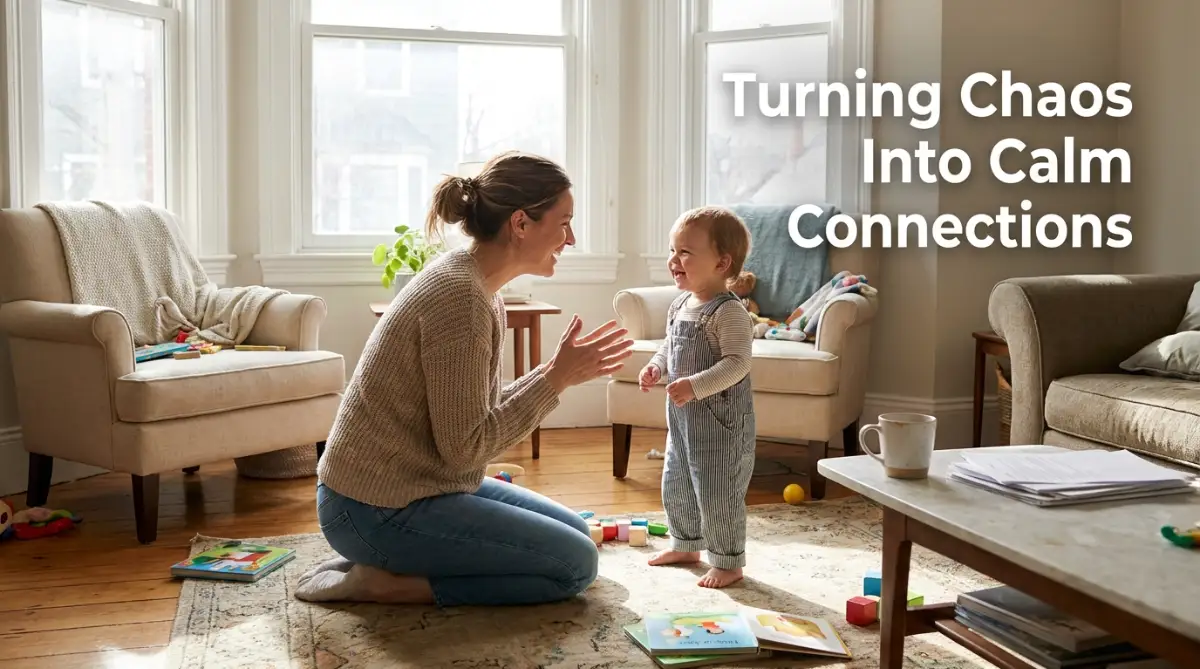
Escaping the Daily Survival Mode
Many of us are just trying to survive until bedtime every single day. We bounce from one crisis to the next, putting out emotional fires and cleaning up endless messes. But simply surviving is not the joyful family life you imagined when you first held your baby.
To break this exhausting cycle, we have to rethink our daily approach. This is where finding PRICELESS PARENTING HACKS becomes a total game changer for your mental health. Small, intentional changes in how we speak and react can save hours of frustration.
If you truly want to learn How To Be Smart Parents, you have to stop reacting to the chaos and start guiding the behavior. It takes a little practice, but the peaceful results are worth every ounce of effort. We will explore exactly how to make this shift, step by step, using proven modern parenting strategies.
You do not need an advanced psychology degree to understand what your child really wants. You just need to look at the world through their tiny, curious eyes. Let's dive into some realistic methods you can use right now.
Real-Life Story: The Grocery Store Meltdown
Let me share a quick story about my friend Jessica. She was standing in the checkout line when her three-year-old son started screaming for a candy bar. People started staring, and Jessica felt her face turning bright red with intense embarrassment positive discipline techniques modern parenting strategies raising confident kids peaceful parenting tips
Her first instinct was to snatch the candy away and yell, which is what most of us would do. Instead, she remembered a few simple peaceful parenting tips she had learned. She got down on his eye level, took a slow breath, and calmly acknowledged his feelings first.
She quietly said, "I see how much you want that candy, it looks so yummy, doesn't it?" Surprisingly, her son stopped crying immediately and just nodded his head in agreement. By simply validating his big feelings, she used emotional intelligence in children to defuse a public disaster instantly.
He did not get the candy, but he also did not throw a massive tantrum on the floor. This is exactly what PRICELESS PARENTING HACKS look like in real, messy everyday life. You acknowledge the feeling, hold the boundary, and move forward together.
The Science of Connecting Before Correcting
When a child is throwing a tantrum, their brain is literally entirely in a "fight or flight" state. Logic and reasoning will completely bounce off them like water on a raincoat. You cannot teach a lesson to a brain that is actively panicking.
This is why traditional punishments often lead to more anger and distance. Smart parents know that you must establish an emotional connection before you can correct a bad behavior. Giving a tight hug during a meltdown might feel unnatural, but it actually calms their nervous system down.
Once their breathing slows down and their tears stop, their brain is finally ready to listen. This is the perfect moment to apply positive discipline techniques to guide them toward a better choice. You can quietly ask, "What could we do differently next time you feel angry?"
By asking questions instead of lecturing, you are actively building their problem-solving skills. Figuring out How To Be Smart Parents means knowing exactly when to speak and when to just hold them closely effective communication with toddlers emotional intelligence in children positive discipline techniques peaceful parenting tips
Pro Tip: The Illusion of Choice
One of the biggest power struggles happens because children feel like they have absolutely zero control over their lives. We tell them when to wake up, what to wear, and exactly what to eat. Naturally, they push back by refusing to do simple tasks like putting on their shoes.
You can bypass this resistance by offering structured choices throughout the day. Instead of commanding, "Put your shoes on right now," try asking, "Do you want to wear the red shoes or the blue sneakers today?" This simple question is a core part of modern parenting strategies.
The child feels totally empowered because they get to make a decision all by themselves. You win because the shoes are finally going on their feet without a screaming match. This method works perfectly for meals, clothing, and even choosing which book to read before bed.
Giving them a voice in small matters is a major step in raising confident kids. When they feel respected, they are much more likely to cooperate with your bigger rules.
Table of Transformation: Old Habits vs Smart Habits
Watch this quick real-life demonstration on how simply changing your tone can instantly stop a tantrum in its tracks. After watching, keep reading below to discover how positive reinforcement can permanently fix bad habits!
Sometimes, seeing the difference on paper makes everything click in our minds. Let's look at a quick comparison between reactive habits and smart responses.
Using this chart as a mental guide is one of the best peaceful parenting tips you can keep in your back pocket. It slowly trains your own brain to pause before shouting out a command.
Mastering the Magic of Positive Reinforcement
We spend so much of our day telling our kids exactly what not to do. "Don't run," "Stop hitting," and "Don't touch that" become our automatic catchphrases. Hearing constant negativity can actually make children tune out your voice entirely.
To flip the script, you have to start catching them being exceptionally good. When you notice them sharing a toy quietly, praise the specific action immediately. Saying, "I love how gently you handed that truck to your brother," is one of the best positive reinforcement examples.
This makes them feel incredibly proud and encourages them to repeat that exact good behavior. Kids naturally crave your attention, and they will do whatever it takes to get it. If they only get attention when they misbehave, they will keep misbehaving on purpose positive reinforcement examples emotional intelligence in children raising confident kids modern parenting strategies
Shower them with praise for the little things, and the big behavioral issues will slowly start to fade away.
The Power of the "When/Then" Routine
Mornings and bedtimes are usually the most stressful parts of the entire day. Transitions are naturally hard for young minds to process quickly. A brilliant way to smooth out these bumpy times is by using the "When/Then" phrasing.
Instead of threatening a punishment, you simply state the natural order of events. For example, "When your teeth are brushed, then we can read your favorite story." This is a masterclass in effective communication with toddlers.
It completely removes the power struggle because you are not actively arguing with them. You are just stating a firm fact about how the schedule works. If they refuse to brush their teeth, they are choosing to delay the story time on their own.
This simple shift places the responsibility gently onto their shoulders. It is a highly effective part of modern parenting strategies that saves your voice and your sanity.
Building Emotional Wealth Early On
A child who understands their own feelings will grow into a highly resilient adult. Many behavioral issues stem from the fact that kids simply lack the vocabulary to express their deep frustration. They hit or bite because their big feelings have nowhere else to go safely.
Teaching emotional intelligence in children starts with naming the feelings for them. If your child is throwing puzzle pieces, you can say, "You look really frustrated that this piece won't fit." Suddenly, they realize that you understand their inner struggle perfectly.
You can then offer a healthy alternative, like squeezing a soft pillow or taking deep breaths like a dragon. Over time, they will learn to use words instead of using their fists. Giving them these coping tools is absolutely essential for raising confident kids.
They learn that all feelings are perfectly okay, but not all actions are acceptable.
Q&A: Real Answers for Real Struggles
Question 1: What do I do when my child completely ignores me?
When a child ignores you, they might just be overly focused on their play. Try walking over, placing a gentle hand on their shoulder, and making direct eye contact before speaking. This physical connection brings their attention back to you instantly. It is a very simple technique for effective communication with toddlers.
Question 2: How can I stay calm when I am so angry at them?
This is the hardest part of being a parent. When you feel the rage building up, you must pause and take physical space if everyone is safe. Taking five deep breaths in the hallway is better than yelling something you will deeply regret. Practicing your own self-control is the very foundation of peaceful parenting tips.
Question 3: Does positive discipline mean my kid gets away with bad behavior?
Not at all, and this is a huge misunderstanding. Using positive discipline techniques means setting extremely firm boundaries but enforcing them with respect and empathy. You still hold the line, but you do it without causing emotional damage or fear.
The Ten-Minute Daily Connection Miracle
Life gets incredibly busy, and sometimes we go days without truly connecting with our kids. We manage their schedules, feed them, and bathe them, but we forget to just play. Disconnection is the leading cause of attention-seeking negative behaviors in the house.
Try implementing just ten minutes of totally undivided, child-led play every single day. Put your phone in another room, ignore the messy kitchen, and let them lead the activity. Whether it is building blocks or drawing silly faces, this focused time fills their emotional cup completely.
When their cup is full of your loving attention, they feel much more secure. This daily habit is one of the most powerful positive reinforcement examples of showing love through action. Kids who feel deeply connected are far less likely to act out in defiance.
It is a small daily investment that pays massive dividends in your family's overall happiness.
Reframing the Idea of Perfection
Social media has created a very toxic idea of what a good mother should look like. We see spotless homes, perfectly styled meals, and children who always smile for the camera. Comparing your messy reality to a curated online grid will only bring you sadness.
You do not need a perfect house to be an amazing parent to your kids. Children do not care about perfectly matching outfits; they care about feeling safe and deeply loved. Letting go of these impossible standards is a major part of learning How To Be Smart Parents.
Give yourself permission to have a messy living room and serve cereal for dinner sometimes. Prioritizing your own mental health over a spotless floor is a very wise choice. This realistic approach aligns perfectly with healthy modern parenting strategies.
Your kids need a happy, relaxed mother much more than they need a perfectly clean house.
Consistency is Your Secret Weapon
You can read all the advice in the world, but if you change the rules every day, nothing will work. Children thrive heavily on predictability and knowing exactly what to expect from you. If jumping on the couch is against the rules on Monday, it must also be against the rules on Friday.
When boundaries constantly shift depending on your mood, kids get confused and anxious. They will constantly test the limits to see which version of you they are dealing with today. Maintaining a steady, predictable environment is a cornerstone of raising confident kids.
Even when you are exhausted, try to stick to the basic routines and rules you have established. Your steady presence makes them feel secure, even when they are pushing against the boundaries. It is the absolute key to making your positive discipline techniques truly effective long-term.
Turning Mistakes into Powerful Lessons
We all lose our temper, yell, and make parenting mistakes because we are only human. The magic happens in what you do right after you make that mistake. Apologizing to your child is one of the most powerful things you can ever do.
Getting down on their level and saying, "I am sorry I yelled, I was feeling frustrated," teaches profound lessons. It shows them that adults make mistakes too and that it is okay to take accountability. This builds massive emotional intelligence in children naturally.
It also repairs the connection and builds a deep, unshakable trust between you both. They learn that love is unconditional, even when people mess up sometimes. Modeling this humble behavior is an essential tool for raising confident kids who are not afraid to admit their own faults.
Navigating Sibling Rivalry Smoothly
If you have more than one child, you already know the intense stress of daily bickering. Siblings will fight over the exact same toy, even if there is another identical one right next to it. Instead of jumping in to act as the supreme judge, try being a gentle mediator.
Ask them both to explain the problem without interrupting each other. Then, ask them to come up with a fair solution together. This encourages incredible teamwork and teaches them valuable conflict resolution skills.
Using these peaceful parenting tips prevents you from accidentally taking sides and causing more resentment. You are teaching them how to handle real-world relationship problems safely. Guiding them through their fights calmly is a brilliant example of effective communication with toddlers and older kids alike.
The Power of the Physical Environment
Sometimes, a child's bad behavior is directly linked to their physical environment. If toys are piled up chaotically, they can easily become overwhelmed and act out. Creating a simple, organized space can dramatically improve their daily mood and focus.
Try rotating their toys so only a few are available at one time. This simple trick reduces visual clutter and encourages much deeper, quieter independent play. Making the environment accessible is a smart move when utilizing modern parenting strategies.
Put their snacks on a low shelf so they can get them independently when they feel hungry. Independence naturally reduces whining because they do not have to ask you for every little thing. Setting up a "yes space" is one of those incredibly simple but highly effective positive reinforcement examples.
Your Parenting Journey
Every single day is a brand new opportunity to try again and connect better. Some days will feel like a massive victory, and others will feel like a complete failure. Give yourself heaps of grace as you learn and implement these new methods.
Remember that figuring out How To Be Smart Parents is a lifelong journey of learning, not a quick destination. Keep practicing your positive discipline techniques even when it feels really hard. You are doing a wonderful job, and your dedication to your children is truly beautiful.
By using these PRICELESS PARENTING HACKS, you are actively changing your family's story. You are breaking old cycles and building a home filled with genuine respect and deep love. Keep breathing, keep connecting, and trust your amazing parenting instincts completely.
Beyond the Basics: Shaping Long-Term Family Peace
Once you start using basic positive reinforcement, the energy in your home begins to shift. However, maintaining that peace over months and years requires a much deeper understanding of behavior. We cannot just fix today's tantrum; we must build a sturdy foundation for their future.
To create lasting change, you have to transition from managing bad behavior to actively teaching good life skills. Think of yourself more as a life coach and less as a strict boss. Applying PRICELESS PARENTING HACKS consistently is what truly transforms a chaotic house into a peaceful sanctuary.
One of the smartest long-term strategies is creating a family culture centered entirely around mutual respect. If you want respect from your kids, you absolutely must show them respect first. This is a very deep, unspoken truth about raising confident kids that many adults completely miss.
When you treat their small problems with serious attention, they will trust you with their bigger problems later. This level of emotional trust takes real time to build, but it is deeply worth the daily effort. Let's explore some high-level techniques that experienced parents use to keep the peace.
The Secret Strategy of "Time-In" Instead of Time-Out
For generations, sending a misbehaving child to their room was the golden standard of discipline. We thought isolation would naturally force them to think deeply about their bad choices. The reality is quite the opposite; isolation actually breeds deep resentment and fear in a young mind.
Instead of isolating them, try using a powerful technique called a "Time-In" together. When your child loses control, invite them to sit quietly near you until their breathing slows down. You can say, "Your body feels very unsafe right now, so I will sit right here until you feel better."
According to research from the Child Mind Institute on effective discipline, staying close helps regulate a child's highly stressed nervous system much faster than isolation. Once they are fully calm, you can finally discuss what went wrong.
This approach shows them that your love is not withdrawn just because they made a mistake. Using a Time-In is one of the most effective modern parenting strategies you can implement today. It builds incredible trust while still holding a very firm boundary.
Setting Up a Proactive Success Environment
You can prevent almost half of your daily battles just by changing how your physical home is organized. Children act out constantly when they feel entirely dependent on adults for every single little thing. If they have to ask for a cup of water, a snack, and their favorite toy, they will eventually whine.
To solve this, you need to create a proactive environment where they can succeed independently. Put healthy snacks in a bottom drawer of the fridge where they can easily reach them. Place their everyday shoes in a low basket near the front door.
This smart organization is a beautiful part of How To Be Smart Parents without losing your mind. When they can manage their own small tasks, their self-esteem grows rapidly. This independence directly results in fewer meltdowns because they feel completely capable.
If you are looking to boost your own daily productivity while parenting, understanding how to manage your time is incredibly helpful. For instance, learning about proven tips on being a successful entrepreneur can actually teach you amazing time-management skills that easily apply to organizing a busy household.
Decoding the Silent Triggers
Sometimes a massive behavioral explosion seems to happen out of absolutely nowhere. One minute they are happily coloring, and the next minute crayons are flying across the kitchen. It is easy to think they are just being difficult on purpose.
However, smart parents know that sudden outbursts are almost always linked to silent physical triggers. We call this the HALT method: Hungry, Angry, Lonely, or Tired. Before you react to the bad behavior, do a quick mental check of these four specific things.
Did they miss their afternoon snack? Are they feeling disconnected because you were working late? Addressing the hidden physical need usually stops the bad behavior instantly.
Providing a quick snack or a tight hug is much more effective than a long lecture. Recognizing these silent triggers is a core part of building deep emotional intelligence in children.
Creating Non-Negotiable Family Anchors
Kids feel extremely safe when there are parts of their day that never, ever change. These are called family anchors, and they provide incredible emotional stability. An anchor could be reading two books every single night before bed, no matter what happened that day.
Another powerful anchor is sitting down for dinner together without any phones or screens nearby. During this time, everyone shares one good thing and one hard thing about their day. This simple routine opens the door for beautiful, honest conversations.
These consistent anchors remind your kids that they belong to a safe, loving unit. When the outside world feels chaotic or scary, they know exactly what to expect at home. This steady rhythm is one of the best peaceful parenting tips for a highly stressful modern life.
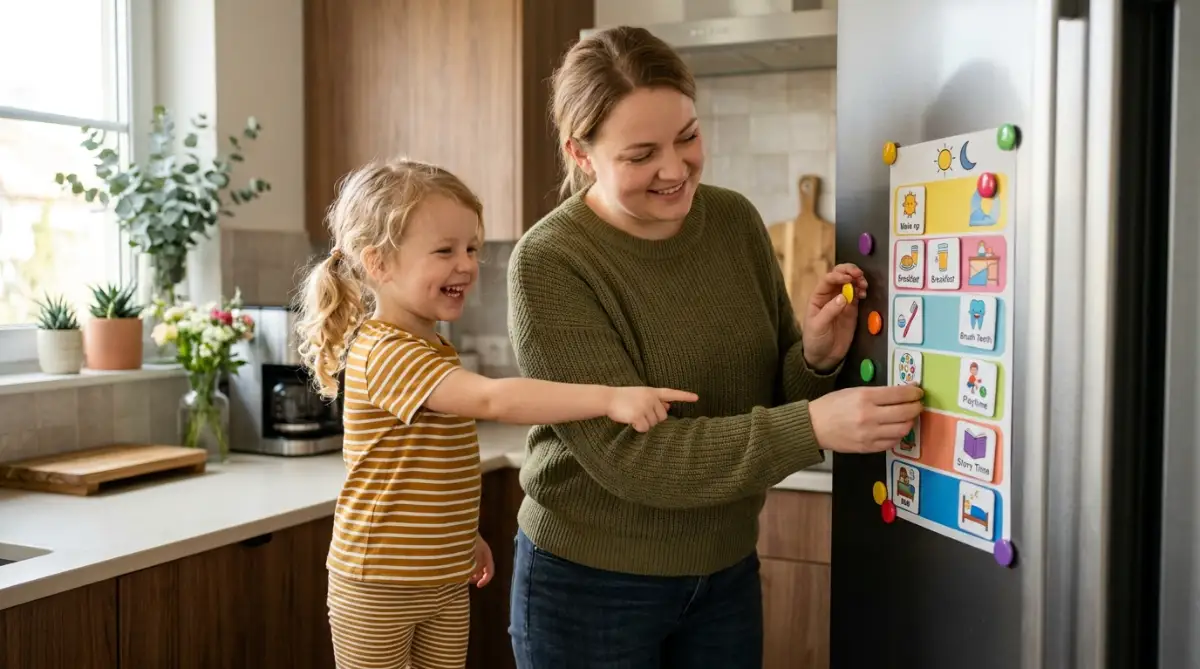
The Hidden Traps That Destroy Family Peace
Even with the best intentions, we often slip into deeply ingrained bad habits without realizing it. These small mistakes might seem harmless at first, but they can slowly erode the trust you have built. Recognizing these common pitfalls is the first step toward stopping them entirely.
When we parent from a place of deep exhaustion, we usually default to how we were raised. If you grew up with yelling, you will naturally yell when you feel totally overwhelmed. Breaking these generational cycles requires intense, conscious effort every single day.
Let's look at some of the most damaging traps that parents easily fall into. If you recognize yourself in any of these, do not feel ashamed. Acknowledging the mistake is exactly How To Be Smart Parents in the real world.
The Danger of Empty Threats
We have all been in a situation where we are desperate for our child to just listen. In that desperate moment, we often throw out a massive, unrealistic threat. "If you don't pick up those toys right now, I am throwing them all in the garbage!"
The problem is, you are never actually going to throw all their expensive toys in the trash. Your child is incredibly smart, and they figure out your bluff very quickly. Once they realize your words mean nothing, they will stop listening to your actual rules entirely.
Making empty threats completely destroys your authority and deeply confuses your child. According to child development experts at Zero to Three on setting limits, consistent, follow-through actions teach boundaries much better than loud, scary threats.
Instead of an empty threat, use a realistic consequence that you can actually enforce immediately. For example, "If you choose to throw the blocks, the blocks will go away until tomorrow." Then, you must actually take the blocks away, calmly and firmly.
I used to make the terrible mistake of threatening to take away screen time for a whole week, which was honestly more punishing for me than for them! I quickly realized that short, immediate consequences connected to the actual behavior work a hundred times better. Once I stopped making massive threats I could not keep, my kids actually started taking my rules seriously.
Over-Praising the Result, Not the Effort
We all want our children to feel wonderful about themselves, so we praise them constantly. We say things like, "You are so smart!" or "You are the best artist in the whole world!" While this sounds incredibly supportive, it can actually cause major anxiety later on.
When you only praise their natural talent or the final result, they become terrified of failing. They might stop trying new, difficult things because they do not want to lose that "smart" label. This is a very common mistake when trying to use positive reinforcement examples.
Instead of praising the final result, you must learn to praise their hard effort intensely. Say something like, "I saw how hard you worked on that math problem, you didn't give up!" This specific praise teaches them that hard work and resilience are what truly matter.
Expecting Adult Logic from a Developing Brain
One of the most frustrating things is explaining why something is dangerous, only to watch them do it again immediately. We think, "I just told them not to touch the hot stove, why did they reach for it?" We wrongly assume their brain works exactly like our adult brain.
A young child's prefrontal cortex—the part of the brain that handles deep logic and impulse control—is barely developed. They literally cannot stop themselves from touching something shiny or interesting, even if they know the strict rule. Expecting perfect impulse control from a toddler is a recipe for daily disappointment.
Instead of long, logical lectures, you must use active physical redirection. If they keep reaching for the dog's tail, gently move them to a completely different room. Understanding this biological limit is a massive part of using positive discipline techniques successfully.
Just like learning how to generate realistic lighting effects in AI portrait creation takes patience and adjusting your approach, shaping a child's behavior requires constant, gentle adjustments based on their current stage of development.
Solving Every Single Problem for Them
It is deeply painful to watch our children struggle or feel sad about a problem. Our first instinct is always to swoop in like a superhero and fix everything immediately. If they cannot build their Lego tower, we reach over and build it for them so they stop crying.
While this stops the immediate tears, it robs them of a massive learning opportunity. If you fix every problem, they will never develop any real frustration tolerance or grit. They will grow up completely helpless, expecting adults to handle every minor inconvenience in life.
You must learn to sit quietly with their frustration without taking over the task entirely. You can offer gentle verbal guidance, but keep your hands completely out of the way. Allowing them to struggle safely is a deeply necessary part of raising confident kids.
Moving Forward: Your Blueprint for a Calmer Home
We have covered a lot of deep emotional ground today, and it might feel a little overwhelming right now. You might be looking at your own daily habits and feeling a heavy sense of guilt. Please let that guilt go immediately, because feeling guilty does not help you or your beautiful children.
Every single morning is a completely blank slate for your family to try again. You do not have to implement every single one of these strategies perfectly by tomorrow morning. Real, lasting change happens through very small, intentional shifts in how you speak and react.
Parenting is arguably the hardest, most relentless job on the entire planet. You are shaping a human life, and that takes immense energy, deep patience, and an open heart. By seeking out these PRICELESS PARENTING HACKS, you are already proving how much you deeply care.
Your Action Plan for Tomorrow Morning
Start by choosing just one single strategy to focus on for the next three days. Maybe you will start by replacing your morning threats with the simple "When/Then" routine. Or perhaps you will focus entirely on giving tight hugs before correcting a bad behavior.
When you make a mistake and yell—because you definitely will—remember to apologize quickly and sincerely. Your ability to repair the emotional connection is far more important than being a perfectly calm robot. Your kids do not need perfection; they just need your honest, loving effort.
The days often feel incredibly long, but these precious childhood years are truly short. Soon enough, the toy clutter will be gone, and the loud tantrums will be a distant memory. The relationship you are building with them right now will last for the rest of their lives.
Keep practicing your deep breathing, keep setting those firm but loving boundaries, and keep showing up. You have all the power inside you to completely change the emotional atmosphere of your home. You are truly learning How To Be Smart Parents, and your incredible family is so lucky to have you guiding them.
Looking back, the days I felt most defeated were the exact days that pushed me to learn these better methods. My home is certainly not perfect today, but the amount of laughter we share now has totally replaced the daily yelling. I promise you, if you just try one of these simple changes starting tonight, you will feel that peaceful shift in your family too.
Disclaimer:
The content provided in this article is for informational and educational purposes only and is not intended as substitute for professional medical, psychological, or behavioral advice. Always consult with a qualified pediatrician or child development specialist regarding any specific concerns about your child's health or behavior.