
Superfoods for an Intelligent Baby: A Complete Guide
You are standing in the middle of the grocery store aisle, staring blankly at the shelves. Your shopping cart is empty, but your mind is incredibly full.
Every single day, expecting mothers like you face a hidden emotional battle. You want to give your growing baby the absolute best start in life. You want to eat perfectly, sleep perfectly, and do everything right.
When I first saw those two pink lines on the pregnancy test, I was overjoyed, but almost immediately, sheer panic set in about what I was supposed to eat. I remember standing in the grocery store aisle, feeling completely dizzy and overwhelmed, staring at a wall of prenatal vitamins and superfoods I could barely pronounce.
Every time I tried to eat salmon or dark leafy greens, my morning sickness hit so hard that I ended up crying over a bowl of plain crackers. I felt like I was already failing my baby's brain development before they were even born, which is exactly why I had to figure out a real, practical system that actually works for exhausted moms like us.
But then reality hits. You wake up feeling dizzy. The mere smell of cooking oil makes your stomach turn. Friends, family, and random internet forums tell you a hundred different things about what to eat.
"Eat more fish," one person says. "No, avoid fish because of mercury!" says another.
This endless stream of conflicting advice destroys your mental peace. Instead of enjoying this beautiful journey, you feel stressed, guilty, and constantly worried if you are doing enough for your baby’s developing mind omega 3 during pregnancy prenatal dietary nutrition smart baby foods healthy eating brain boosting meals
I know exactly how exhausting this feels. The pressure to build a perfect human being from scratch is immense. But let me tell you a secret: you do not have to be perfect.
You just need a clear, simple, and science-backed plan. Today, we are going completely back to basics. We are going to wipe away the confusion and focus only on what actually works.
By making a few smart, manageable changes to your daily routine, you can deeply influence your baby’s cognitive future. You have the power to lay down the foundation for a brilliant, healthy mind.
Let us figure out how to do this together, step by step, without losing your sanity along the way.
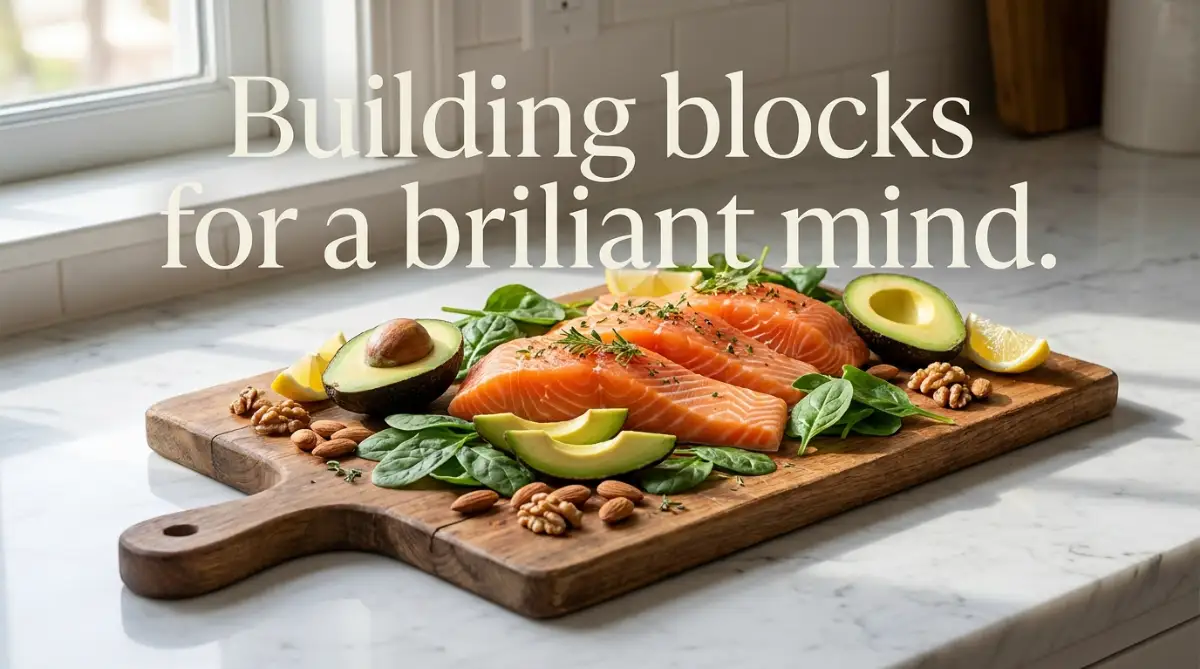
Building a Brilliant Mind: The Core Nutrients
When you are growing a human being, your body acts like a highly advanced construction site. And just like any strong building, a baby’s brain needs the right building materials.
You might think that eating well has to be complicated. The truth is, the most powerful brain-boosting nutrients come from everyday, accessible ingredients.
Let us look at the specific materials your baby’s developing nervous system demands. We will break down exactly how they work and where you can easily find them.
Omega-3 Fatty Acids (The Brain's Brick and Mortar)
If a baby’s brain were a house, Omega-3 fatty acids, specifically DHA, would be the bricks. DHA makes up a massive portion of the human brain and retinas.
When you consume enough DHA, you are directly giving your baby the tools needed for memory, focus, and overall intelligence. The tricky part is that our bodies cannot make DHA on their own.
You have to get it through your diet or through specific supplements.
Where to find it easily:
Salmon is the absolute superstar here. It is packed with high-quality DHA and is generally low in mercury.
If you do not eat fish, walnuts, chia seeds, and flaxseeds are great plant-based options. Keep in mind that plant-based sources provide ALA, which your body has to convert to DHA.
Because the conversion rate is low, many doctors recommend a high-quality algae-based DHA supplement for vegetarian mothers healthy eating for moms pregnancy health habits prenatal vitamins maternal wellness pregnancy diet
A quick tip for daily life: Sprinkle two tablespoons of chia seeds into your morning oatmeal or yogurt. You will not even taste them, but your baby’s brain will definitely thank you.
Choline: The Memory Maker
Choline is an unsung hero in the world of maternal wellness. Most prenatal vitamins do not even contain enough of it.
This nutrient helps form the neurotransmitters responsible for lifelong memory function and learning. Think of choline as the electrical wiring connecting all the rooms in that house we are building.
Research shows that higher choline intake during pregnancy leads to better cognitive test scores in children years later.
Where to find it easily:
Eggs are your best friend when it comes to choline. Specifically, the egg yolks.
Many women throw away the yolk to save calories, but during pregnancy, the yolk is exactly where the magic happens.
If you are tired of boiled eggs, try making a vegetable frittata or scrambled eggs with spinach.
Other good sources include chicken breast, kidney beans, and quinoa.
Folate: The Ultimate Protector
You have probably heard a lot about folic acid or folate. It is heavily emphasized because it prevents neural tube defects in the very early stages of development.
But folate's job does not stop after the first few weeks. It continues to help form healthy brain cells and supports the rapid cell division happening inside your womb.
Where to find it easily:
Dark leafy greens are nature's multivitamin. Spinach, kale, and Swiss chard are loaded with natural folate.
Lentils and beans are also incredible sources that double as great plant-based proteins.
Pro Tip: Your body absorbs iron and folate better when paired with Vitamin C. Squeeze some fresh lemon juice over your spinach salad to maximize the nutritional benefits.
Handling the Bumps: Eating Well When You Feel Terrible
I learned the hard way that forcing myself to eat massive, perfect meals during my first trimester only made my nausea worse and left me totally drained. Now, my ultimate trick is hiding handfuls of spinach and chia seeds inside ice-cold fruit smoothies. Honestly, drinking my nutrients when I could not handle chewing solid food completely saved my sanity and kept my energy stable throughout the hardest weeks.
Knowing what to eat is only half the battle. The other half is actually getting the food down.
When the first wave of morning sickness hits, all your grand plans for eating salmon and kale can go straight out the window. This is entirely normal.
Managing pregnancy nausea is one of the hardest parts of the journey. Do not beat yourself up if all you can eat for a week is plain crackers and toast.
The goal here is survival first, and optimization second. However, there are some clever ways to sneak in nutrition even when you feel awful.
Small, Frequent Bites
An empty stomach makes nausea significantly worse. When stomach acids have nothing to digest, they create that terrible, rolling feeling in your gut.
Instead of three large meals, aim for six tiny meals. Keep a small bag of almonds or dry cereal on your nightstand baby brain development foods pregnancy superfoods prenatal brain supplements foods for smart baby healthy pregnancy diet
Before you even sit up in bed, eat a small handful. This simple trick can drastically reduce morning sickness and give your blood sugar a stable start.
The Magic of Smoothies
When solid food feels impossible to chew, drinking your nutrients is a lifesaver. Smoothies are excellent Nausea relief foods because they are cold, soothing, and easy to digest.
You can hide an incredible amount of brain-building power inside a sweet, fruity drink.
The Brain-Builder Smoothie Recipe:
Take one frozen banana (the cold helps settle the stomach).
Add half a cup of frozen blueberries (packed with antioxidants for brain health).
Throw in a handful of mild spinach (you will not taste it, I promise).
Add a tablespoon of peanut butter or chia seeds.
Blend it all with cold almond milk or coconut water.
This is one of my favorite Prenatal dietary hacks. You get folate, healthy fats, and hydration all in one simple glass.
Hydration: The River of Life
Water is the transportation system of your body. It carries all these amazing superfoods directly through the placenta to your baby.
Dehydration can lead to fatigue, headaches, and even premature contractions. But drinking plain water can sometimes trigger a sensitive stomach.
If plain water makes you feel sick, try infusing it. Drop a few slices of fresh ginger and lemon into your water bottle.
Ginger is one of the oldest and most effective Nausea relief foods in human history. It naturally calms the digestive tract.
Sipping on ice-cold ginger water throughout the day is highly effective for Managing pregnancy nausea while keeping you perfectly hydrated.
Smart Strategies for Your Weekly Routine
Now that we know the ingredients, we need to talk about execution. Without a plan, you will end up ordering takeout when you are too tired to cook.
Pregnancy meal planning does not mean spending five hours on a Sunday chopping vegetables. It means making things easy for your future, exhausted self.
Batch Cooking the Basics
You do not need to prepare entire meals in advance. Just prepare the building blocks.
Boil a dozen eggs on Sunday and keep them in the fridge. Now you have instant choline for snacks or salads.
Wash and dry your leafy greens immediately after buying them. Put a paper towel in the container to absorb moisture, keeping them fresh longer.
Cook a large batch of quinoa or brown rice. Having these complex carbohydrates ready in the fridge saves you 30 minutes every evening.
These small habits transform Pregnancy meal planning from a chore into a seamless part of your week.
Creating a Supportive Environment
You should not have to do this alone. Women health requires a community effort, starting right in your own home.
Sit down with your partner and explain why these specific foods are important for your baby’s brain. Ask them to take over the grocery shopping or the evening cooking.
If the smell of cooking raw meat triggers your aversions, ask your partner to cook it outside on a grill, or buy pre-cooked options for a while.
Maternal well-being is a team sport. Protecting your energy is just as important as eating the right foods.
Decoding Common Food Myths
There is a lot of noise out there. Let us clear up some common misunderstandings about a First trimester diet and beyond.
Myth 1: "You are eating for two."
Reality: This is one of the most persistent and misleading myths. You are not eating for two adults.
You are eating for one adult and a tiny, growing baby. In the first trimester, you generally do not need any extra calories at all.
In the second and third trimesters, you only need about 300 to 450 extra calories a day.
Instead of eating double the food, focus on eating double the nutrients. Choose a handful of walnuts over a second slice of cake.
Myth 2: "All seafood is dangerous."
Reality: Many women avoid fish entirely out of fear. This is a huge missed opportunity for brain development.
You simply need to avoid high-mercury fish like shark, swordfish, and king mackerel.
Low-mercury options like salmon, sardines, and light canned tuna are completely safe and highly recommended up to two to three times a week.
Myth 3: "If I take a prenatal vitamin, I can eat whatever I want."
Reality: Supplements are meant to supplement a diet, not replace it.
A pill cannot provide the complex antioxidants, fibers, and natural enzymes found in whole foods.
Your Pregnancy nutrition guide should always prioritize real food first, using vitamins as an insurance policy to fill in the gaps.
The Power of Rest and Digestion
We cannot talk about nutrition without talking about sleep. Your body does its heaviest lifting while you are resting.
When you sleep, your brain processes the day, and your body focuses on cellular repair and fetal growth. If you are exhausted, your digestion slows down.
Poor digestion means you will not absorb all those amazing nutrients you worked so hard to eat.
Healthy eating for moms goes hand-in-hand with healthy sleeping habits. Try to stop eating heavy meals at least two hours before bed to prevent heartburn.
If you need a bedtime snack to keep nausea away, make it light. A small piece of cheese or half a banana is perfect.
Customizing Your Approach
Every single body is beautifully unique. What works for your best friend might not work for you.
Some women crave spicy foods, while others can only handle mashed potatoes. Listen closely to what your body is telling you.
If you are struggling heavily with your First trimester diet, give yourself grace. The baby is incredibly resilient and will take what it needs from your body's reserves.
As you move into the second trimester, your energy usually returns, and your food aversions often fade. Use that golden period to load up on superfoods.
Essential Vitamins and Supplements
Even with the most perfect diet in the world, modern farming soils are sometimes depleted of minerals. This is why supplements are a non-negotiable part of modern maternity care.
When choosing a prenatal supplement, read the back label carefully.
Look for these specific forms:
Folate instead of synthetic Folic Acid (Folate is much easier for your body to absorb naturally).
Iron in a gentle, non-constipating form (like Iron Bisglycinate).
A solid dose of Vitamin D3, especially if you live in a colder climate with little sunshine.
Vitamin D is closely linked to immune system development and bone health. Many doctors recommend an extra Vitamin D supplement alongside your regular prenatal.
Remember, these are essential Health tips to discuss with your personal healthcare provider. Always get a blood test to see your exact baseline levels before adding high doses of individual vitamins.
A Quick Comparison Table: Standard Diet vs. Brain-Building Diet
If you are still feeling a bit overwhelmed by meal planning, check out this quick and super helpful video below. It breaks down some amazing visual examples of pregnancy superfood swaps that you can easily copy in your own kitchen today!
Using simple swaps like these makes Healthy eating for moms incredibly practical. You do not have to give up eating delicious food; you just upgrade the ingredients.
Real-Life Application: A Day in the Life
Let us map out what a highly nourished, brain-building day actually looks like. This is not a strict rulebook, but rather a flexible template.
Early Morning:
You wake up feeling a bit uneasy. You reach for two plain whole-wheat crackers on your nightstand.
You sip some room-temperature water with a tiny slice of lemon. You wait ten minutes before getting out of bed.
Breakfast:
You make a two-egg omelet with a handful of chopped spinach.
You pair it with one slice of whole-grain toast and a smear of avocado.
You take your daily prenatal vitamin with this meal because the fats in the egg and avocado help you absorb the fat-soluble vitamins (A, D, E, and K).
Mid-Morning Snack:
You feel your energy dropping. You grab an apple and a small handful of walnuts.
The fiber in the appl