
The Hidden Struggles of Early Pregnancy Eating
You wake up feeling a mix of incredible joy and overwhelming exhaustion. You are growing a tiny human, and that thought alone brings a smile to your face. But then, you walk into the kitchen.
Suddenly, the smell of your favorite morning coffee makes your stomach turn upside down. The eggs you usually love now seem absolutely repulsive. You want to eat healthy for your baby, but simply looking at food makes you feel completely sick.
This is the harsh reality that so many expecting mothers face during their early weeks. You read everywhere about how important nutrition is right now. Yet, keeping even a slice of toast down feels like an Olympic sport.
I still vividly remember the morning I found out I was expecting; I was thrilled, but within a week, even the thought of my favorite morning coffee made me run for the bathroom. I spent days crying on the sofa, feeling terribly guilty because all I could manage to eat were plain saltine crackers while worrying my baby wasn't getting enough nutrients. It took me weeks of trial and error to realize that survival mode is completely normal, and finding what worked for my stomach changed everything
It is incredibly frustrating when your mind wants a perfect green smoothie, but your body only accepts dry crackers. This daily battle can steal your peace of mind and leave you feeling guilty. You might worry that you are not providing enough nutrients for your growing baby.
I want to tell you right now to take a deep breath and let go of that guilt. The first few months are mostly about survival, and your baby is getting what they need from your body's reserves. You are definitely not alone in this struggle.
Today, we will walk through some of the best practical strategies to help you eat well without feeling awful. Let us explore exactly how you can nourish your body while being kind to your highly sensitive stomach.
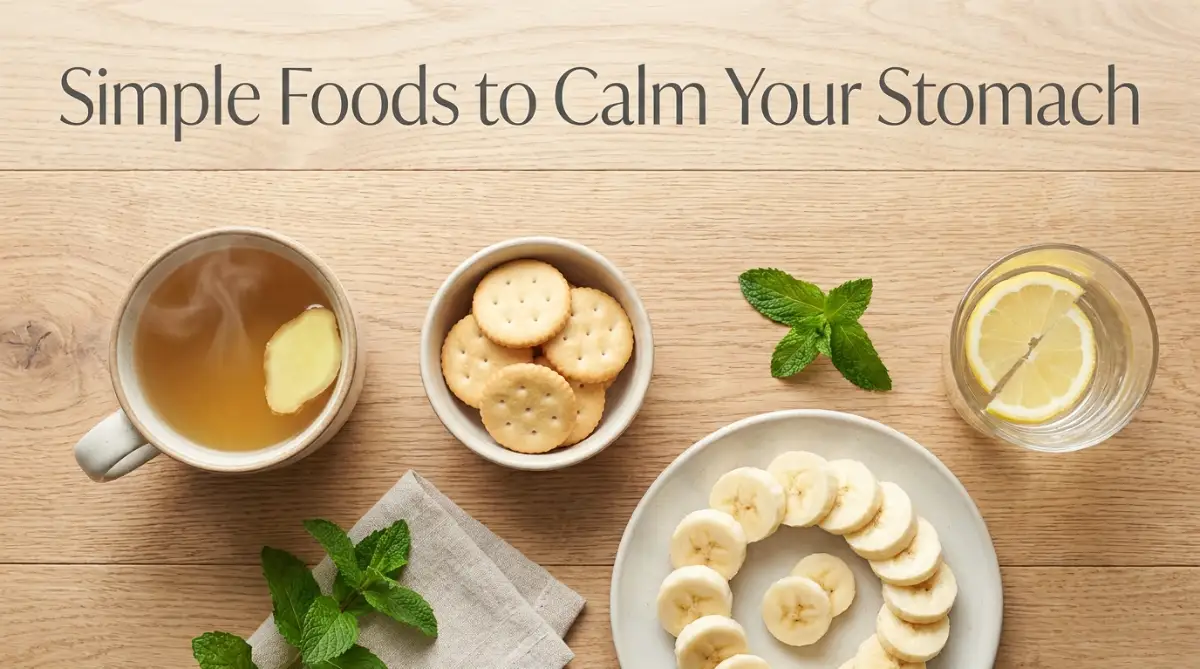
Building Your Nutritional Foundation Without the Nausea
Figuring out what to eat when everything makes you gag is a tough puzzle. However, understanding what your body actually needs right now can help you make better choices. You do not need to eat huge, heavy meals to get the right nutrients.
In fact, small adjustments make the biggest difference during these early weeks. Let us look at how you can sneak in the right vitamins without triggering your gag reflex Early pregnancy foods First trimester nutrition Foods to eat during early pregnancy Dealing with pregnancy nausea First trimester meal ideas.
Focus on Folate-Rich Snacks
Folate is incredibly important for your baby's neural tube development in the early stages. But you do not have to force yourself to eat massive bowls of raw spinach if you hate it. There are much gentler ways to get this nutrient.
Try eating small portions of fortified cereals dry straight from the box. They are crunchy, usually easy on the stomach, and packed with added vitamins. You can also snack on a handful of peanuts or sunflower seeds throughout the day.
If you can tolerate fruits, oranges and avocados are fantastic sources of natural folate. A cold orange might even taste refreshing and help settle your upset stomach.
Iron For Energy
You probably feel more tired right now than you ever have in your entire life. Your body is working overtime to produce more blood, which requires plenty of iron. But iron pills or heavy red meats can make you feel even more sick.
Instead of heavy steaks, try getting your iron from plant-based sources that are easier to digest. Fortified oatmeal is a great choice, especially when eaten warm and plain. Lentil soup is another comforting option that provides a gentle iron boost.
To help your body absorb this iron better, pair it with vitamin C. Having a small glass of lemonade with your oatmeal is a simple trick. This helps keep your energy up without upsetting your digestive system Early pregnancy foods Dealing with pregnancy nausea First trimester meal ideas Pregnancy health tips Nausea relief foods
Vitamin B6: Your Secret Weapon
Did you know that Vitamin B6 is clinically proven to help reduce early pregnancy sickness? Adding foods rich in this vitamin can be a game changer for your daily comfort. It acts as a natural remedy for your upset stomach.
Bananas are one of the best sources of Vitamin B6. They are soft, have a very mild smell, and are incredibly easy to digest. Keep a bunch on your kitchen counter for quick, accessible snacking.
Baked potatoes and lean chicken breast are also excellent sources if you can handle warm foods. A plain baked potato with just a tiny pinch of salt can sometimes be the only thing that stays down. Listen to your body and stick to these bland but nutritious options.
Clever Tricks for Dealing with Pregnancy Nausea
Finding the right foods to eat during early pregnancy is only half the battle. How and when you eat them matters just as much. You need practical strategies to trick your body into accepting food.
Let us look at some highly effective methods to keep your stomach calm. These small habits can completely transform how you feel throughout the day.
The Magic of the Morning Crackers
Your stomach acid builds up overnight while you sleep. When you wake up with an empty stomach, that acid causes intense sickness. This is why morning sickness hits so hard the moment you open your eyes.
Before you even lift your head off the pillow, reach for some plain saltine crackers. Keep a small box right on your nightstand every single night. Eat two or three slowly while still lying down.
Wait about fifteen minutes before you slowly get out of bed. This small amount of dry starch absorbs the excess stomach acid beautifully. It is one of the most effective Health tips for expecting mothers.
Master the Art of Grazing
The traditional concept of eating three large meals a day does not work right now. An empty stomach makes you nauseous, but a very full stomach makes you feel just as bad. The key is to find the perfect middle ground.
You need to become a "grazer" who eats tiny amounts of food constantly. Aim to have a few bites of something plain every two hours. This keeps your blood sugar stable and stops nausea in its tracks.
Keep small bags of dry cereal, pretzels, or almonds in your purse at all times. Never let yourself get to the point where you feel genuinely hungry. Prevention is always better than trying to fix an already upset stomach.
Temperature Matters More Than You Think
Hot foods naturally release more odors into the air. When you are highly sensitive to smells, a hot meal can instantly ruin your appetite. Changing the temperature of your meals can solve this problem.
Try eating your meals cold or at room temperature. A cold pasta salad with light dressing is much easier to manage than a steaming plate of hot spaghetti. Cold sandwiches, smoothies, and chilled fruits are excellent choices.
If you must cook, turn on the exhaust fan and open the windows. Even better, ask your partner or family member to handle the cooking for a few weeks. Protecting yourself from strong kitchen smells is totally okay First trimester nutrition Foods to eat during early pregnancy First trimester meal ideas Pregnancy meal planning Healthy eating for moms.
Powerful Nausea Relief Foods to Keep Nearby
Some specific items are simply magical when it comes to settling a difficult stomach. You should always keep these Nausea relief foods stocked in your pantry. They are lifesavers when nothing else sounds good.
Fresh Ginger:
Ginger has been used for centuries as a natural stomach calmer. You can sip on warm ginger tea or chew on crystallized ginger candies. Even smelling a freshly cut slice of ginger root can provide instant relief.
Lemon Water:
Sometimes plain water tastes metallic or heavy during early pregnancy. Squeezing fresh lemon juice into ice-cold water makes it much more appealing. The tart flavor and fresh scent help cut through the feeling of sickness.
Watermelon:
When you cannot drink enough fluids, you can eat them instead. Watermelon is mostly water and contains natural sugars for a quick energy boost. It is cold, refreshing, and usually very easy to keep down.
Plain Toast:
When we say plain, we mean completely dry or with just the tiniest scrape of butter. The complex carbohydrates give you energy without overwhelming your system. It is a staple item in any good First trimester diet.
Rethinking Hydration During the Early Weeks
Staying hydrated is absolutely necessary, but drinking large glasses of water might make you gag. Women health experts always emphasize hydration, but they know it can be a real challenge right now. Dehydration can actually make your nausea much worse, creating a vicious cycle.
If plain water makes you feel sick, you have to get creative with your fluids. Do not force yourself to chug water if it is going to come right back up. Try sipping fluids slowly through a straw throughout the day instead.
Popsicles are a brilliant way to get your fluids in slowly. You can make your own by freezing diluted fruit juices or coconut water. Sucking on an ice cube can also give you hydration without filling your stomach too quickly.
Separating your food and drinks is another fantastic strategy. Try not to drink liquids while you are eating your meals. Drink your water 30 minutes before or 30 minutes after you eat solid foods to prevent feeling overly full.
Expert Pro Tip Box: Hydration Hacks
If you struggle with plain water, try adding frozen fruit instead of regular ice cubes. Frozen strawberries or peaches add a very mild, pleasant flavor. You can also try sparkling water, as the gentle carbonation sometimes helps relieve gas and bloating.
First Trimester Meal Ideas That Actually Work
Planning meals when you feel terrible can be incredibly overwhelming. Pregnancy meal planning does not have to mean cooking elaborate, complicated dishes. Keep everything as simple and straightforward as possible.
Here are some very gentle First trimester meal ideas to try. These are focused on being bland, easy to digest, and quick to prepare.
Breakfast Options:
A bowl of plain oatmeal with a few sliced bananas on top.
A piece of whole-wheat toast with a thin layer of smooth peanut butter.
A cold fruit smoothie made with yogurt, frozen berries, and a handful of spinach (you won't even taste the spinach).
Lunch Options:
A mild chicken broth soup with a few saltine crackers on the side.
A cold turkey and cheese wrap (ensure the deli meat is heated first for safety, then cooled).
A small bowl of plain pasta tossed with a little bit of olive oil and parmesan cheese.
Dinner Options:
A plain baked sweet potato topped with a dollop of Greek yogurt.
A small portion of baked salmon (if you can handle the smell) with a side of white rice.
Scrambled eggs with a piece of dry toast.
Notice how simple these meals are? You do not need to be a gourmet chef right now. Healthy eating for moms is all about finding what works for your unique body today.
Demystifying Pregnancy Diet Myths
There is so much conflicting advice on the internet about what to eat. Well-meaning friends and family members might also give you advice that stresses you out. Let us clear up some common myths to give you peace of mind.
Myth 1: You Must "Eat for Two" Immediately
Many people believe that the moment you see a positive test, you need double the calories. This is completely false and can actually make you feel uncomfortably bloated. During the first three months, your baby is the size of a tiny seed.
You do not actually need any extra calories during this phase. You should just focus on eating your normal amount, broken up into smaller meals. Only in the later months will you need a slight increase in daily calories.
Myth 2: If You Don't Eat Vegetables, Your Baby Will Suffer
It is completely normal to have a strong aversion to green vegetables right now. The thought of broccoli might literally make you run to the bathroom. Do not panic if your diet currently consists entirely of bagels and fruit.
Your prenatal vitamin is there to fill in these nutritional gaps. Your body will smartly pull stored nutrients to ensure your baby gets exactly what they need. Eat the vegetables when you feel better in a few weeks.
Myth 3: Cravings Mean Your Body Lacks Specific Nutrients
If you suddenly crave pickles and ice cream, it does not mean you are lacking sodium and calcium. Pregnancy hormones rapidly change your taste buds and sense of smell. These hormones are entirely responsible for those weird midnight food desires.
It is perfectly okay to give in to these cravings in moderation. If eating a bowl of mac and cheese makes you happy and stays down, enjoy it. Mental relief is just as important as physical nutrition.
Building a Stress-Free Grocery List
Going to the grocery store when you feel sick is a terrible experience. The mixed smells of the seafood counter and the bakery can be a total disaster for your stomach. You need a solid plan before you step foot in the store.
Consider using a grocery delivery app if your budget allows for it. This saves you from walking through aisles of triggering smells. If you must go, go right after you have eaten a small snack to keep your stomach settled.
Here is a simple, stomach-friendly grocery list to keep things easy. This list focuses on items that require zero to minimal cooking.
Pantry Essentials:
- Saltine or oyster crackers
- Pretzels and rice cakes
- Plain oatmeal and dry cereals
- Peanut butter or almond butter
- Canned peaches or pears (in water, not heavy syrup)
- Ginger tea bags
Fridge & Freezer Staples:
- String cheese or mild cheddar cubes
- Plain Greek yogurt
- Fresh lemons and ginger root
- Popsicles (fruit-based)
- Frozen berries and bananas for quick smoothies
- Mild chicken broth or bone broth
Having these items on hand makes Pregnancy meal planning so much easier. You can grab something quickly the moment you feel a slight hunger pang. This preparation is one of the best Prenatal dietary hacks you can use.
Managing the Emotional Toll of Food Aversions
We need to talk about how hard this phase is on your mental health. Food is naturally tied to comfort, social gatherings, and daily pleasure. When you suddenly cannot enjoy food, it feels very isolating.
You might feel bad declining dinner invitations from your close friends. You might feel frustrated watching your partner eat your favorite meal while you chew on plain ice. It is okay to feel sad about losing the joy of eating temporarily.
Communicate openly with your partner and family about your food boundaries. Tell them nicely that you cannot handle certain cooking smells right now. A supportive environment makes Dealing with pregnancy nausea much more bearable.
Remind yourself constantly that this is a temporary season. For most women, the intense aversions and morning sickness start fading around week 12 to 14. You will eventually enjoy a hot slice of pizza again.
Until then, give yourself permission to survive on whatever works. If a plain bagel is the only thing keeping you going, that bagel is a perfect meal. Managing pregnancy nausea requires grace, patience, and a lot of self-compassion.
The Role of Prenatal Vitamins in Your Diet
Since your daily meals might look a bit strange right now, your prenatal vitamin is your best friend. It acts as an insurance policy for your baby's development. But ironically, these large pills can sometimes make your sickness worse.
The iron in traditional prenatal vitamins is notorious for upsetting empty stomachs. If your pill makes you gag, do not just stop taking it without a backup plan. There are several ways to make taking your vitamins easier.
Smart Ways to Take Your Vitamins
Try taking your prenatal vitamin right before you fall asleep at night. If you take it on a mildly full stomach and then sleep, you might sleep right through the nausea. This is a very common trick recommended by doctors.
If swallowing a large pill makes you gag, ask your doctor about gummy vitamins. Gummy prenatal vitamins usually do not contain iron, which makes them much gentler on the stomach. They taste like candy and are much easier to keep down.
You can also try splitting your vitamin in half if it is a tablet. Take one half in the morning with a snack, and the other half at night. Always consult your healthcare provider before changing how you take your supplements.
A Simple 3-Day Diet Routine for Nausea Relief
"If reading through meal plans feels a bit overwhelming right now, watch this quick video below where an expert breaks down exactly how to prep simple, nausea-friendly meals in under 5 minutes. After watching, keep reading to grab my exact 3-day easy diet routine that you can start using today!"
Sometimes, reading about food isn't enough; you need an exact plan to follow. Here is a very gentle, realistic 3-day routine focused on First trimester nutrition. You can mix and match these days based on how you feel.
Day 1: The Extremely Sensitive Day
- 7:00 AM (In Bed): 3 plain saltine crackers.
- 8:00 AM: 1 slice of dry toast and a few sips of ginger tea.
- 10:30 AM: Half of a cold apple, peeled and sliced thin.
- 1:00 PM: Small cup of warm, clear chicken broth.
- 3:30 PM: A handful of dry Cheerios or similar fortified cereal.
- 6:00 PM: Half of a plain baked potato with a pinch of salt.
- 8:30 PM: A few cubes of cold watermelon.
Day 2: The "Feeling a Bit Better" Day
- 7:00 AM (In Bed): 2 dry pretzels.
- 8:30 AM: Plain oatmeal made with water, topped with sliced bananas.
- 11:00 AM: A small serving of plain Greek yogurt.
- 1:30 PM: Cold pasta salad with olive oil and a little cheese.
- 4:00 PM: A fruit popsicle and a few almonds.
- 6:30 PM: A small turkey wrap (cold) with plain lettuce.
- 9:00 PM: Half a piece of toast with peanut butter.
Day 3: The Energy-Boosting Day
- 7:00 AM (In Bed): 3 plain crackers.
- 8:30 AM: Scrambled egg (well-cooked) with a slice of whole-wheat toast.
- 11:00 AM: Orange slices and a string cheese.
- 1:30 PM: Lentil soup with a squeeze of fresh lemon juice.
- 4:00 PM: A cold berry and spinach smoothie.
- 7:00 PM: Small piece of baked chicken with white rice.
- 9:30 PM: Warm chamomile tea and a single plain biscuit.
This type of structured Pregnancy meal planning removes the daily stress of deciding what to eat. You can just look at the list and pick whatever sounds the least offensive to your stomach.
Decoding Your Body's Unique Signals
Every single pregnancy is completely unique. What works wonderfully for your best friend might make you feel terrible. You have to become an expert at listening to your own body's quiet signals.
If you suddenly feel a craving for something specific, try to eat it right away. Pregnancy cravings can disappear just as quickly as they arrive. Capitalize on those moments when you actually feel like eating.
On the other hand, if a food you usually love suddenly smells weird, do not force it. Your body has an incredible, natural defense mechanism right now. It will tell you very clearly what it wants and what it rejects.
Keep a very simple food journal on your phone. Jot down what you ate and how you felt an hour later. After a week, you will clearly see which Early pregnancy foods are your personal safe choices.