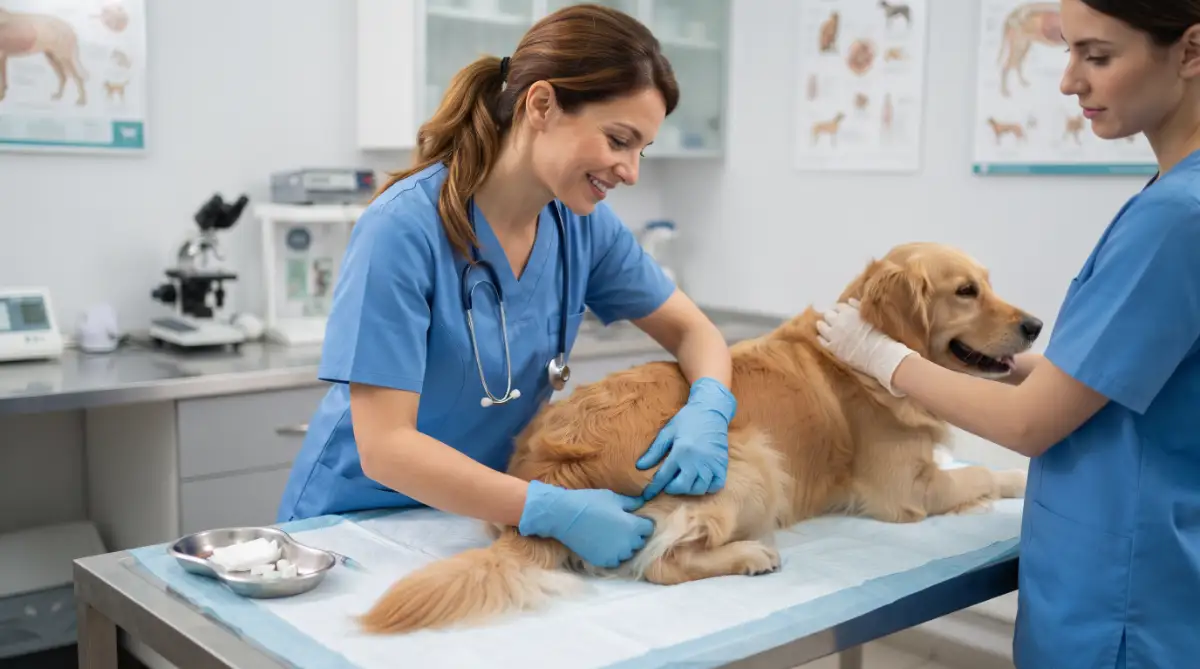
Why Do Dogs Get Anal Gland Problems? Hidden Causes Explained
Imagine you are hosting a lovely weekend dinner party. The food is perfect, the guests are laughing, and everything feels great. Suddenly, your sweet Labrador retriever plops down right in the middle of your expensive living room rug.
I still remember the exact moment my golden retriever, Max, decided to do the dreaded "scoot" across my living room rug while I had friends over. I was so embarrassed by the awful smell, but looking back, I realize how much silent pain he was actually in. It took me months of stressful vet visits and endless internet searches before I finally understood how to fix this messy problem for good.
Before you can react, he starts dragging his rear end across the floor in a bizarre, scooting motion. Your guests pretend not to notice, but the awkward silence is loud. Then, the smell hits the room.
It is an unmistakable, foul, deeply unpleasant fishy odor that makes everyone secretly want to step outside. You feel incredibly embarrassed, rushing to grab pet-safe wipes and clean the carpet.
But beneath that immediate embarrassment is a deep, sinking feeling of worry for your furry best friend. You know he is not trying to ruin your party. He is doing this because he is in active discomfort by impacted anal glands in dogs.
When a dog drags their bottom on the ground, excessively licks their rear, or suddenly releases a horrible smell, they are completely desperate for relief. They cannot use words to tell you that something feels full, itchy, or painful back there.
Instead, they rely on these physical signs, hoping you will understand. Many pet parents feel highly confused and frustrated when this happens. You buy the best food, you walk them daily, and you give them endless love.
Why does this specific, messy problem keep returning? The reality is that this discomfort drains your mental peace. You constantly worry if today is the day your dog will leave a smelly surprise on the couch.
You stress about sudden vet visits and the uncomfortable process of getting the issue manually fixed. It feels like a never-ending cycle of worry, odor, and cleaning.
But you are definitely not alone in this struggle. Understanding exactly what is happening inside your dog’s body is the very first step toward breaking this cycle and giving your best friend the lasting relief they deserve.
What Are These Scent Sacs Anyway? (A Quick Anatomy Lesson)
To understand why things go wrong, we first need to look at how a healthy dog body is supposed to work. Every single dog has two small internal pouches located just inside their rear end.
If you picture a clock face, these small sacs sit right around the 4 o'clock and 8 o'clock positions. These are not just useless pieces of tissue impacted anal glands in dogs.
They are tiny storage tanks designed to hold a special, highly concentrated liquid. Think of this liquid as your dog's personal business card.
In the wild, when dogs leave their droppings, a small amount of this smelly liquid is squeezed out. It coats the stool, leaving a unique scent message for other animals in the neighborhood.
This message tells other dogs who was there, how healthy they are, and marks their specific territory. It is a completely natural and deeply ingrained part of canine communication.
The Natural Squeeze Mechanism
When everything works perfectly, you will never even notice these sacs exist. Every time your dog goes to the bathroom, the firm stool creates outward pressure.
This physical pressure acts like a natural massage. It gently squeezes those internal pouches, pushing the liquid out through tiny hidden tubes called ducts.
The storage tanks empty out naturally, the pressure is relieved, and your dog walks away feeling completely fine. There is no scooting, no pain, and no random fishy smells on your furniture.
The problem only starts when this natural squeezing mechanism breaks down. When the liquid stays trapped inside, it continues to build up day after day.
The Core Reasons Your Dog's System Stops Working
Now that we know how things are supposed to work, we can look at the main reasons this natural process completely fails. It is rarely just one single thing.
Often, it is a combination of diet, anatomy, and lifestyle that creates the perfect storm for gland trouble. Let us break down the exact reasons why your dog is experiencing this frustrating issue.
Reason 1: The Dietary Fiber Deficit
This is by far the most common reason dog owners face this messy issue. It all comes down to the size and texture of your dog's daily bathroom habits.
As we talked about earlier, a dog needs strong, bulky, and firm stool to physically press against those internal sacs. If the stool is too soft, too small, or constantly mushy, it simply glides out without creating any pressure at all dog anal sac disease.
Think about trying to squeeze water out of a thick sponge using only a feather. It just will not work because there is not enough force.
When your dog's stool is consistently soft, the liquid inside those sacs just sits there. Over time, that thin liquid starts to dry out and thicken.
It changes from a watery substance into a thick, gritty paste. Once it becomes a thick paste, it is nearly impossible for the dog to push it out naturally.
Real-Life Scenario: Many owners switch their dogs to highly expensive, premium grain-free diets hoping to improve their health. While these diets use great protein, they sometimes lack the bulky, rough fiber that cheaper grain-inclusive diets naturally have.
Without that extra fiber, the dog's stool shrinks in size. It might look healthy and clean to the owner, but internally, it is no longer large enough to press against the internal scent tanks.
Quick Comparison: Healthy vs. Unhealthy Dog Poop
If you notice your dog's droppings belong in the bottom three rows of this table, you have likely found the root cause of their scooting problem.
Reason 2: Hidden Food and Environmental Allergies
When we think of a dog with allergies, we usually picture them scratching their ears, chewing on their paws, or having red spots on their belly. We rarely connect allergies to their rear end.
However, the skin around a dog's bottom is highly sensitive. It reacts to allergic triggers exactly the same way the skin on their paws does foul fishy smell dog.
When a dog is allergic to chicken, beef, or even pollen in the grass, their immune system highly overreacts. This allergic reaction releases a chemical called histamine into the blood.
Histamine causes the skin all over the body to become red, hot, swollen, and extremely itchy. Now, remember those tiny exit tubes we mentioned earlier?
The tubes that let the smelly liquid out are incredibly narrow. When the skin around the rear end swells up from an allergic reaction, those tiny tubes get completely pinched shut.
Even if your dog has perfect, firm stool, the liquid cannot escape because the door is locked shut by swollen tissue.
The Itch Cycle: Because the skin is itchy from the allergy, the dog will start licking their rear to soothe the itch. A dog's tongue is rough like sandpaper.
Constant licking damages the delicate skin even more, causing greater swelling and totally blocking the exit paths. The trapped fluid then builds up pressure, causing intense pain.
Myth vs. Reality in Dog Behavior
Myth: If a dog is dragging their bottom on the grass, they definitely have stomach worms.
Reality: While worms can cause itching, scooting is far more likely a direct sign of blocked internal scent sacs or severe skin allergies.
Reason 3: The Overweight Dog Struggle
We all love spoiling our pets with extra treats. A piece of cheese here, a dropped hot dog there.
But carrying extra body weight completely changes a dog's internal anatomy. When a dog gains too much weight, they develop extra layers of fatty tissue all around their body.
This extra fat heavily pads the area around their rear end. When the dog goes to the bathroom, that thick layer of fat acts like a heavy cushion canine digestive health.
It absorbs all the pressure from the firm stool. The pressure never reaches the internal scent sacs, meaning they never get the squeeze they need to empty out.
Besides the extra fat, overweight dogs generally have much weaker muscle tone. They do not run, jump, or play as hard as lean dogs do.
The muscles located around their tail and lower body become soft and weak. These specific muscles actually help provide the natural squeezing action during bathroom breaks.
When the muscles are weak and the area is covered in excess fat, the internal storage tanks become totally inactive. They just sit there, slowly filling up until they cause severe discomfort.
Pro Tip for Pet Parents: You should easily be able to feel your dog's ribs when you run your hands along their sides. If you have to press down hard through a layer of squishy fat to feel the ribs, your dog might need a lighter diet to help their internal systems work right.
Reason 4: Breed Genetics and Anatomical Quirks
Sometimes, you can do absolutely everything perfectly. You feed a high-fiber diet, keep your dog perfectly lean, and manage all their allergies.
Yet, they still suffer from constant scooting and fishy smells. In these cases, the problem is completely hardwired into their genetics.
Certain dog breeds are simply built in a way that makes this natural process incredibly difficult. Small and toy breeds are the most common victims of this genetic lottery.
Breeds like Pugs, Chihuahuas, French Bulldogs, Miniature Poodles, and Bichon Frises show up at the vet clinic for this problem more than any other dogs. Why does this happen?
In many small dogs, the internal scent sacs are physically located completely wrong. Instead of sitting right near the exit where the stool can easily press against them, the sacs are buried deep inside the muscle tissue soft stool dog.
Because they are positioned so deeply, even the biggest, firmest stool simply passes by without ever touching them. The internal plumbing is basically set up backward.
Also, some dogs are born with exit tubes that are simply too narrow. It is like trying to drink a thick milkshake through a tiny coffee stirrer straw.
Even if the liquid is completely normal and healthy, it struggles to flow out through such a small opening. For these specific breeds, completely curing the problem is hard, and it usually requires lifetime management.
Reason 5: The Ripple Effect of Sudden Tummy Bugs
Have you ever noticed that your dog's scooting behavior often starts a week or two after they had an upset stomach? There is a direct and logical connection here.
Let us say your dog finds something nasty in the garbage can on a Tuesday. By Wednesday, they have a bad case of watery diarrhea.
You feed them boiled chicken and rice, and by Saturday, they are feeling completely fine again. You think the whole problem is fully resolved.
However, during those few days of watery bathroom breaks, there was absolutely zero pressure placed on the internal scent tanks. The liquid inside started to sit still and thicken.
More importantly, severe diarrhea is highly acidic and full of bad bacteria. As the liquid mess passes through, it severely irritates the delicate tissue at the exit point.
This causes hidden swelling. So, even though the stool is firm again by Sunday, the exit tubes are now swollen shut from the previous days of irritation.
The thickened paste inside the sacs cannot get out through the swollen tubes. A week later, your dog is completely miserable, dragging their bottom across your clean floor.
It is a delayed reaction. You might not connect the weekend tummy bug to the current scooting problem, but they are directly linked.
Understanding the Physical Changes (From Liquid to Solid)
To truly understand why your dog needs your help, you have to picture what happens to the fluid inside those sacs over time. When healthy, the liquid is thin, yellowish, and flows easily like water.
When a dog fails to empty these tanks for weeks, the body naturally starts to absorb the water out of the fluid. The liquid gets thicker and darker.
It turns into a muddy consistency, almost like wet sand. At this stage, your dog will aggressively lick their rear, trying to stimulate the area dog scooting causes.
If the issue continues ignored, the muddy fluid turns into a completely dry, hard paste. It looks and feels almost like thick clay doghealth.
At this final stage, the internal tank is stretched to its absolute maximum limit. The skin around the area might look red, bulging, and angry.
This is highly painful for the dog. Sitting down hurts. Walking up the stairs hurts. Wagging their tail even causes a sharp pulling pain.
They might suddenly snap at you if you try to touch their lower back or brush their tail. This is not bad behavior; this is a clear reaction to severe physical pain.
If the hard paste cannot escape naturally, the body creates an aggressive inflammatory response. The area becomes infected, leading to a highly dangerous abscess that can literally burst through the skin.
You absolutely want to stop the problem long before it ever reaches this scary stage.
The Mental Toll on Your Dog
We often focus deeply on the physical signs of this problem, but the mental stress on your dog is equally heavy. Dogs are naturally highly clean animals.
They do not like feeling messy or smelling foul. When their rear end constantly leaks a horrible odor, it makes them feel highly vulnerable and anxious.
You might notice your dog hiding under the bed or spending unusually long hours in their crate. They might seem completely uninterested in their favorite toys or refuse to go on their normal daily walks analgland.
When they constantly stop in the middle of a walk to bite at their tail, it shows their brain cannot focus on anything else but the itch and the pressure. The constant discomfort makes them irritable and tired.
As a caring pet parent, watching your bright, energetic dog turn into a restless, uncomfortable shadow of themselves is deeply upsetting. The good news is that almost all of these root causes can be managed, improved, or entirely prevented directly from your own home.
By understanding whether your dog lacks fiber, suffers from hidden allergies, carries too much weight, or just has unlucky genetics, you can finally take complete control of their health.
(This educational guide provides the foundation for understanding canine anatomical health. Always observe your dog's unique signs to determine which specific underlying cause is affecting their daily comfort.)
Professional Strategies for Lasting Gland Relief
We all dream of a quiet, peaceful evening at home without the sudden panic of our dog scooting across the carpet. Achieving this peace of mind is entirely possible.
You just need to shift your focus from treating the immediate symptom to fixing the underlying bodily system. Managing your dog's internal health does not require a degree in veterinary medicine for petcare.
It simply requires consistency and a solid understanding of how their digestive plumbing works. Let us look at some highly effective, expert-level adjustments you can start making today.
These practical steps will help keep those internal storage tanks completely empty and your dog feeling wonderfully comfortable.
The Magic of Natural Dietary Fiber Additions
When pet parents ask me how to fix soft stool, my first answer is always natural fiber. Fiber is the ultimate secret weapon for creating that perfect, bulky stool we talked about earlier.
Think of dietary fiber as an internal sponge. As it moves through your dog's digestive tract, it soaks up excess water and gives the stool a solid, heavy shape.
When this heavy, solid shape passes through the exit door, it naturally presses against those hidden scent sacs. The absolute best and most accessible source of natural fiber is 100% pure canned pumpkin.
You can find this in almost any grocery store in the baking aisle. Just make absolutely sure you are buying plain pumpkin puree, not the sweetened pumpkin pie filling.
A single tablespoon of pure pumpkin mixed into your dog's dinner can completely change their bathroom habits in just a few days. Another amazing option is plain psyllium husk powder.
I made the huge mistake of completely ignoring Max's soft poops for years, thinking he just had a sensitive tummy. Once I finally started mixing a little plain pumpkin into his evening meals, the scooting stopped entirely within a week! Trust me, paying attention to their bathroom habits is the easiest way to save yourself a ton of cleanup and worry.
Veterinary nutrition experts often recommend specific fiber sources because they gently regulate the gut without causing excess gas. According to specialists in canine clinical nutrition at Tufts University, adding the right type of soluble fiber can dramatically improve a dog's overall digestive function.
Just a small pinch of psyllium husk sprinkled over their morning kibble acts like a gentle broom, sweeping the digestive tract clean and firming everything up for VeterinaryAdvice.
Hydration: The Unsung Hero of Digestion
We talk a lot about making the stool firm, but we also need to make sure it moves smoothly. This is where proper hydration becomes incredibly important for your furry friend.
If your dog eats a heavily dry kibble diet and does not drink enough water, their stool becomes too dry and hard. When stool is like hard little pebbles, it causes your dog to strain heavily during bathroom breaks.
This heavy straining creates intense swelling around the exit tubes, locking the smelly liquid inside. To prevent this, you need to encourage your dog to drink more liquids throughout the day.
Pro Tip for Picky Drinkers: If your dog ignores their water bowl, try adding a splash of unsalted, dog-safe bone broth to their water. The rich, meaty smell will easily convince them to drink the whole bowl, keeping their internal systems perfectly lubricated.
Rebuilding Lower Body Muscle Tone
We often forget that going to the bathroom is a highly physical activity that requires muscle strength. The muscles surrounding your dog's lower back and tail base play a massive role in the natural squeezing process.
If your dog spends most of the day sleeping on the couch, those specific muscles become weak and soft. Weak muscles simply cannot provide enough pressure to empty the scent sacs naturally.
To fix this, you need to change how your dog exercises. Casual, slow walks around the block are great for fresh air, but they do not build strong pelvic muscles.
Instead, try incorporating hill climbs or gentle uphill fetching games into your daily routine. Walking up an incline forces your dog to heavily engage their rear leg and tail muscles.
Over a few weeks, this targeted exercise builds a strong muscular framework. This extra strength provides the exact mechanical pressure needed to keep things flowing properly.
Sometimes, older pets experience deep muscle aches and express their discomfort by whining or making noise. If you are dealing with a vocal older pet, learning how to manage the barking of senior dogs often requires checking for underlying physical pain first.
The Probiotic Advantage for Gut Health
Your dog's stomach is filled with billions of tiny bacteria that help break down their food. When these bacteria are out of balance, your dog will experience constant bouts of loose, mushy stool.
This bacterial imbalance is often the hidden culprit behind chronic rear-end irritation. Adding a high-quality canine probiotic to their daily routine helps restore this delicate balance.
Probiotics introduce good, healthy bacteria into the gut, which quickly calm down inflammation and stop random diarrhea flare-ups. A calm, healthy gut means consistent, firm stools every single day.
When the stools are consistent, the internal scent tanks naturally empty out exactly as nature intended. You will quickly notice less scooting, less licking, and zero foul odors on your furniture.
Dangerous Missteps That Make the Problem Worse
When we see our dogs in pain, our first instinct is to try and fix it immediately. However, when it comes to internal digestive health, well-meaning owners often make terrible mistakes.
These mistakes do not just fail to solve the problem; they often make the physical pain significantly worse. Let us walk through the most common traps pet parents fall into and exactly how you can avoid them.
The Severe Danger of DIY Squeezing at Home
Before you even think about trying to squeeze these sensitive glands yourself, watch this quick video to see exactly why DIY methods can seriously hurt your dog. Check it out below, and then keep reading to discover the common household medicine mistake that could put your pup in danger!
If you search the internet for solutions to dog scooting, you will likely find hundreds of videos showing you how to manually squeeze these internal sacs at home. Please, step away from these tutorials immediately.
Trying to manually empty your dog's scent tanks at home without professional veterinary training is incredibly dangerous. These internal pouches are lined with tissue that is as thin and delicate as wet tissue paper.
If you press just a little bit too hard, or squeeze in the slightly wrong direction, you can actually rupture the sac completely. A ruptured internal gland is a massive, incredibly painful medical emergency.
It requires immediate surgery, drains, heavy antibiotics, and weeks of painful recovery for your poor dog. Furthermore, even if you manage to squeeze them successfully, doing it too often creates permanent scar tissue.
According to guidelines provided by board-certified veterinary surgeons, frequent and unnecessary manual expression causes chronic inflammation that permanently damages the natural exit ducts. Once that scar tissue forms, the natural exit tubes become permanently narrowed, guaranteeing your dog will suffer from this issue for the rest of their life.
Reaching for the Wrong Medicine Cabinet
When a dog is scooting aggressively, crying, and clearly in pain, owners often panic. In a moment of desperation, some owners will grab painkillers from their own human medicine cabinet.
Giving your dog ibuprofen, acetaminophen, or random human creams can be completely fatal. A dog's liver cannot process these human chemicals, and it can cause massive internal organ failure in a matter of hours.
Never try to guess with your pet's pain management. You must always ensure you are only exploring safe and effective OTC human medications for dogs under the strict, direct guidance of your local veterinarian.
If the area looks highly red, swollen, or feels hot to the touch, no home remedy will fix it. Your dog needs a professional medical evaluation immediately to prevent a severe infection from spreading.
Ignoring the "Normal" Soft Stools
Many pet parents get entirely too comfortable with their dog having soft, unformed stool. They might say, "Oh, he just has a sensitive stomach, his poop is always a bit mushy."
Accepting chronic soft stool as normal is a massive mistake for their long-term health. That mushy stool is exactly what is causing the smelly liquid to back up week after week.
If your dog never has a firm, heavy bowel movement, they are constantly at risk for severe internal blockages. You have to actively investigate why the stool is soft.
Is it a chicken allergy? Is it a sudden change in dog food brands? Are they eating too many rich, fatty treats from the dinner table?
Stop treating soft stool like a harmless personality trait. Treat it like a flashing red warning light that their digestive plumbing is slowly failing.
The Trap of Sudden Diet Changes
When owners realize the current dog food might be causing the issue, they often rush to the pet store and buy a completely new brand. They dump the old food in the trash and serve a big bowl of the new kibble that same evening.
This sudden, drastic change is a massive shock to a dog's sensitive stomach. Even if the new food is highly expensive and amazing quality, changing it overnight will almost always cause explosive diarrhea.
As we learned earlier, severe diarrhea heavily irritates the lower digestive tract and completely stops the natural squeezing process. To successfully change their food without causing a messy disaster, you must do it incredibly slowly.
Mix 90% of the old food with 10% of the new food for the first few days. Gradually increase the new food over a full two-week period to keep their stomach calm and happy.
Over-Bathing to Hide the Smell
When that awful, fishy scent hits the living room, the first reaction is usually throwing the dog straight into the bathtub. While a quick wash makes the room smell better, over-bathing is a common pitfall.
Using highly scented, strong chemical dog shampoos aggressively around their rear end strips away all the natural, healthy skin oils. This severe drying effect causes the delicate skin to become incredibly itchy and tight.
The dog will then start aggressively biting and licking the dry skin, which causes massive swelling. This swelling directly pinches the internal exit tubes shut, trapping the fluid inside all over again.
Instead of full baths with harsh soaps, simply use a gentle, unscented, pet-safe grooming wipe to clean the outside area when accidents happen. Keep the heavy scrubbing away from their most sensitive parts.
Your Action Plan for a Healthier, Happier Pup
Dealing with messy digestive and internal health issues can feel totally overwhelming at times. It is frustrating to clean up the messes, and it is deeply heartbreaking to see your favorite companion in obvious physical discomfort.
But you are now armed with the exact knowledge needed to turn this situation completely around. You are no longer just guessing; you actually understand the mechanics of their body.
You know exactly how important a firm, bulky diet is for creating that perfect natural pressure. You understand the hidden dangers of extra weight, weak muscles, and ignored food allergies.
Most importantly, you know exactly what dangerous mistakes to avoid so you never accidentally make the pain worse. The power to help them is right in your hands.
A Simple Routine to Start Tomorrow
You do not need to change your dog's entire life in a single afternoon. Start with incredibly small, manageable steps that easily fit into your current daily routine.
- Step One: Check their bathroom habits tomorrow morning. Actually look at the shape and texture to see if it resembles a firm, healthy log.
- Step Two: Pick up a can of plain, 100% pure pumpkin puree from the store and start adding just a tiny spoonful to their dinner.
- Step Three: Swap out one slow neighborhood walk for a slightly more active game of fetch on a gentle grassy hill to build those lower body muscles.
These tiny, simple adjustments compound over time, creating massive improvements in their overall daily comfort. Remember, a healthy dog is a happy dog, and a happy dog makes for a wonderfully peaceful home.
You have absolutely got this. Your dog relies on you to advocate for their hidden health needs, and by taking these proactive steps, you are showing them the highest level of love and care possible.
Seeing Max finally relax and enjoy his walks again without suddenly stopping to bite his tail has been the biggest relief for me. You really do have the power to fix this uncomfortable issue right from your own kitchen. Start with just one small change today, and you will be amazed at how quickly your best friend gets back to their happy, playful self!
Disclaimer: The information provided in this blog post is for educational and informational purposes only. It is not intended as a substitute for professional veterinary advice, diagnosis, or treatment. Always seek the direct guidance of your veterinarian with any questions you may have regarding your pet’s medical condition or sudden behavioral changes. Never disregard professional veterinary advice or delay seeking it because of something you have read on this website.