
When Your Best Friend Stumbles: The Heartbreaking Reality of a Wobbly Senior Dog
It was a quiet Tuesday evening when my senior dog, Buster, stood up from his favorite rug to drink some water. Suddenly, his back legs gave out, and he slid sideways onto the hardwood floor as if he were walking on sheet ice.
His head tilted sharply to the side, and his eyes darted back and forth like a ping-pong ball. I felt my chest tighten as a wave of pure panic washed over me, thinking this was his final moment.
This is a terrifying scenario that thousands of dog owners face every single day. You watch your happy, aging companion suddenly lose their footing, and your mind immediately jumps to the worst possible scenarios.
I remember sitting on the cold kitchen floor that night, crying and squeezing Buster's favorite squeaky toy while begging him to just look at me. I was completely unprepared for the terrifying sight of my strong boy suddenly unable to stand up on his own. It was in that dark hour of helplessness that I promised myself I would search for real, honest answers to help other pet parents face this sudden nightmare without the same paralyzing fear.
You might think they are having a major stroke, or perhaps their body is simply shutting down due to old age. The feeling of helplessness is heavy, and the worry can keep you awake all night.
But here is the gentle truth you need to hear right now: sudden balance loss in older dogs is common, and it is often treatable. Your dog is not necessarily at the end of their road.
By understanding what is happening inside their body, you can take control of the situation and help them feel safe again. Let us walk through this together and discover what is actually causing your companion to lose their balance.
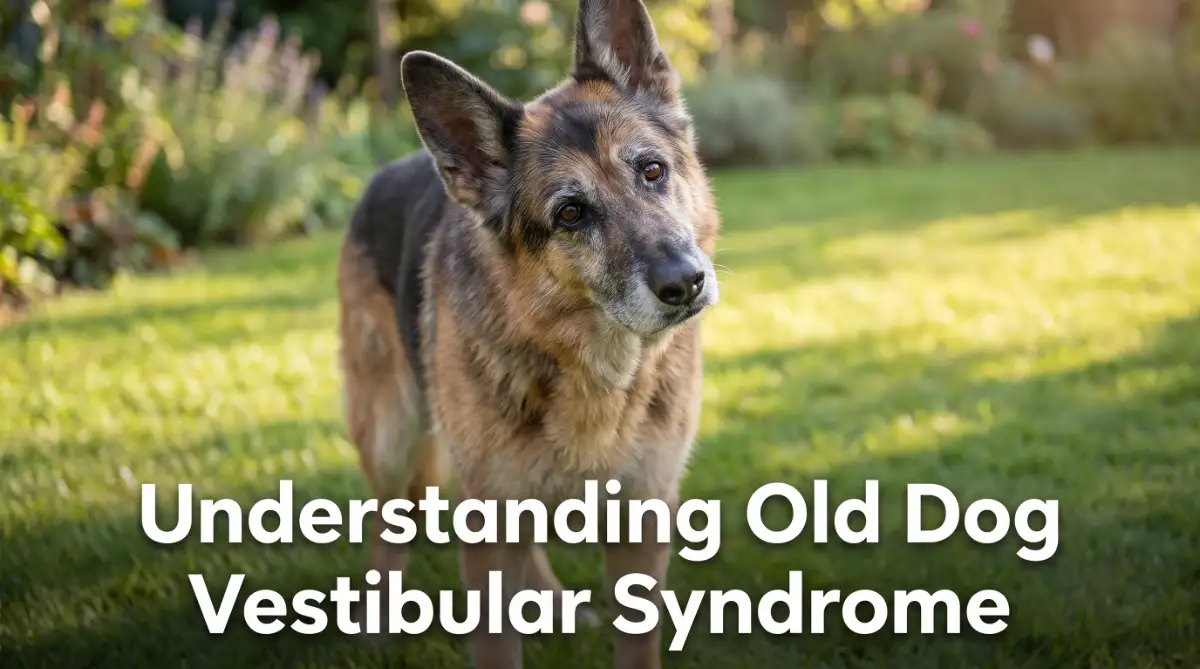
Inside Your Dog's Internal GPS: How Balance Actually Works
Before we explore the reasons behind the wobble, we should look at how dogs stay upright in the first place. Just like us, dogs rely on a highly complex system to understand where their body is in space.
This system is called the vestibular apparatus, and it acts as your dog's personal, built-in GPS. It tells their brain which way is up, which way is down, and how to stay balanced while moving.
This delicate balance system has two main parts. The first part is located deep inside the inner and middle ear. The second part is located in the brainstem and the back of the brain, known as the cerebellum.
If anything disrupts the communication between these two parts, your dog's balance instantly falls apart. They will feel like the world is spinning around them, much like severe motion sickness or vertigo in humans.
When this happens, walking in a straight line becomes almost impossible for them. They may lean to one side, fall over, or walk in wide, frantic circles.
Surprising Causes of Sudden Balance Issues in Aging Dogs
When an older dog suddenly starts stumbling, the cause is usually related to the balance system or the nerves. Here are the most common and unexpected reasons why your senior pet might be struggling to stay on their feet.
This is perhaps the most common reason for sudden balance loss in senior pets. Veterinarians often call it "idiopathic vestibular syndrome," which is a fancy way of saying a balance problem with an unknown cause.
It strikes out of nowhere, often leaving healthy senior dogs unable to stand up at all. You will notice a dramatic head tilt, stumbling, and eyes that flick rapidly from side to side.
Many owners mistake this for a stroke because the symptoms look so severe and alarming. However, this condition is usually harmless and often improves on its own within a few weeks with basic supportive care.
We all know dogs can get ear infections, but we often only think of the itchy, smelly outer ear. If an ear infection goes untreated, it can creep deep into the middle and inner ear chambers.
Once the infection reaches these deep areas, it directly attacks the balance sensors. This causes sudden swelling and irritation, throwing off your dog's entire equilibrium.
Your dog might start shaking their head, pawing at their ears, or crying out when you touch their face. Treating the infection with proper veterinary medication can quickly restore their balance.
A spinal stroke, also known as an FCE, happens when a tiny piece of cartilage blocks blood flow to a section of the spinal cord. This block usually occurs during normal, everyday activities like running or jumping.
It causes sudden weakness or complete loss of movement, typically on one side of the body or in the back legs. While it sounds terrifying, spinal strokes are usually not painful after the initial moment.
With patience, physical therapy, and time, many dogs can regain their ability to walk and balance.
As dogs get older, their organs process foods, chemicals, and medications much more slowly. A dose of medication that was perfectly fine years ago might now cause dizziness and confusion.
Additionally, older dogs are more sensitive to household toxins, such as certain houseplants, mold, or dropped human pills. Even a small amount of an accidental toxin can make their brain feel foggy, leading to stumbling.
Always keep human medications and cleaning chemicals far out of reach of your senior pet.
Aging dogs often suffer from wear and tear in their joints and spine, such as arthritis or degenerative myelopathy. Sometimes, a spinal disc can suddenly bulge or slip out of place, pressing directly against the spinal cord.
This pressure disrupts the vital signals traveling from the brain to the legs. Your dog's brain might send the signal to step forward, but the leg does not receive the message in time.
This delay makes them look wobbly, as if they have forgotten how to coordinate their own paws.
Sometimes the issue is not in the ears or the spine, but in your dog's blood chemistry. Senior dogs are prone to metabolic diseases like diabetes, liver issues, or tumors on the pancreas.
These conditions can cause sudden drops in blood sugar, leaving your dog's brain starving for energy. When blood sugar levels crash, dogs become extremely weak, disoriented, and wobbly on their feet.
A simple blood test at the vet's office can check for these metabolic shifts.
While we always hope for simpler issues, we must also consider the central nervous system. As dogs reach their senior years, the risk of brain tumors or internal swelling increases.
If a growth develops in the area of the brain that controls movement, it will disrupt their balance. These issues usually develop more slowly, but they can sometimes show up as a sudden, dramatic fall.
Your vet may suggest special imaging like an MRI if they suspect a central brain issue.
Myth vs. Reality: Clearing the Confusion for Pet Parents
There are many misconceptions surrounding older dogs and balance issues. Let us break down the facts so you can make the best choices for your companion.
Your Step-by-Step Home Safety Action Plan
Before you start adjusting your living room, take a quick moment to watch this short, helpful demonstration of safe senior dog handling and support techniques. Seeing these physical movements in action will make it much easier for you to protect your dog’s spine as you follow our practical steps below!
If your senior dog is currently struggling to walk, you do not have to feel helpless. You can make immediate changes in your home today to protect them from injury and keep them comfortable.
Hardwood, tile, and laminate floors are the worst enemies of a wobbly senior dog. When your dog loses their footing, they tense up, which makes falling even more likely.
- Lay down yoga mats: Cheap yoga mats are fantastic for creating instant, high-grip walking paths across your home.
- Use runner rugs: Place non-slip rugs along the paths your dog travels most often, such as from the bed to the food bowl.
- Try gripping socks: Special dog booties or socks with rubber grips can give them extra traction on slick surfaces.
Do not try to lift a large, wobbly dog by their belly, as this can put painful pressure on their spine. Instead, use proper supporting techniques to help them stand and walk safely.
When Buster first stumbled, I made the mistake of trying to carry his entire seventy-pound body myself, which actually threw off his balance even more and strained my own lower back. I quickly learned that using a simple towel sling under his belly not only saved my spine, but also gave him back his confidence because he still felt like he was walking on his own four paws.
- The towel sling method: Loop a soft, rolled-up bath towel under your dog's abdomen, holding the ends to support their weight.
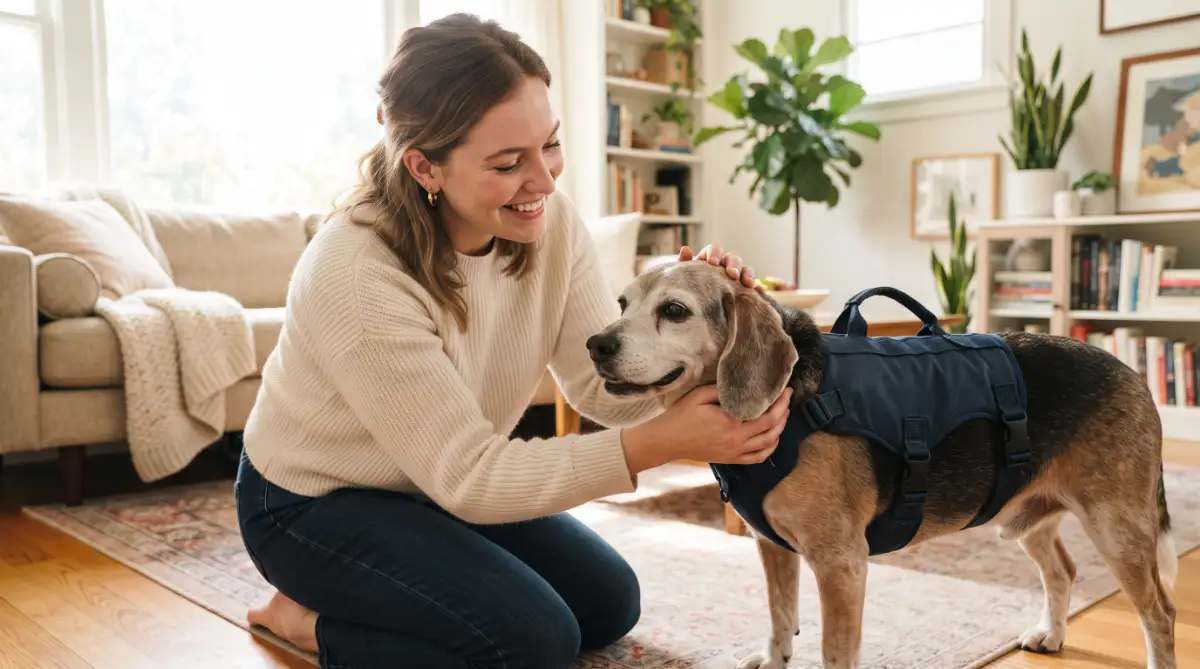
- Get a support harness: Invest in a high-quality harness with handles on the back, allowing you to gently lift them without hurting your own back.
- Keep your guide steady: Walk slowly beside them, letting them lean against your legs for support if they feel unsteady.
A dog with balance issues feels like they are on a spinning amusement park ride. Bright lights and loud noises can make this dizziness much worse.
- Block off stairs: Use baby gates to prevent your dog from accidentally tumbling down the stairs.
- Reduce the light: Keep the lights dim in their resting area to help soothe their eyes and reduce nausea.
- Use a high-walled bed: A orthopedic bed with raised edges can help your dog feel snug, secure, and physically supported.
The Vet Checklist: What to Do Before You Leave the House
When you notice your dog stumbling, your first instinct is to rush to the car. But taking a few minutes to prepare can help your vet make a much faster and more accurate diagnosis.
Your dog might behave differently or show fewer symptoms once they get to the clinic due to adrenaline. Use your phone to record a one-minute video of their walking pattern, their eyes, and their head position.
Look closely at your dog's eyes. Are they moving side to side, or up and down? Note this down, as the direction of the eye movement helps the vet determine if the issue is in the ear or the brain.
Some drugs can interact poorly or cause side effects as your dog ages. Put all their pill bottles, joint supplements, and flea treatments into a bag to show your vet.
Write down exactly when the stumbling started. Did it happen suddenly within five minutes, or has it been slowly getting worse over several weeks?
Safe and Empathetic Ways to Support Your Best Friend
Watching your senior dog struggle with balance is emotionally exhausting for you, but remember that your dog is looking to you for reassurance. Dogs are incredibly sensitive to our stress and anxiety.
If you panic, your dog will feel that energy and become even more frightened by their own physical confusion. Speak to them in soft, low, comforting tones, and let them know they are safe.
Keep their daily routine as normal as possible to provide a sense of stability. Feed them at their usual times, and place their water bowl right next to their bed so they do not have to walk far to drink.
Ensure they stay hydrated, as dehydration can quickly make weakness and dizziness worse. If they are too wobbly to drink, you can gently offer them water from a sponge or a small syringe.
Most importantly, give them time to rest and heal. Many balance issues, especially vestibular disease, look terrible on day one but show massive improvement by day seven.
Your patient care, paired with proper guidance from your veterinarian, is the best gift you can give your aging companion. Keep your hope strong, take things one day at a time, and cherish the quiet moments of comfort you share together.
Practical Care and Advanced Support: Helping Your Aging Dog Stand Strong Again
Rehabilitating an older dog who has lost their footing requires a careful, long-term approach. While initial medical treatment sets the stage, your daily routine at home is what truly helps them rebuild their physical strength.
We must focus on low-impact physical training, specific neurological support, and a supportive living environment. Let us look at some highly effective, practical techniques that you can start using today to help your companion.
When a senior dog suffers from balance issues, the brain often loses track of where their limbs are in space. This loss of physical self-awareness is what veterinary doctors call a deficit in proprioception.
You can help your dog rebuild these neural pathways through simple sensory games. One excellent exercise is to gently tickle or massage the spaces between their paw pads.
This simple sensory touch tickles the nerves in their feet, sending instant signals straight back to their brain. Another helpful game is the slow walk over varied surfaces.
Lead your dog slowly across different textures in your home, such as a soft rug, a smooth yoga mat, and a fluffy towel. Each new texture forces their brain to adapt and balance, which helps repair damaged nerve pathways over time.
Your dog's balance system relies heavily on the health of their nervous system and spine. As dogs grow older, their bodies require specific nutrients to protect these delicate pathways from decay.
Look for high-quality supplements that contain Omega-3 fatty acids, particularly EPA and DHA. These natural oils work wonders to soothe inflammation in both the joints and the nervous system.
Additionally, ask your veterinarian about Vitamin B complex supplements, which are highly useful for nerve regeneration. Protecting your dog from unexpected accidents is a major part of senior pet ownership.
If you are worried about the rising costs of emergency veterinary visits, you might want to look into accident-only insurance policies for your pet to give you peace of mind. These policies provide a helpful safety net without straining your budget.
Supporting a heavy, wobbly dog can place a significant physical strain on your own back. To prevent injury to both yourself and your pet, you must use proper assisting equipment.
A simple towel looped under their belly can work for quick bathroom trips, but it is not ideal for longer walks. A professionally designed multi-point harness is a much better choice.
These harnesses feature strong handles over the shoulders and hips, allowing you to lift them evenly. This balanced lift keeps their spine straight, which is very helpful for dogs recovering from spinal strokes.
Always keep their walk times short, sweet, and stress-free. If you notice their legs beginning to tremble or drag, end the walk immediately and let them rest.
When a dog suffers from vestibular disease, they often feel like the entire room is spinning around them. You can use their strongest sense, their sense of smell, to help them anchor themselves in space.
Place tiny drops of safe, pet-safe essential oils, like diluted lavender, on the doorframes of your main rooms. You can also place a drop near their food bowl and their favorite sleeping spot.
These subtle scent markers act like invisible signposts for your dog's brain. When they smell the familiar lavender scent, their mind instantly knows exactly where they are in the house.
This sensory mapping reduces their anxiety and helps them navigate the home with much greater confidence, even when their balance is shaky.
If your dog is struggling to make progress at home, professional physical therapy can make a world of difference. Many veterinary rehabilitation centers now offer cold laser therapy.
This non-invasive treatment uses specific wavelengths of light to deep-penetrate damaged spinal tissues and joints. It boosts local blood circulation and speeds up cellular repair without causing any pain.
Water therapy, or hydrotherapy, is another fantastic option for wobbly senior pets. Under the careful supervision of a therapist, dogs walk on an underwater treadmill.
The natural buoyancy of the water supports their weight, removing pressure from their joints while allowing them to build strong muscles safely. To read more about how veterinary clinics diagnose and treat these difficult balance cases, you can check out the official publications from the Cornell University College of Veterinary Medicine.
Dangerous Missteps: Avoid These Critical Blunders in Your Dog's Recovery
When we see our beloved pets struggle, we often act out of raw emotion rather than logical planning. Unfortunately, some well-meaning actions can actually delay your dog’s recovery or make their condition worse.
The absolute biggest mistake a pet parent can make is giving human pain medications to a wobbly dog. Many people assume their dog is stumbling because of simple arthritis pain, so they reach for human aspirin or ibuprofen.
These human drugs are highly toxic to dogs and can cause severe stomach ulcers, kidney failure, or even death. Never give your pet any medication without first consulting your trusted veterinarian.
Additionally, assuming your dog is having a stroke based on internet searches can lead to unnecessary panic. True strokes are quite rare in dogs, whereas treatable balance issues like vestibular disease are highly common.
Because sudden balance loss looks so dramatic, many owners assume their dog has reached the end of their life. In a state of intense fear, some people make the hasty decision to put their dog to sleep on the very first day of symptoms.
This is a tragic mistake because many senior dogs make wonderful, complete recoveries within a few weeks. Vestibular disease, though terrifying to watch, is not a painful condition, and it usually improves rapidly with time
Always give your companion at least a few days under veterinary care to see if they show signs of improvement. Their body is incredibly resilient, and they deserve a fair chance to heal.
Another common pitfall is focusing solely on your dog's legs while ignoring their head and mouth. A deep, hidden ear infection can easily cause a dog to lose their balance, yet the ears might look clean from the outside.
Similarly, severe dental disease in the upper jaw can cause inflammation that spreads directly to the balance centers of the inner ear. If you only treat the joints and ignore the underlying infection, your dog will continue to stumble.
Always ask your vet to perform a thorough examination of your dog's ears, teeth, and eyes. Treating a hidden infection is often the quickest way to restore your dog's steady walk.
While rest is important during the first few days of a balance crisis, keeping your dog locked in a tiny crate for weeks can do more harm than good. Senior dogs lose their muscle mass incredibly fast when they do not move.
This muscle loss makes it even harder for them to stand up once they finally recover from the balance issue. Unless your vet specifically orders strict cage rest for a severe spinal fracture, encourage gentle movement.
Support them with a harness and let them take slow, short walks on non-slip surfaces. This light activity keeps their muscles strong and helps their brain recalibrate their balance system much faster.
Your Immediate Roadmap: A Gentle Way Forward
Caring for an aging companion through a balance crisis is a deeply emotional journey. It requires patience, soft blankets, and a lot of quiet reassurance.
To help you get started on the right path, we have put together a simple action plan you can implement starting tomorrow morning.
Begin your day by assessing your home through your dog's eyes. Look for any slippery surfaces, sharp corners, or stairs that could pose a danger to a wobbly pet.
Take ten minutes to lay down non-slip rugs or cheap yoga mats along their favorite walking paths. This single change will instantly lower their stress levels and prevent dangerous slips.
Next, set up a cozy, quiet resting corner away from the busy parts of your household. Fill it with soft bedding and place their water bowl within easy reach so they do not have to struggle to stay hydrated.
Finally, establish a solid financial safety plan for your pet's future healthcare needs. Sudden illnesses can happen in the blink of an eye, and veterinary care can be costly.
To learn more about how to navigate these financial situations, you can read our comprehensive guide to pet insurance waiting periods. Understanding how these systems work ahead of time ensures you will never have to make difficult healthcare choices based on money alone.
As our dogs enter their golden years, their bodies naturally slow down, and they require a little extra help to navigate the world. A sudden loss of balance is undoubtedly a frightening event, but it is also an opportunity to show them the deepest level of love and care.
With a few simple adjustments to your home, proper veterinary guidance, and a steady supply of patience, your best friend can continue to enjoy a beautiful quality of life.
I know how heavy your heart feels right now, but please do not give up on your sweet senior companion too soon. Buster made a beautiful recovery and gave me two more wonderful, wagging years that I will cherish forever, and with the right steps, your dog can stand steady again too.
Do not let the fear of tomorrow steal the joy of today. Celebrate the small victories, like a steady step or a happy tail wag, and enjoy every single quiet moment you share together.
Disclaimer:
The information provided in this article is for educational and informational purposes only and is not a substitute for professional veterinary advice, diagnosis, or treatment. Always consult with a qualified veterinarian regarding any medical concerns or conditions affecting your pet's health.