
The Hidden Stress of Living Without a Financial Safety Net
Imagine waking up at two in the morning to a strange, loud rattling sound coming from your kitchen. You walk in to find your refrigerator is warm, and all your food is starting to spoil.
Or maybe you are driving to work, and your car suddenly makes a terrible clunking noise before the engine dies. Your heart instantly drops into your stomach.
A few years ago, my old car broke down on my way to a job interview. I sat on the curb, staring at my bank app showing exactly $14.12, feeling a heavy, physical weight in my chest. That quiet panic of not knowing how I would pay for repairs is something I never want to experience again, and it is the exact reason I decided to change how I handle my money.
It is not just the broken appliance or the damaged car that makes you feel sick. It is the sudden, cold realization that your bank account is nearly empty.
This is the quiet anxiety that millions of people carry around every single day. We work hard, we pay our bills, and we hope that nothing goes wrong.
But when you live paycheck to paycheck, any unexpected expense feels like a massive disaster. It robs you of your sleep, hurts your mental peace, and makes you feel trapped.
You might feel like saving money is a luxury meant only for wealthy people. It is easy to think that you cannot save because your income is too low or your bills are too high.
But I want you to take a deep breath. You do not need a huge salary to protect yourself from these stressful moments.
You can build a strong safety net starting with the tiny amount of money you have right now. Let us look at how you can turn small change into real peace of mind.
Why Tiny Savings are Your Secret Superpower
Many people believe they need to save hundreds of dollars at a time for it to matter. This belief actually stops most people from ever starting.
The truth is that small savings have an incredible compound effect on your life and your habits. When you start small, you remove the fear of saving.
The Simple Math of Small Coins
Let us look at how small numbers grow over time without hurting your daily life. If you save just two dollars every day, you might think it is too small to care about.
But in one week, that becomes fourteen dollars. In one single month, you have saved sixty dollars.
By the end of one year, you have over seven hundred dollars sitting in your account. That is enough money to cover a flat tire, a quick trip to the doctor, or a broken microwave.
You did not have to skip rent or stop buying groceries to get that money. You just had to find two dollars a day.
Building the Habit Before the Amount
The action of saving is actually far more important than the amount of money you save. When you save a small amount regularly, you train your brain to think like a saver.
You stop seeing saving as a painful chore. Instead, you start to see it as a small, daily win for your future self.
Once this habit becomes normal to you, saving larger amounts later feels easy. You have already built the mental pathway to make it happen.
Continue Reading>>
How to Find "Invisible" Money in Your Weekly Budget
You might be wondering where you can even find two dollars a day when things are tight. The secret is that we all have small amounts of invisible money leaking out of our pockets.
These are tiny expenses that we do not even notice because they look so harmless. Let us look at how to find them.
The Subscription Clean-Up
Take ten minutes to scroll through your bank statement from last month. Look closely for small, recurring charges for apps, games, or streaming services you rarely use.
Canceling just one ten-dollar monthly subscription gives you an extra hundred and twenty dollars a year. That is money you do not have to work extra hours to earn.
It is free money that you can immediately redirect into your brand-new emergency fund.
The Home-Brew Challenge
We all love convenience, but buying coffee or snacks on the go adds up incredibly fast. You do not have to live a boring life with zero treats.
But try making your coffee at home just three days a week instead of buying it. Or bring a snack from home when you run chores.
You will easily find an extra ten to fifteen dollars every single week this way.
The Step-by-Step Plan to Grow Your First Safe Fund
When I first tried to save, I made the mistake of waiting to see what was left at the end of the month—which was always zero. My entire financial life changed when I started treating my savings like a bill that I had to pay first, even if it was just the cost of a single cup of coffee.
Now that we know how to find the money, let us talk about how to protect it and watch it grow. Here are the simple steps to take.
Step 1: Open a Dedicated "Out of Sight" Account
The biggest mistake you can make is keeping your savings in the same account you use to buy groceries. If you can see the money easily, you will eventually spend it.
You need to open a separate savings account at a completely different bank if possible. Look for a free savings account that does not charge monthly fees.
An online-only bank is often a great choice because they pay better interest and take longer to transfer money back to your main account. This slight delay keeps you from making impulsive purchases.
Want to see a simple walkthrough of how to set up these separate accounts and automate your savings in under five minutes? Watch this short guide to get your accounts ready, and then read Step 2 below to put your savings on autopilot.
Step 2: Automate the Very First Dollar
Do not wait until the end of the month to save whatever money is left over. There is almost never any money left over.
Instead, pay yourself first, even if it is just five dollars. Set up an automatic transfer on the day you get paid.
This way, the money moves to your safety fund before you even have a chance to miss it. It happens quietly in the background while you live your life.
Step 3: Celebrate Your First Milestones
Setting a goal of saving three thousand dollars can feel overwhelming when you are starting at zero. It is much better to set tiny, reachable milestones.
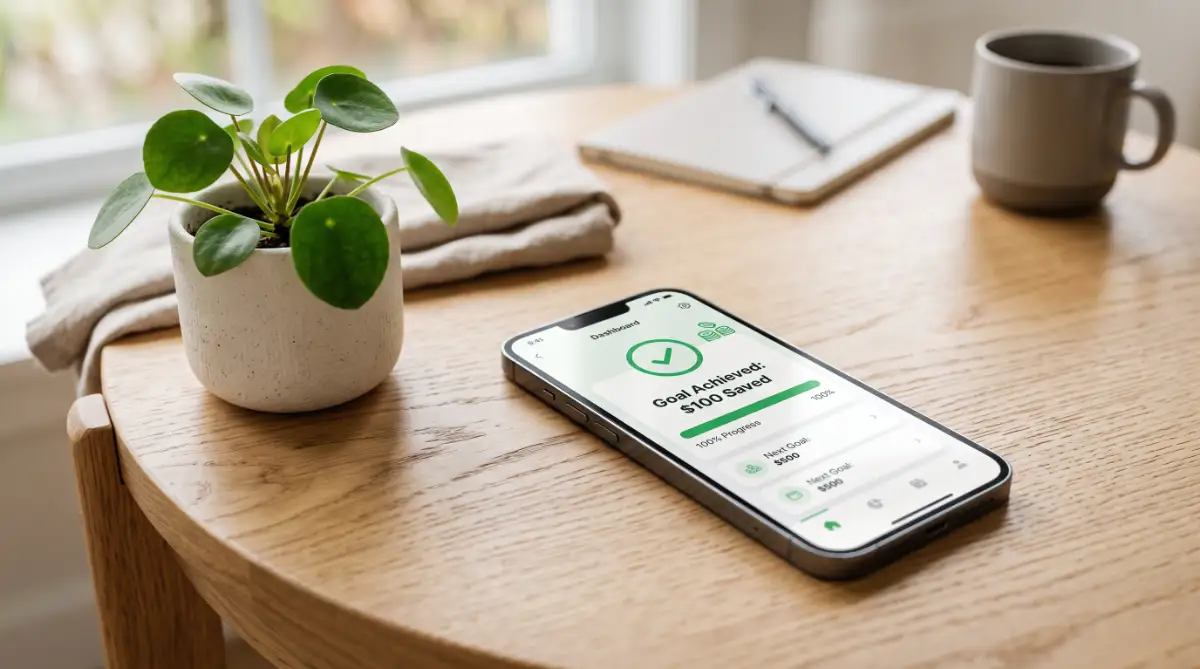
Your first goal should be just fifty dollars. Once you hit that, celebrate the feeling of security.
Then, aim for one hundred dollars, and then two hundred and fifty dollars. Each milestone makes your financial shield a little bit thicker.
Common Mistakes That Can Drain Your Progress
As you build your safety net, you will face temptations and setbacks. Knowing these traps beforehand will help you stay on track.
Calling Every Expense an "Emergency"
A sale on a winter coat you really want is not an emergency. A birthday gift for a friend is not an emergency.
An emergency is something that is completely unexpected, absolutely necessary, and urgent. Before you touch your fund, ask yourself if the issue can wait a week.
If it can wait, it is not an emergency. Leave your hard-earned savings alone.
Giving Up After a Setback
There will be weeks when your car breaks down before you have saved very much. You might have to spend your entire fifty-dollar savings to fix it.
This can feel incredibly discouraging, and you might want to stop trying. But please do not give up.
Using your savings to pay for that car fix means you did not have to borrow money or use a high-interest credit card. That means your safety net worked exactly the way it was supposed to.
You did not fail; you actually won. Simply start again next week with your small savings habit.
Simple Truths About Money You Need to Remember
Let us look at some common myths that keep people from building their safety nets.
- Myth: You need to be debt-free before you save.
- Reality: If you do not have a small emergency fund, any new emergency will just force you to take on even more debt. Save a small starter fund first.
- Myth: Small change is not worth saving.
- Reality: Small change builds habits, and habits build wealth. Every single dollar counts.
- Myth: Saving money means living a miserable life.
- Reality: Knowing you have money in the bank actually reduces stress and makes your daily life far happier and more relaxed.
A Small Story of Hope
Consider the story of a friend of mine who worked a low-wage retail job. She felt she could never save because her paychecks were so small.
She decided to save just the digital change from her bank card purchases using an automatic round-up feature. Sometimes it was fifty cents, sometimes it was eighty cents.
She forgot about the account for six months. When she finally checked it, she had saved nearly two hundred dollars.
That money saved her when she needed a quick dental visit later that year. She did not have to borrow money from family, and her stress levels stayed low.
Final Thoughts on Your Financial Peace
Building an emergency fund is not about restriction or sacrifice. It is about giving yourself the gift of breathing room.
It is about knowing that when life gets messy, you have a plan and a cushion to catch you. Start today by saving just one single dollar.
Your future, stress-free self will thank you for the small step you took today.
Smart Tactics to Grow Your Savings Without Feeling the Pinch
Saving money does not mean you have to stop enjoying your life completely. If your savings plan is too painful, you will likely abandon it within a few weeks.
The secret to long-term success is finding gentle ways to grow your money in the background. By using smart habits, you can build a strong safety net without feeling like you are sacrificing everything.
The Power of the Automated Round-Up
One of the easiest ways to save without thinking is to use technology to your advantage. Most modern bank accounts now offer a feature that rounds up your debit card purchases to the nearest dollar.
For example, if you buy a cup of tea for three dollars and fifty cents, your bank rounds it up to four dollars. The extra fifty cents goes directly into your savings account automatically.
It may seem like fifty cents is too small to make any real difference in your life. But over a few months, those tiny coins add up to fifty or one hundred dollars.
This is a great way to start how to build a bulletproof emergency fund fast without changing your daily spending habits. You are saving money every single time you swipe your card.
Redirecting Your Temporary Wins
We all experience small financial wins from time to time that we do not expect. This could be a small birthday gift, a tax refund, or a week where you spent less on groceries.
Most people instantly spend this extra money on something they do not really need. Instead, try making a personal rule to save at least half of any unexpected cash.
If you receive a fifty-dollar cash gift, put twenty-five dollars straight into your emergency fund. Since you did not plan to have this money anyway, your budget will not feel any pain.
This simple habit turns unexpected moments into building blocks for your financial protection. Over time, these small choices create a very strong shield against unexpected bills.
The Power of the "Wait and Think" Rule
Impulse buying is one of the biggest threats to your financial security. Online shopping apps make it incredibly easy to spend money with just one click.
To combat this, try implementing a simple twenty-four-hour rule for any non-essential purchase. If you see a shirt or a gadget you want, leave it in your cart and walk away.
During those twenty-four hours, the emotional excitement of buying the item will start to fade. Often, you will realize you do not actually need the item at all.
If you decide not to buy it, transfer that exact amount of money into your savings instead. You will feel a great sense of control over your financial choices.
How to Scale Your Savings with Your Income
When you get a raise or find a side job, it is natural to want to spend more money. This is a common trap called lifestyle inflation.
Instead of raising your living standards right away, use your new income to boost your safety net. If your pay increases by twenty dollars a week, send ten dollars of that directly to savings.
You still get to enjoy some of your hard work, but you also protect your future. This keeps your savings growing at the same speed as your lifestyle.
Research from government institutions like the Consumer Financial Protection Bureau shows that even a small buffer can prevent families from falling into deep debt cycles. By building this habit, you are actively protecting your peace of mind.

Hidden Traps That Can Quietly Destroy Your Progress
Even with the best intentions, it is easy to make mistakes that slow down your saving journey. Recognizing these traps early will help you protect your progress and keep going.
Letting High-Interest Debt Hold You Back
Many people try to save money while carrying expensive credit card debt. If you are paying high interest rates every month, it is hard to make real progress with your savings.
Your savings might earn small interest, but your debt is costing you far more. In this situation, it is smart to find a balance between saving and paying down debt.
For instance, if high-interest credit cards are eating up your monthly cash, exploring options like how to consolidate multiple debts without hurting your credit score can free up cash to put toward your savings goals. This lets you attack your debt while still keeping a small safety fund.
Having a tiny buffer keeps you from borrowing more money when an emergency happens. Once your high-interest debt is under control, your savings will grow much faster.
The Danger of the "All-or-Nothing" Mindset
Many people stop saving because they think they cannot save enough money each month. They feel that saving five dollars is a waste of time, so they save nothing.
This is a dangerous mindset that ignores the power of consistency. A small, imperfect savings plan is always better than no plan at all.
If you can only save one dollar this week, do not feel ashamed of that small step. That single dollar represents a choice to put your future first.
Every mountain is built from small grains of sand. Your job is simply to keep adding your grains of sand, no matter how small they seem.
Treating Savings as a Spending Reserve
Another common mistake is dipping into your safety fund for regular monthly expenses. It is easy to look at your growing savings and think it is okay to buy a nice dinner.
But if you use your emergency fund for non-emergencies, it will never be there when you actually need it. You must create strict rules for what constitutes an actual emergency.
An emergency is not a planned expense like holiday gifts or car insurance payments. Those are things you can predict and plan for in your main budget.
Keep your emergency fund strictly for the unexpected events that threaten your safety or income. This keeps your safety net strong and ready for real crises.
Without this separation, you risk facing a true emergency with an empty account. This can lead to stressful situations like missing a personal loan payment and facing penalty fees.
Your Simple Tomorrow-Morning Action Plan
Starting a new financial habit can feel confusing if you try to do too much at once. Let us look at a simple plan you can follow tomorrow morning to start your journey.
Step 1: Check Your Bank Account Features
Log into your online banking app or call your bank tomorrow morning. Ask if they have an automatic round-up tool for debit purchases.
If they do, turn it on immediately. It takes less than two minutes and will start saving money for you today.
Step 2: Set Up a Five-Dollar Weekly Transfer
Set up a recurring transfer of just five dollars to go from your checking to your savings account. Pick a day of the week, like Monday, for this transfer to happen automatically.
This small amount is low enough that you will not miss it, but it starts your automatic saving streak. You can always increase this amount later as you get more comfortable.
Step 3: Put a Visual Reminder in Your Home
Studies on financial stress by the National Endowment for Financial Education suggest that having a visual tracker of your progress helps reinforce positive saving habits. Draw a simple savings tracker on a piece of paper and stick it on your fridge.
Color in a small box for every ten dollars you save. Seeing your progress visually makes the habit feel real and rewarding.
A Personal Note on Your Journey to Financial Freedom
Building an emergency fund is not about depriving yourself of joy or living a restricted life. It is actually about buying yourself freedom, confidence, and peace of mind.
When you have money in the bank, the world stops feeling like a scary place. An unexpected car repair becomes a minor annoyance instead of a major life crisis.
You do not have to be perfect, and you do not have to save a fortune overnight. Focus on making small, positive choices today that build your safety net over time.
Start small, trust the process, and watch your confidence grow along with your savings account. You have the power to protect your future, one dollar at a time.
If you are starting your journey today with just a single dollar, please be proud of yourself. I was in your shoes once, and I promise you that the deep peace of mind waiting for you on the other side is worth every small step you take today.
Disclaimer:
The information provided in this article is for educational and informational purposes only. It does not constitute professional financial advice. Please consult with a certified financial planner or advisor before making any major financial decisions.


