
The Day the Vet Bill Arrived and the Policy Said "No"
Imagine you just brought home a bouncy, sweet little puppy named Max. You want to be a responsible pet parent, so you sign up for a pet insurance plan the very next day. You feel a deep sense of relief knowing Max is protected from life's unexpected emergencies.
Three days later, Max accidentally swallows a small plastic toy in the backyard. You rush him to the emergency vet, feeling anxious but comforted by the thought that your insurance will cover the cost. After the vet successfully removes the toy, you submit your claim for the thousand-dollar bill.
Then comes the email that breaks your heart. Your claim is denied.
The insurance company explains that your policy has a five-day waiting period for accidents. Because the incident happened on day three, you have to pay every single dollar out of your own pocket.
This is the painful reality for thousands of pet owners who do not understand how waiting periods work. It is a stressful, confusing, and financially draining experience that happens during an already difficult time. Read more about pet insurance tips.
We buy insurance to protect our peace of mind. But when we do not know the rules of the policy, that peace of mind can turn into frustration and regret very quickly.
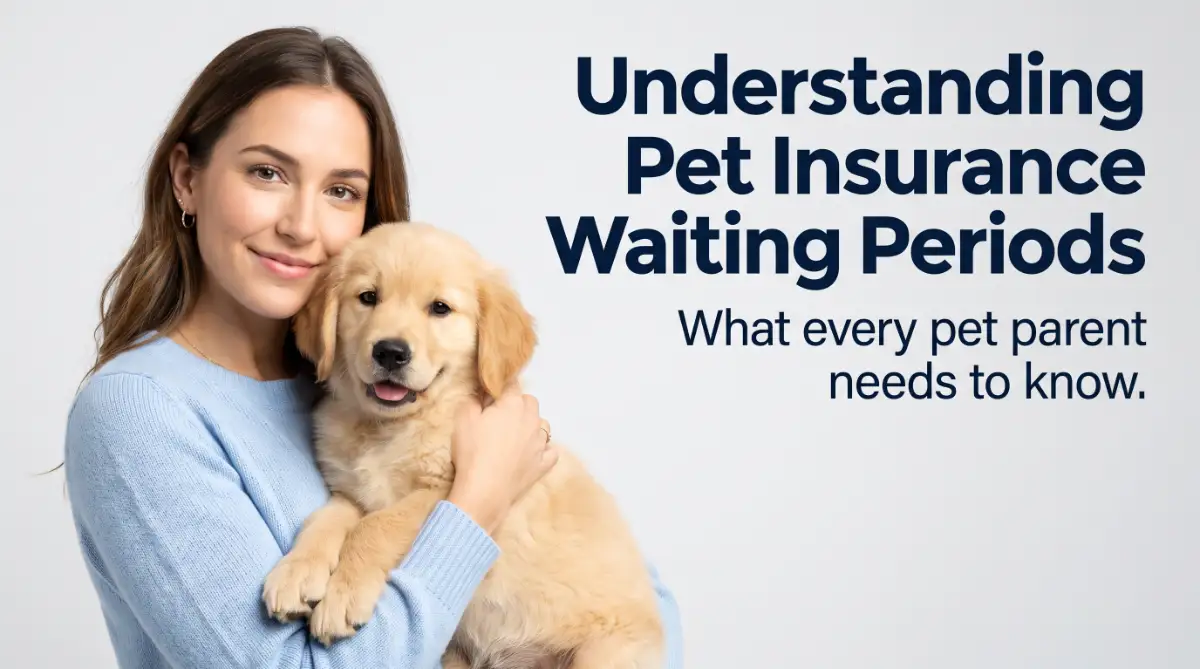
Why Do Insurance Companies Make Us Wait?
It is easy to feel angry at insurance companies for putting these delays in place. However, understanding the logic behind these rules can help us navigate them better.
Waiting periods exist to prevent fraud and keep insurance prices fair for everyone.
Without a waiting period, someone could discover their dog has a serious illness and buy a policy on the way to the vet clinic. If everyone did this, insurance companies would quickly run out of money to pay for honest claims.
Think of it like buying car insurance. You cannot buy a policy while standing next to your crashed car and expect the company to pay for the repairs.
By enforcing a waiting period, companies ensure that pets are healthy when their coverage starts. This helps keep monthly premiums affordable for the entire community of pet parents.
The Three Main Types of Waiting Periods
Every pet insurance policy has different timelines before your coverage becomes active. Knowing these specific timelines is the best way to avoid surprise bills at the vet.
This is the shortest waiting time in most policies. It typically ranges from 24 hours to 3 days after you buy the policy.
Accidents include sudden events like broken bones, toxic ingestions, cuts, or being hit by a car.
If your pet gets hurt before this short window ends, you will have to cover the vet expenses yourself.
Illness coverage takes much longer to become active. For most insurance providers, this period is 14 days.
Illnesses include things like ear infections, cancer, diabetes, upset stomachs, and skin allergies.
If your cat starts sneezing or showing signs of a cold on day twelve of your policy, that condition will likely be labeled as pre-existing and excluded from lifetime coverage.
This is the longest and most overlooked waiting period. Many policies require a wait of 6 months to 12 months before covering issues like hip dysplasia or ligament tears.
Cruciate ligament issues are very common in larger dog breeds.
If your dog injures their knee during this long waiting frame, the cost of surgery might not be covered at all.
Coverage TypeAverage Waiting PeriodCommon ExamplesAccidents1 to 3 DaysBroken bones, swallowing foreign objects, cutsIllnesses14 DaysInfections, allergies, digestive issues, cancerOrthopedic6 to 12 MonthsHip dysplasia, torn cruciate ligaments (ACL/CCL)
Myth vs. Reality: Common Misunderstandings
There are many myths floating around pet forums that can lead pet parents down the wrong path. Let us clear up some of the most common misunderstandings.
- Myth: My pet is covered the exact minute I pay my first premium.
- Reality: Your policy is active, but your coverage is restricted by the waiting periods. No claims can be paid for events during this time.
- Myth: If my pet gets sick during the waiting period, I can just wait to file the claim later.
- Reality: Vets record the exact date and time your pet showed symptoms. Adjusters review these medical charts, so filing a claim late will not bypass the rules.
- Myth: All insurance companies have the exact same waiting periods.
- Reality: Every company has its own rules. Some have zero-day waiting periods for accidents, while others require a full month for certain illnesses.
How to Protect Your Pet During the Waiting Gap
You do not have to just sit back and hope for the best while you wait for your coverage to start. There are active steps you can take to keep your furry friend safe during this vulnerable transition.
Take extra care to clean up your home. Keep small toys, loose strings, chocolate, onions, and cleaning chemicals completely out of reach.
Preventing accidents is always better than wishing you had coverage for them.
During the first two weeks of your policy, keep your dog on a short leash during walks. Avoid busy dog parks where rough play could lead to sudden injuries or exposure to contagious illnesses.
Keep your cats indoors where they are safe from cars and neighborhood rivals.
Many insurance companies require a recent veterinary exam to establish a baseline of your pet's health.
Getting this exam done quickly helps prove that your pet was healthy when the policy started, making future claims much smoother.
Ask About Waiting Period Waivers
Some insurance providers offer ways to shorten or bypass these waiting times.
For example, your company might agree to waive the long orthopedic waiting period if a licensed veterinarian examines your pet and signs a health waiver.
Always call your insurance customer service line and ask: "Is there any way to reduce the waiting period for my pet?"
Some companies will agree to this if you provide complete medical records showing a clean bill of health.
Why Waiting Can Cost You More Than Money
If your pet develops a medical issue during the waiting period, that issue becomes a pre-existing condition.
Pet insurance companies do not cover pre-existing conditions.
This means if your puppy gets an ear infection on day ten of a fourteen-day waiting period, any future ear infections might be excluded from coverage forever.
This is why buying insurance when your pet is young and perfectly healthy is the smartest financial move you can make.
Tips for Comparing Policy Details
When shopping for insurance, do not just look at the monthly price.
Read the fine print regarding waiting times.
Look for companies that offer short accident windows and reasonable illness timelines.
A policy that costs five dollars less a month is not worth it if it makes you wait six months for critical orthopedic care.
Keep a Simple Record of Key Dates
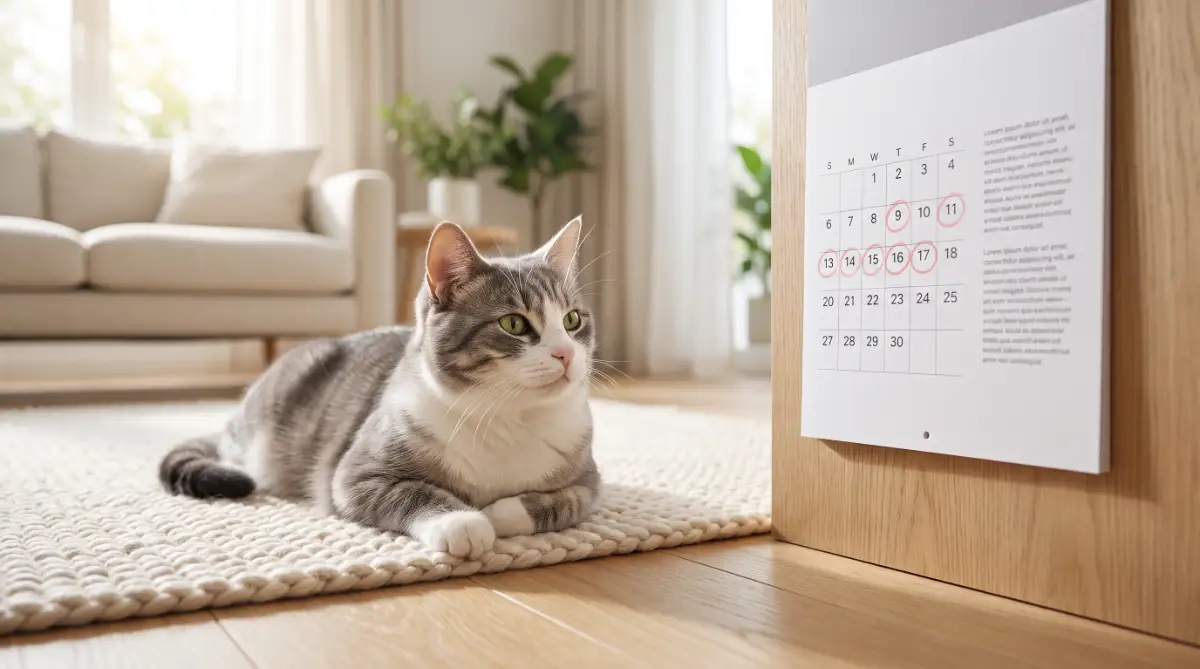
When you buy a policy, write down the exact dates when each waiting period ends.
Put these dates on your kitchen calendar or set reminders on your phone.
Knowing exactly when your pet is fully protected gives you confidence and helps you make better decisions about vet visits.
If your pet shows mild symptoms of a non-emergency issue, knowing your dates can help you decide whether to wait a day or go to the clinic immediately. (Of course, always seek emergency care if your pet is in pain or danger.)
Final Thoughts for Pet Owners
We love our pets like family, and we want to give them the best care possible.
Understanding the rules of your insurance policy is a key part of being a great pet parent.
By knowing how waiting periods work, you can avoid unexpected financial stress and focus on what really matters—keeping your companion happy, healthy, and safe.
How Insiders Navigate the Quiet Weeks of New Pet Policies
Understanding the basic rules of coverage delays is only the first step. To truly protect your budget, you need to know how experienced pet owners and veterinary professionals manage this transition period.
These advanced strategies will help you avoid common pitfalls and ensure your pet gets the best care without unexpected costs.
The Immediate Veterinary Health Audit
One of the smartest moves you can make is to schedule a comprehensive physical exam for your pet within the first forty-eight hours of buying a policy.
This exam serves as an official, dated record of your pet's perfect health.
When you have a clean medical report signed by a doctor right at the start, it becomes much harder for an insurance provider to claim a future illness was a pre-existing condition.
This simple step creates a clear paper trail.
If your puppy develops a cough on day fifteen, you can point directly to the exam from day two to prove they were completely healthy when the policy began.
For official guidelines on standard checkups and preventative care, you can refer to the wellness resources provided by the American Veterinary Medical Association.
The Danger of the Mid-Policy Carrier Switch
Sometimes, pet parents find a different insurance company that offers a slightly cheaper monthly rate.
While saving money is always a good goal, switching carriers can be a highly risky move.
When you sign up with a new provider, your waiting periods start completely over from day one.
Any minor health issue that your pet experienced under your old policy will now be labeled as a pre-existing condition by the new company.
For example, if your cat was treated for a mild urinary tract infection last year, a new insurer will likely exclude all future urinary issues from your new policy.
Before making a major change, it is wise to learn how policy terms can impact your coverage over time. You can read our detailed guide on how pet insurance terms work to make an informed choice.
Leveraging Wellness Riders for Immediate Use
Many pet owners do not realize that routine care add-ons, often called wellness riders, operate under different rules.
While major accident and illness coverages have mandatory waiting periods, routine wellness benefits often activate immediately.
This means you can potentially use your policy on day one to pay for vaccinations, annual blood work, or dental cleanings.
Using these benefits early helps you recoup some of your initial premium costs while you wait for the main coverage to kick in.
Always ask your provider if their wellness options have a zero-day waiting frame.
How Underwriters Review Your Pet's History
When you eventually submit your first claim, an insurance adjuster will request your pet’s complete medical history.
This review is highly detailed.
They will look at every clinical note, phone log, and observation made by your veterinarian since you first brought your pet to the clinic.
If a vet noted that your dog was "limping slightly" during a visit that occurred within your waiting period, any joint claims filed months later could be rejected.
Understanding how these evaluations work can save you from major frustrations later on. To protect yourself from these unexpected denials, take a look at our comprehensive pre-existing conditions guide before you send in your first claim.
The "Orthopedic Waiver" Secret
If you own a large breed dog like a Labrador Retriever or a German Shepherd, you are probably worried about the long six-month waiting period for joint issues.
Fortunately, some high-quality insurance providers offer a hidden solution called an orthopedic waiver.
To get this waiver, you must take your dog to a vet for a specific physical exam focused on their joints and ligaments.
If the vet confirms that your dog’s joints are perfectly healthy and shows no signs of hip dysplasia or ligament weakness, the insurer may agree to reduce the waiting period from six months to just a few days.
Always call your provider to see if they offer this option, as it can save you thousands of dollars in orthopedic care.

Blunders That Can Void Your Coverage When You Need It Most
Even well-meaning pet parents can make simple mistakes that result in denied claims and broken trust.
Let us look at the most common errors people make during the initial weeks of their pet insurance policies.
Confusing "Sudden" Illnesses with Accidents
A very common mistake is assuming that any sudden medical emergency is classified as an accident.
If your dog suddenly develops severe bloat or a sudden allergic reaction to a bee sting, you might think of this as an accident because it happened in an instant.
However, insurance companies classify bloat, infections, and allergic reactions as illnesses.
If these events occur during your fourteen-day illness waiting period, they will not be covered.
Only physical traumas, like being struck by a vehicle or swallowing a foreign object, fall under the accident category.
Knowing the difference between these categories is just as important as deciding if pet insurance is worth it for your family budget.
Hiding Early Symptoms from Your Veterinarian
Some owners notice their pet is showing mild signs of illness during the waiting period and decide to avoid the vet until the waiting period ends.
This is a dangerous mistake for two reasons.
First, delaying medical care can put your pet's life and long-term health at serious risk.
Second, when you finally do take your pet to the clinic, the vet will ask how long the symptoms have been occurring.
If you honestly state that your dog has been lethargic or coughing for a week, the vet will write that timeline in the medical chart.
The insurance company will see this note and deny the claim because the symptoms actually started during the waiting period.
Forgetting to Send in Prior Medical Records
When you sign up for a policy, the company will ask for all past medical records.
Many pet parents ignore this request, thinking it is not urgent.
However, if you do not submit these records quickly, your future claims may be put on hold indefinitely.
The insurance company needs these documents to establish what is new and what is old.
For helpful tips on managing your pet's clinical records and finding accredited animal hospitals, you can search the database of the American Animal Hospital Association.
The Risk of Small-Gaps in Coverage
If you let your policy lapse for even a single day due to a missed payment, your coverage will be canceled.
When you reinstate the policy, the insurance company will treat you as a brand-new customer.
This means all your waiting periods will start over from the beginning.
Any health issues your pet had during the original policy period will now be classified as pre-existing conditions.
Set up automatic payments to ensure your pet never faces a single day without active protection.
Your Step-by-Step Blueprint for Stress-Free Coverage
To wrap things up, managing your pet's insurance waiting period does not have to be a source of constant anxiety.
By taking a few proactive steps today, you can protect your finances and ensure your furry family member is always cared for.
The Day-One Checklist for Pet Parents
- Confirm the exact dates: Mark the end of your accident, illness, and orthopedic waiting periods on your calendar.
- Get a baseline exam: Schedule a vet visit within your first forty-eight hours to prove your pet is healthy.
- Pet-proof your home: Reduce the risk of accidents by keeping harmful items out of your pet's reach during the transition.
- Keep records organized: Keep copies of all vet notes, receipts, and vaccine records in a dedicated folder.
Investing a little time into understanding these policy details will pay off tremendously when your pet needs medical help.
Instead of worrying about paperwork and fine print during an emergency, you will be able to focus entirely on helping your companion recover.
Take action today, review your policy details, and enjoy the true peace of mind that comes with being a fully prepared pet parent.
Disclaimer
The information provided in this article is for educational and informational purposes only. Insurance policies, waiting periods, and coverage terms vary significantly by provider and location. Always read your specific policy documents and consult with a licensed insurance agent or your veterinarian before making decisions regarding your pet's healthcare and financial coverage.


