
The Heavy Weight of Home Debt: What Many Families Face
Owning a home is a beautiful dream that brings joy to many families. However, the reality of a thirty-year home loan can quickly turn that dream into a long-term worry. Every single month, a large part of your hard-earned money goes toward paying interest rather than the actual home.
This monthly bill hangs over your head like a dark cloud for decades. It limits your choices, makes you worry about job security, and keeps you from doing things you love. You might feel like you are working just to pay the bank.
- Confusing Advice: Many people try to find help online but get lost in complicated terms and bad advice.
- The Penalty Trap: Some homeowners make extra payments without knowing that their bank charges hidden fees for early payoff.
- Wrong Payment Targets: Many people pay extra money but do not tell the bank to apply it directly to the principal loan amount. This mistake keeps them paying the same interest.
- Too Many Choices: With so many plans out there, it is hard to know which method is safe and works best.
This constant worry can slowly take away your peace of mind. It makes you feel trapped in a loop where you cannot build true wealth. When you look at your loan balance after years of paying, it is sad to see how little the main balance has dropped.
We want you to feel confident about your money again. You do not have to stay locked in a thirty-year contract if you learn how the system works. Let us look at simple, clear ways to take back control of your financial future.
Smart and Proven Ways to Pay Off Your Home Loan Sooner
Use the Power of Half-Payments to Beat the Bank
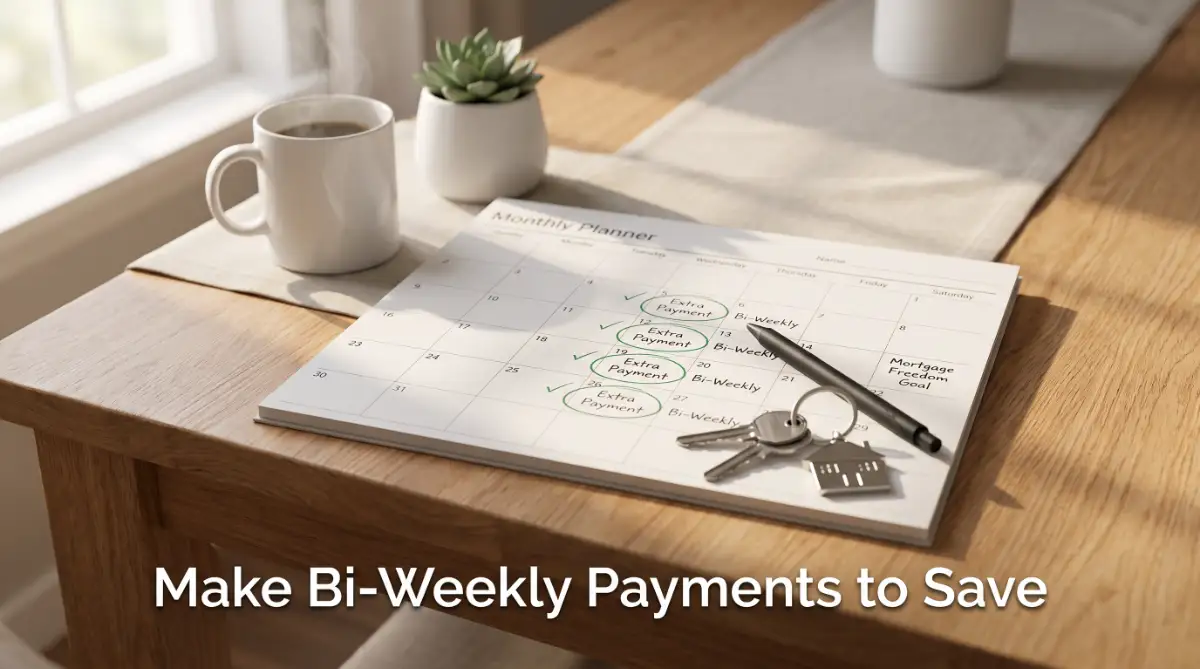
One of the easiest ways to shorten your loan term is to change how you pay. Instead of making one monthly payment, you split that payment in half and pay it every two weeks. This is called a bi-weekly payment schedule.
Because there are fifty-two weeks in a year, you will end up making twenty-six half-payments. This equals thirteen full monthly payments instead of the usual twelve. By doing this, you make one extra full payment each year without even feeling it.
How the Bi-Weekly Schedule Helps You Save
This extra payment goes directly toward reducing your principal loan balance. When your principal balance drops, the amount of interest you owe drops too. Over thirty years, this simple trick can shave several years off your loan.
It also saves you thousands of dollars in interest fees. You should talk to your loan provider first to make sure they allow this schedule. Some banks charge setup fees, so ask them to set it up for free if possible.
A Real-Life Example of Big Savings
Let us look at a simple example to see how this works in real life. Imagine you have a home loan of $250,000 with a fixed interest rate. If you pay once a month, you will pay for thirty full years.
By switching to bi-weekly payments, you could pay off that same loan four years early. That means four years of zero housing payments. Plus, you keep thousands of dollars in your own bank account instead of giving it to the lender.
Make Direct Payments to Your Principal Balance
When you write a check to your bank, they usually apply the extra money to your next month’s payment. This does not help you pay off the loan faster. To make a real difference, you must tell the bank to apply any extra money to the principal.
Why Principal-Only Payments Matter
The principal is the actual amount of money you borrowed to buy the house. The interest is the fee the bank charges you to keep that money. When you pay down the principal, you shrink the base that interest is calculated on.
This creates a snowball effect where more of your regular payment goes to the house instead of interest. You can do this by adding a small amount to your payment each month. Even an extra fifty dollars a month can make a noticeable change over time.
How to Talk to Your Lender
You should call your mortgage company or log into your online account. Look for a box that says "Apply extra to principal" when making your payment. If you pay by paper check, write "Principal Only" on the memo line.
Keep a close eye on your monthly statements to ensure they log the money correctly. If you see any errors, call them immediately to fix it. Being active is the best way to protect your money.
Cut Back Small Costs to Make One Extra Payment a Year
You do not need a massive raise to pay down your home loan early. Often, the money you need is already hiding inside your daily spending habits. By making a few small changes, you can save enough to make an extra payment.
Find the Hidden Cash in Your Budget
Take a close look at your monthly bank statements to see where your money goes. Look for unused gym memberships, streaming services you do not watch, or pricey eating-out habits.
If you save just eighty dollars a month by cutting these out, you will have nearly one thousand dollars by the end of the year. You can send this lump sum directly to your home loan. It is a painless way to speed up your path to debt freedom.
The Compound Effect of Small Sacrifices
It might seem like a small amount now, but time makes it grow. Every dollar you pay today stops the bank from charging interest on that dollar for the next twenty years.
Think of it as a game where every small cut in your budget buys you more freedom in the future. You will feel proud watching your loan balance drop faster than your neighbors' balances. It is all about staying consistent and keeping your eyes on the ultimate prize.
Add Extra Income and Windfalls to Your Loan
Throughout the year, most of us receive extra money that we did not plan for. This could be a tax refund, a work bonus, or even cash gifts from family. Instead of spending this money on things you do not need, put it toward your home.
Turning Yearly Bonuses into Real Equity
When you get a tax refund, it is tempting to go on a vacation or buy new gadgets. However, using that money for your mortgage is a smart move that benefits your future self.
If you put a two-thousand-dollar refund toward your loan each year, you will see a massive change. It shortens your loan term and helps you own your home outright much faster. You still get to enjoy life, but you prioritize your peace of mind first.
The Magic of Side Hustles
If you want to move even faster, you can start a small side job. You can sell old items online, do freelance work, or pet-sit for neighbors.
Designate all the money from this side job specifically for your home loan. Since this money is extra, you will not miss it in your daily budget. It is a fantastic way to build momentum and hit your financial goals sooner.
Read more below>>
Advanced Strategies to Crush Your Home Loan Faster
Welcome back to our guide on becoming completely debt-free. If you want to speed up your progress, you need to use advanced methods that smart homeowners use to outsmart their lenders. For a deeper look at managing your overall financial health, you can read Forbes' advice on refinancing to see if changing your loan term is right for you.
Before you start throwing every extra dollar at your house, it is smart to make sure your other finances are clean. If you have credit card balances or car loans, you might want to look into how to consolidate multiple debts without hurting your credit score first. Clearing those high-interest bills will free up more cash for your home.
To understand how different loan structures affect your long-term savings, you can review Investopedia's explanation of mortgage recasting. This is a lesser-known option that can save you money without the high fees of refinancing. Let us explore how these advanced techniques work.
The Hidden Method of Mortgage Recasting
Many people have never heard of mortgage recasting, but it is a powerful tool. When you recast, you pay a large lump sum of money toward your principal balance. Instead of just shortening your loan term, the bank recalculates your monthly payments based on the new, lower balance.
This means your required monthly payment drops immediately, giving you more financial breathing room. It is different from refinancing because you keep your original loan and interest rate. Most banks only charge a small processing fee of a few hundred dollars for this service.
Imagine you receive a large inheritance or a massive payout at work. Putting that cash toward a recast lowers your fixed monthly bills while keeping you on track to pay off the house early. It gives you both safety and speed on your financial journey.
Switching to a Shorter Loan Term
Another strong move is refinancing your thirty-year loan into a fifteen-year loan. This is especially helpful if interest rates have dropped since you first bought your home. A shorter term naturally forces you to pay off the house twice as fast.
However, you must be careful because your monthly payments will likely go up. You need to look at your budget to ensure you can afford this higher commitment every month. If you are worried about making a mistake with a new loan application, read about personal loan mistakes you must avoid to understand how lenders view your debt-to-income ratio.
Think of a fifteen-year loan as a forced savings plan for your home. You build equity at a rapid pace, and you pay a fraction of the total interest. It requires discipline, but the reward of owning your home free and clear in half the time is incredible.
The Double-Up Payment Method for Windfalls
When you get a regular bonus, you can try the double-up payment method. This means you make your regular monthly payment and immediately make an identical payment focused only on the principal. This is highly effective if your income fluctuates and you want to pay in bursts.
Using this method prevents you from feeling locked into a high monthly payment. You only pay extra when you have the cash on hand. It keeps you in complete control of your budget while still making rapid progress.
Many self-employed people use this strategy during their high-income months. They build up a cash cushion and then make large principal payments. It offers the perfect mix of safety and speed.
Keeping Your Momentum Over the Long Run
Staying motivated to pay off a house is tough because it takes a long time. You might start with great energy but lose focus after a year or two. To prevent this, you need to make your progress highly visual.
Draw a simple chart of a house on a piece of paper and divide it into blocks, where each block represents one thousand dollars of your loan. Put this chart on your fridge where you can see it every day. Coloring in a block each time you make an extra payment provides a wonderful feeling of achievement.
You should also celebrate small milestones along the way. When you pay off ten percent of your loan, treat your family to a nice dinner. Keeping the journey fun prevents burnout and helps you stay committed to your long-term dream.

Costly Pitfalls That Can Derail Your Home Ownership Goals
Trying to pay off your home early is a noble goal, but many people make mistakes that cost them money. If you do not plan carefully, your good intentions can actually hurt your overall financial health. Let us look at the most common errors so you can avoid them.
1. Paying Down Your Home with No Emergency Fund
One of the biggest mistakes is putting all your extra cash toward your mortgage while keeping nothing in savings. If your car breaks down or you face a medical bill, you cannot easily get that money back from your house. This can force you to use high-interest credit cards, putting you deeper into debt.
Before you pay even one extra dollar on your mortgage, you must secure your daily life. It is highly recommended to learn how to build a bulletproof emergency fund fast so you have a cash cushion. Having three to six months of expenses in a separate account protects you from unexpected life events.
Once your safety net is in place, you can confidently send extra money to your lender. You will never have to worry about a sudden emergency ruining your progress. This single step builds a solid foundation for your wealth.
2. Ignoring High-Interest Debts
Your mortgage interest rate is likely much lower than the rate on your credit cards or personal loans. Paying off a low-interest mortgage while carrying a twenty percent credit card balance is bad math. You should always pay off your highest-interest debts first.
To help you manage your monthly payments during this process, it is useful to know what happens if you miss a personal loan EMI payment and how to avoid credit damage. Clear those smaller, expensive debts out of the way before focusing on your home loan. Once those are gone, you will have much more cash to throw at your mortgage.
Think of it as climbing a ladder where you step on the most dangerous rungs first. Clearing expensive debt increases your monthly cash flow quickly. That extra cash flow becomes your main tool for crushing your home loan.
3. Forgetting to Check for Prepayment Penalties
Some lenders do not want you to pay off your loan early because they lose out on interest payments. Because of this, they write prepayment penalty clauses into your mortgage contract. If you do not read the fine print, you could face massive fees for trying to be responsible.
Always call your loan officer and ask directly if your loan has these penalties. If it does, ask about the maximum amount you can pay extra each year without triggering the fee. Most modern loans do not have these fees, but it is always better to be safe than sorry.
If you do find a penalty clause, do not lose hope. Often, these clauses expire after the first few years of the loan. You can use that time to build up your savings and make big payments later.
4. Using Your Retirement Savings to Pay the Mortgage
It can be tempting to pull money from your retirement account to wipe out your home loan. This is usually a terrible idea because you lose out on the compound growth of your investments. Plus, taking early withdrawals can trigger heavy taxes and penalty fees from the government.
Remember that you can borrow money for many things, but you cannot borrow money for retirement. Keep your retirement investments safe and untouched. Let your home payoff happen naturally through budget cuts and smart planning instead of hurting your future self.
Your goal is to own your home and have a large nest egg when you stop working. Wiping out your retirement to pay off a house just leaves you with a paid-off home but no cash to live on. Balance is the key to true financial health.
5. Not Tracking Your Extra Payments
Never assume the bank is recording your extra payments correctly. Banks process millions of payments, and mistakes happen more often than you think. If you do not check your statements, your extra cash might just sit in an escrow account doing nothing.
Make it a habit to log into your account every month and verify your principal balance. Keep a simple spreadsheet at home to track every payment you make. Being organized ensures that every single dollar you send actually works to bring down your debt.
If you spot a mistake, call your lender right away to have it corrected. Keep your paper receipts and digital confirmations as proof of payment. This simple habit keeps your bank honest and protects your hard-earned money.
Your Path to a Life Free of Mortgage Worry
Achieving complete home ownership is not just about numbers on a page. It is about the incredible feeling of safety you get when no bank can ever take your home away. Imagine how much lighter your shoulders will feel when your housing cost drops to zero.
Start Today with One Small Change
You do not need to have everything figured out right this second. Start by making one small extra payment of fifty dollars this month, or look into setting up a bi-weekly schedule. These tiny actions build a habit that grows stronger over time.
Talk with your family, make a simple plan, and take that first step. Your future self will thank you for the choices you make today. You have the power to take control of your financial destiny and build a secure home for those you love.
Disclaimer
This article is for informational and educational purposes only. It does not constitute professional financial, legal, or investment advice. Always consult with a licensed financial advisor or mortgage specialist before making major financial decisions or changing your loan terms.


