
Simple Home Remedies to Soothe Your Dog’s Dry, Itchy Skin Safely
You are lying in bed, trying to drift off to sleep, when you hear it. The rhythmic, heavy thump-thump-thump of your dog's hind leg scratching frantically against their chest. Then comes the soft, pitiful licking and chewing at their paws, a sound that tells you your best friend is in constant discomfort.
Years ago, my own sweet dog, Buster, would keep me awake for hours with his non-stop, frantic midnight scratching. I tried every expensive lotion and fancy medicated shampoo from the store, but nothing seemed to quiet his raw, red skin. It broke my heart to see him so restless, which is why I spent months testing safe, simple ingredients in my own kitchen to find what actually brings relief.
It is a helpless feeling that many pet parents know all too well. Your home should be a place of comfort, yet your furry companion is trapped in a never-ending cycle of itching and scratching. You look at their belly and see angry red skin, dry flakes on their beautiful coat, and patches where the fur has started to thin.
This struggle does not just affect your dog; it weighs heavily on your mind as you worry about infection and search for answers. We want to end this cycle of itching and bring back the happy, tail-wagging family member you love. Let us look at what is causing this discomfort and explore simple, safe, and natural ways to heal their skin right from the comfort of your own home.
Understanding the True Causes Behind Your Dog’s Scratchy Skin
Before we can fix the problem, we must understand why your dog is scratching in the first place. Dogs cannot tell us where it hurts or why they itch, so we have to become detectives.
Their skin is a shield that protects them from the outside world. When this shield is damaged or dry, simple things can cause major irritation.
The Impact of Changing Seasons and Low Humidity
Just like humans, dogs suffer when the weather shifts. Cold winter air contains very little moisture, which can quickly dry out a dog's coat.
When you turn on the heater inside your house, you strip even more moisture from the air. This dry environment causes your dog's skin to lose its natural moisture, leading to tiny cracks, flaking, and a persistent itch.
In the spring and summer, outdoor pollen and grasses can stick to your dog's paws and belly during walks. This can trigger seasonal allergies that make them scratch and chew themselves raw.
Food Sensitivities and Hidden Dietary Triggers
What goes into your dog's body shows on the outside. Many dogs are highly sensitive to specific ingredients in their daily meals.
Common proteins like chicken, beef, or dairy can sometimes trigger an immune reaction that shows up as itchy skin rather than stomach upset.
If your dog is constantly licking their paws or scratching their ears after eating, a food sensitivity might be the hidden cause.
Parasites and the Threat of Flea Allergy Dermatitis
A single flea bite can cause days of intense itching for a sensitive dog. This condition is known as flea allergy dermatitis.
The dog is not just reacting to the bite itself, but to the saliva of the flea. This saliva triggers an intense allergic reaction that makes them scratch and bite their lower back and tail base until they bleed.
Even if you do not see fleas, a single pest can slip onto your dog during a quick bathroom break and start the itch cycle.
Simple and Natural Home Baths to Calm the Itch
Giving your dog a therapeutic bath is one of the fastest ways to offer relief. It washes away allergens, cools hot skin, and delivers moisture directly to the source of the problem.
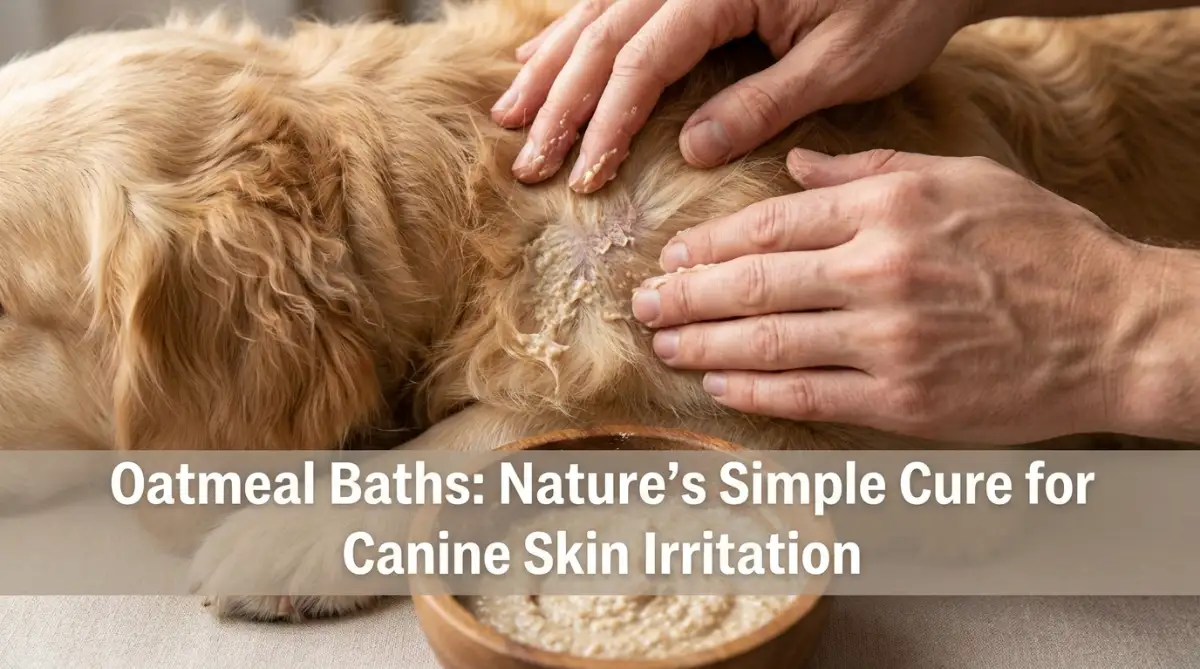
The Healing Power of a Warm Oatmeal Soak
Oatmeal is not just a healthy breakfast; it is one of the oldest and most trusted remedies for irritated skin. It contains natural compounds called avenanthramides, which have powerful anti-inflammatory properties.
To make an oatmeal bath at home, you need plain, unflavored oats. Grind the oats in a blender or food processor until they turn into a very fine, white powder.
Test the powder by stirring a spoonful into a glass of warm water. If it dissolves easily and turns the water milky, it is ready.
- Fill your bathtub with lukewarm water, making sure it is not too hot for your dog's sensitive skin.
- Stir about one cup of your ground oatmeal powder directly into the bathwater.
- Gently place your dog in the tub and use a cup to pour the milky water over their body.
- Massage the mixture gently into their skin, paying close attention to dry or red areas.
- Let your dog soak in this warm mixture for ten to fifteen minutes.
- Rinse your dog thoroughly with clean, lukewarm water and pat them dry with a soft towel.
Pro Tip: Avoid using a hot hair dryer after this bath. The heat will dry out the skin you just worked so hard to soothe. Instead, stick to gentle towel drying.
Want to see exactly how to grind, mix, and apply this soothing bath without making a messy cleanup? Watch this quick, step-by-step video demonstration to get it perfect, then keep reading below for more powerful dry-skin secrets!
Chamomile and Green Tea Soaks for Target Areas
If your dog has specific red patches or itchy paws, tea can be a wonderful natural remedy. Both chamomile and green tea contain natural ingredients that soothe swelling and fight off bad bacteria.
You can prepare a soothing tea bath by steeping several tea bags in hot water for ten minutes. Let the tea cool down completely until it is lukewarm or cool to the touch.
Pour the cool tea over your dog's itchy spots, or let them stand with their paws in a shallow tub of tea.
Do not rinse the tea off. Let it dry naturally on their skin so the natural compounds can continue to work throughout the day.
Powerful Home Remedies to Apply Directly to Dry Spots
Sometimes a full bath is not necessary, or you want to treat specific dry patches between bath times. In these cases, you can apply natural ingredients directly to the dry skin.
Organic Virgin Coconut Oil as a Natural Shield
Coconut oil is rich in healthy fats and contains lauric acid, which fights off bacteria and yeast. It acts as a natural moisturizer that locks in hydration.
When choosing a coconut oil, always look for organic, cold-pressed, virgin coconut oil. This ensures that the oil has not been treated with harsh chemicals or high heat.
Take a small scoop of the oil and rub it between your hands until it melts into a warm liquid. Gently massage this oil into your dog’s dry elbows, belly, or paws.
Since coconut oil is completely safe to eat, you do not have to worry if your dog tries to lick it off. However, try to distract them with a toy or a healthy treat for ten minutes so the oil has time to absorb into the skin.
Baking Soda Paste for Fast Spot Treatment
If your dog has a sudden, highly itchy spot—often called a "hot spot"—a simple baking soda paste can work wonders. Baking soda neutralizes acids and reduces inflammation quickly.
Mix equal parts of baking soda and clean water in a small bowl until it forms a thick, smooth paste.
Spread this paste gently over the red, itchy area on your dog's skin. Leave it on for about twenty minutes, then rinse it off completely with cool water.
Warning: Do not use baking soda on open wounds, deep cuts, or bleeding skin, as this can cause irritation and stinging.
Dietary Upgrades to Build Strong, Healthy Skin
Treating dry skin from the outside is only half the battle. To stop the itch permanently, we must support their skin health from the inside out.
The Importance of Omega-3 Fatty Acids
Just like humans, dogs need healthy fats to keep their skin soft and flexible. Omega-3 fatty acids are key players in reducing systemic inflammation throughout the body.
You can easily add these healthy fats to your dog's diet by mixing a high-quality fish oil, such as wild Alaskan salmon oil, into their daily meals.
These fatty acids help rebuild the skin's natural moisture barrier, making it much harder for allergens and dry air to cause irritation.
Start with a very small dose to let your dog's digestive system adjust, and slowly increase it to the recommended amount on the product label.
I learned the hard way that dumping a full dose of fish oil into Buster's bowl on day one caused a messy, sensitive stomach. Always start with just a tiny drop of oil for the first few days and build the amount up slowly over a week. This gradual approach lets their tummy adapt comfortably while the skin-building nutrients do their job.
The Role of Clean, Fresh Water
We often forget that dehydration is a primary cause of dry skin. If your dog does not drink enough water, their skin will quickly become dry and lose its elasticity.
Always make sure your dog has access to clean, fresh water throughout the day and night. Wash their water bowl daily to prevent bacteria from growing.
If your dog is reluctant to drink, try placing multiple water bowls around the house or using a pet water fountain, as many dogs prefer running water.
Adjusting Your Home Environment to Prevent Itching
Your dog spends most of their time indoors, which means your home environment plays a massive role in their skin health. Making a few simple adjustments can prevent irritation before it starts.
Adding Moisture with an Indoor Humidifier
If you live in a cold area or use air conditioning constantly, the air inside your home is likely very dry. Running a cool-mist humidifier in the room where your dog sleeps can make a massive difference.
The humidifier adds clean moisture back into the air, keeping your dog's skin hydrated and preventing it from cracking.
Keep the humidifier clean to avoid releasing mold or bacteria into the air, which could make your dog's allergies worse.
Choosing Safe, Hypoallergenic Cleaning Products
The chemicals we use to clean our floors, carpets, and dog beds can easily irritate a dog's sensitive skin. When your dog lies down on a freshly washed floor, their belly absorbs these chemicals.
Switch to pet-safe, unscented detergents when washing your dog’s blankets, beds, and toys.
When mopping floors, look for natural cleaning products or use a simple mixture of warm water and white vinegar, which cleans deeply without leaving irritating chemical residues behind.
Dog Skin Myths vs. Scientific Reality
When searching for ways to help your dog, you will find a lot of conflicting advice. Let us clear up some of the most common myths so you can make informed decisions.
Myth 1: Bathing your dog too often always dries out their skin.
- The Reality: While using harsh human shampoos too often will dry out their coat, bathing your dog with gentle, natural, soap-free ingredients actually helps. A cool bath with oatmeal or tea washes away pollen and adds hydration back into dry, irritated skin.
Myth 2: If a dog scratches, they must have fleas.
- The Reality: Fleas are a major cause of itching, but they are not the only cause. Dry air, food allergies, contact with chemicals, and anxiety can all cause your dog to scratch just as much as fleas do.
Myth 3: Human skin lotions are safe to use on dogs.
- The Reality: You should never use human lotions, creams, or sunscreen on your dog. Dogs have a different skin pH than humans, and many human products contain ingredients like zinc oxide or artificial scents that are highly toxic if your dog licks them.
When to Stop Home Remedies and Call Your Vet
While home remedies are excellent for mild dryness and seasonal itching, they cannot cure everything. It is important to know when home care is not enough so you can keep your dog safe from serious harm.
Watch for Signs of Secondary Infections
When a dog scratches and bites their skin repeatedly, they create tiny tears in the surface. Bacteria and yeast, which live naturally on your dog's body, can enter these tears and cause an infection.
If you notice any of the following warning signs, please pause your home treatments and make an appointment with a professional veterinarian:
- A strong, sweet, or musty odor coming from your dog's skin or ears (this usually points to a yeast infection).
- Oozing sores, yellow crusts, or pus-filled bumps on their belly or groin.
- Extreme redness, swelling, or skin that feels hot to the touch.
- Severe hair loss in large patches.
- Extreme lethargy or a loss of appetite, which shows that your dog is in deep pain or distress.
A veterinarian can run simple skin tests to find the exact bacteria or yeast causing the issue and prescribe target treatments to cure the infection quickly.
Simple Habits to Keep Your Dog’s Skin Healthy and Soft
Preventative care is the best way to ensure your dog never has to suffer from dry, itchy skin again. By building a few simple habits into your weekly routine, you can keep their coat beautiful and their skin calm.
Regular and Gentle Brushing
Brushing your dog's coat is not just about keeping them looking good. It is a vital step in keeping their skin healthy.
Brushing stimulates the skin and helps spread their natural protective oils evenly throughout their fur.
It also removes loose, dead hair that can trap dirt, moisture, and bacteria close to the skin, which often leads to irritation.
Choose a brush that fits your dog’s specific coat type. A soft-bristle brush is ideal for short-coated dogs, while a slicker brush works best for dogs with longer hair.
Always brush gently, making sure you do not scrape the skin or pull too hard on tangled fur.
Scheduling Regular Skin Inspections
Take five minutes every week to thoroughly check your dog's skin and coat. Pick a time when your dog is relaxed, perhaps while you are sitting together on the couch.
Gently part their fur and look at the skin underneath, especially in sensitive areas like the armpits, belly, between the toes, and around the ears.
Look for early signs of dryness, redness, or tiny dark specks that could point to fleas.
By finding these small issues early, you can treat them with simple home remedies before they grow into painful, widespread skin problems.
Final Thoughts on Supporting Your Companion's Well-being
Your dog relies on you for comfort, safety, and health. Seeing them deal with itchy skin can be frustrating and exhausting for both of you.
But with a little patience, consistent care, and the simple home remedies we have discussed, you can make a massive difference in their daily life.
Start by adding moisture to their environment, bathing them with soothing oatmeal, and protecting their skin with safe, natural oils.
Keep a close eye on their behavior and skin condition, and do not hesitate to seek professional veterinary help if you suspect an infection.
With your love and dedication, those sleepless nights of scratching will soon be replaced by peaceful, quiet sleep and joyful, itch-free days.
Helping my sweet Buster heal took a bit of patience, but seeing him sleep peacefully through the night without scratching made every single effort worth it. Please do not feel overwhelmed by all these steps; just pick one simple remedy, like a warm oatmeal soak, and try it today. Your furry companion relies on you, and you absolutely have the power to bring their comfort back.
We have explored the basic baths and soothing topical remedies to ease your dog's immediate discomfort. Now, we must look deeper into professional-level secrets that keep the skin barrier strong for years to come. By shifting our focus from quick fixes to long-term prevention, we can protect our dogs from future allergy flares.
Professional Strategies for Long-Term Skin Barrier Strength
Helping your dog find relief today is wonderful, but our ultimate goal is to keep their skin healthy permanently. To do this, we need to understand how the skin protects itself from the environment. Once we build a strong barrier, your dog will be much more resistant to dry air and allergens.
Understanding the Bricks and Mortar of Canine Skin
Think of your dog's skin as a protective brick wall that shields their body from the outside world. The skin cells act as the solid bricks, while natural fats, ceramides, and lipids act as the mortar holding them together. When the skin lacks moisture, this mortar cracks and crumbles away.
This damage allows pollen, dust mites, and bacteria to slip through the cracks and irritate the sensitive layers underneath. At the same time, internal moisture escapes through these same gaps, causing severe dryness. According to the official International Committee on Allergic Diseases of Animals treatment guidelines[1][2], protecting this outer shield with regular bathing and skin-friendly lipids is a key step in managing chronic itch symptoms.
We can help rebuild this lipid mortar by applying natural oils and feeding the body what it needs to heal. When you focus on strengthening this barrier, you prevent the dry, flaky patches from returning in the first place. This simple concept is the foundation of professional canine dermatological care.
Nurturing the Gut-Skin Axis for Lasting Relief
Many pet parents do not realize that healthy skin begins deep inside your dog's digestive tract. The gut holds a massive portion of your dog's immune system cells. When the gut bacteria are out of balance, the immune system becomes overly sensitive and easily triggered.
This internal imbalance can cause the body to overreact to harmless things like grass or dust, resulting in itchy skin. Adding daily prebiotics and probiotics to your pet's bowl is an excellent way to balance their internal system. Probiotics act as friendly bacteria, while prebiotics serve as the natural fiber that feeds them.
You can find high-quality, pet-safe probiotic powders at your local pet supply store or ask your vet for a recommendation. Look for strains like Lactobacillus acidophilus and Bifidobacterium animalis, which are highly effective for dogs. Over time, this natural balance helps quiet down the overactive immune signals that cause skin itching.
Advanced Herbal Hydration with Infused Compress Rinses
For dogs with stubborn dry patches that do not seem to go away, herbal compress rinses offer deep, targeted healing. Organic calendula flowers and dried nettle leaf are exceptional tools for this process. Calendula is famous for its natural ability to calm skin irritation and speed up cell recovery.
To make an advanced herbal rinse, place two tablespoons of dried calendula and one tablespoon of nettle leaf in a large glass jar. Pour two cups of boiling water over the herbs, cover the jar, and let it steep for thirty minutes. Let the liquid cool down completely to room temperature, then strain out the herbs using a fine mesh coffee filter.
Pour the cool, golden tea into a clean spray bottle and mist your dog's dry spots twice a day. You can also soak a soft cotton cloth in the tea and hold it gently against their itchy belly for five minutes. This direct contact delivers soothing hydration straight to the inflamed cells without stripping any protective oils.
Managing Transepidermal Water Loss with Precision
The scientific term for moisture escaping through your dog's skin barrier is transepidermal water loss. Allergic dogs naturally suffer from high rates of water loss because their outer skin layer is less organized than normal. Researchers often track this evaporation rate using specialized skin barrier assessment tools, as detailed in a study on canine skin barrier function parameters[3].
To fight this water loss at home, you should carefully control the humidity levels in your living spaces. Using a cool-mist humidifier in the room where your dog sleeps is a simple way to protect their skin. Aim to keep the humidity in your home between forty and fifty percent.
This small environmental change keeps the surrounding air from pulling moisture directly out of your dog’s skin. It is incredibly helpful during cold winter months when indoor heating systems dry out the house. Your dog's skin will remain soft, supple, and far less prone to flaking and cracking.

The Hidden Pitfalls: Care Mistakes That Make Your Dog's Itching Worse
When our pets are in pain, we often rush to help them without realizing that some common habits can make the problem worse. Avoiding these simple mistakes can save your dog from weeks of unnecessary scratching and skin damage.
The Danger of Using Human Soaps and Baby Shampoos
It is very common for pet owners to grab a bottle of baby shampoo when their dog starts scratching. People assume that because a product is safe and gentle for a human infant, it must be safe for a dog. Unfortunately, this assumption can cause serious damage to your dog's skin barrier.
Human skin is highly acidic, with a pH level of around five. Because of this, human soaps and baby shampoos are specifically formulated to maintain that high level of acidity. In contrast, a dog's skin is much closer to neutral, usually ranging from six to seven on the pH scale.
Using human products on your dog strips away their skin's natural acid mantle, which acts as a shield against infections. This leaves their body completely exposed to harmful yeast, bacteria, and irritating environmental allergens. Always choose a soap-free, pH-balanced shampoo designed specifically for canine skin to avoid this issue.
Over-Bathing and the Loss of Natural Oils
When you see your dog scratching, your first instinct might be to wash them as often as possible. While a soothing bath is helpful, bathing your dog too frequently can have the opposite effect. Washing them too often strips away the natural sebum oils that keep their hair coat soft and hydrated.
Without these natural oils, the skin dries out, cracks, and becomes far more sensitive to itchy triggers. Unless your veterinarian specifically tells you otherwise, try to limit full therapeutic baths to once every one or two weeks.
If your dog gets muddy or dirty between their scheduled bath days, use a damp, warm towel to spot-clean them instead. This simple adjustment preserves their protective oils while still keeping their coat clean and free of debris.
Ignoring the Warning Signs of Ear and Deep Canal Irritation
Dogs with skin allergies often experience intense itching inside their ears, not just on their bodies. Because we cannot easily see inside the ear canal, this irritation is frequently overlooked by pet owners. If your dog is shaking their head, scratching at their ears, or rubbing their face on the carpet, their ears need attention.
An untreated allergic reaction in the ear can quickly lead to a painful bacterial or yeast infection. If the infection spreads deep into the inner ear canal, it can damage their balance center and lead to coordination issues. If your senior pet starts showing signs of coordination loss, you might begin researching why is my senior dog stumbling to find answers.
Keeping the ears dry and clean is an essential part of managing your dog's overall skin health. Check their ears weekly for redness, swelling, or unusual odors, and consult your vet at the first sign of trouble.
Waiting Too Long to Seek Professional Medical Care
We all love the convenience and safety of natural, home-based remedies for our pets. However, relying on home care for too long when a dog has a severe skin issue can lead to serious complications. If your dog's skin is raw, bleeding, or showing signs of infection, home remedies will not be enough to heal them.
Postponing a necessary veterinary visit can turn a simple allergic reaction into a widespread, painful skin infection. This delay often results in a much longer recovery time, severe pain for your pet, and much higher medical bills. This sudden financial strain is a major reason why pet owners should consider accident-only insurance policies to protect their budget.
By balancing home remedies with timely professional medical care, you can ensure your dog stays comfortable and safe. Use home treatments for mild seasonal dryness, but always call your vet if the itching becomes severe or if you notice any signs of infection.
Your Daily Blueprint for a Calm and Comfortable Companion
Taking care of an itchy pet does not have to be stressful or overwhelming. By establishing a simple, structured routine, you can easily keep your dog's skin healthy and comfortable every day.
A Quick Action Plan for Tomorrow Morning
You can start helping your dog right away by taking a few simple steps tomorrow morning. First, inspect your dog's belly, armpits, and paws for any dry patches or mild redness. This quick check helps you track their skin health and identify areas that need direct attention.
Next, wash their water bowl thoroughly and fill it with fresh, cold water to encourage healthy hydration. Add a high-quality fish oil supplement to their breakfast to begin building their skin barrier from the inside out. Finally, turn on your room humidifier to add soothing moisture to the air they breathe.
These small steps take less than five minutes but can make a huge difference in your dog's comfort. Consistency is key when dealing with skin issues, and starting your day with these habits will set your dog up for success.
The Ultimate Weekly Skin Care Checklist
To maintain your dog's healthy skin over the long term, establish a simple weekly care routine. Choose one day each week to perform a deep check of their ears, paws, and underbelly. Brush their coat gently two or three times a week to distribute natural protective oils and remove trapped dirt.
If your dog is experiencing a seasonal allergy flare, schedule a weekly lukewarm oatmeal bath to wash away outdoor allergens. Check your household cleaning supplies to ensure you are only using unscented, pet-safe detergents on their bedding. This simple weekly routine will help you catch skin issues early, before they become painful infections.
- Weekly Ear Check: Look for redness, discharge, or any unusual odors.
- Bedding Wash: Wash all dog blankets in hot water with unscented, pet-safe detergent.
- Coat Brushing: Brush for ten minutes to spread natural protective oils.
- Humidifier Maintenance: Clean your cool-mist humidifier to keep the air fresh.
By staying organized, you can easily manage environmental triggers and keep your dog's coat looking beautiful. Your dog will reward you with endless affection, happy energy, and peaceful, quiet nights of sleep.
A Final Message of Hope and Healing
Caring for an itchy dog can feel overwhelming at times, but remember that you are not alone on this journey. With patience, observation, and simple home remedies, you can help your best friend live a happy, comfortable life. Pay close attention to what their body is telling you, and adjust their care routine as the seasons change.
Every small step you take, from adding fish oil to their meals to running a humidifier, helps strengthen their natural defenses. Your dedication to their well-being is the greatest gift you can give them. Soon, the sound of constant scratching will be replaced by the quiet comfort of a happy, relaxed pet sleeping peacefully by your side.
Professional Veterinary Disclaimer
This article is for informational and educational purposes only. It is not intended to replace professional veterinary advice, diagnosis, or treatment. Always consult with a qualified veterinarian before introducing new supplements, home remedies, or dietary changes to your pet’s routine, especially if your dog shows signs of severe skin infection, bleeding, or extreme distress.