
The Ultimate Guide to Calcium Absorption for Expecting Mothers
Sarah woke up at 3 AM with a sudden, sharp cramp in her left calf. As she rubbed her aching leg in the dark, a quiet worry washed over her. She was exhausted, her body felt completely drained, and her morning sickness was making it nearly impossible to keep a normal meal down.
Like many mothers, Sarah assumed this deep fatigue was just a normal part of the journey. But her body was actually crying out for help. When you are growing a tiny human, your baby takes exactly what they need from your own reserves.
When I was pregnant with my first child, I honestly thought my constant exhaustion and aching legs were just a normal part of the process. I clearly remember crying on my kitchen floor at 2 AM because a severe leg cramp simply would not go away. I felt completely drained, and my morning sickness made eating anything harder than plain toast feel impossible. Looking back, I now realize my body was aggressively pulling minerals straight from my own bones just to keep my baby growing, all because I had no idea how to properly absorb the little food I could actually keep down.
If your daily intake of nutrients falls short, your body will literally pull minerals straight from your own skeleton. This silent drain leaves you feeling weak, increases your risk of painful muscle cramps, and can even cause long-term dental issues fetal bone development calcium rich foods for pregnancy maternal bone density pregnancy health tips maximizing calcium absorption
We often put the baby's needs first and forget about our own physical foundation. But your strength is what carries this new life. Understanding how to protect your own body while nurturing your baby is the greatest act of self-care you can practice right now. Let’s explore how you can easily rebuild your strength and protect your future well-being.
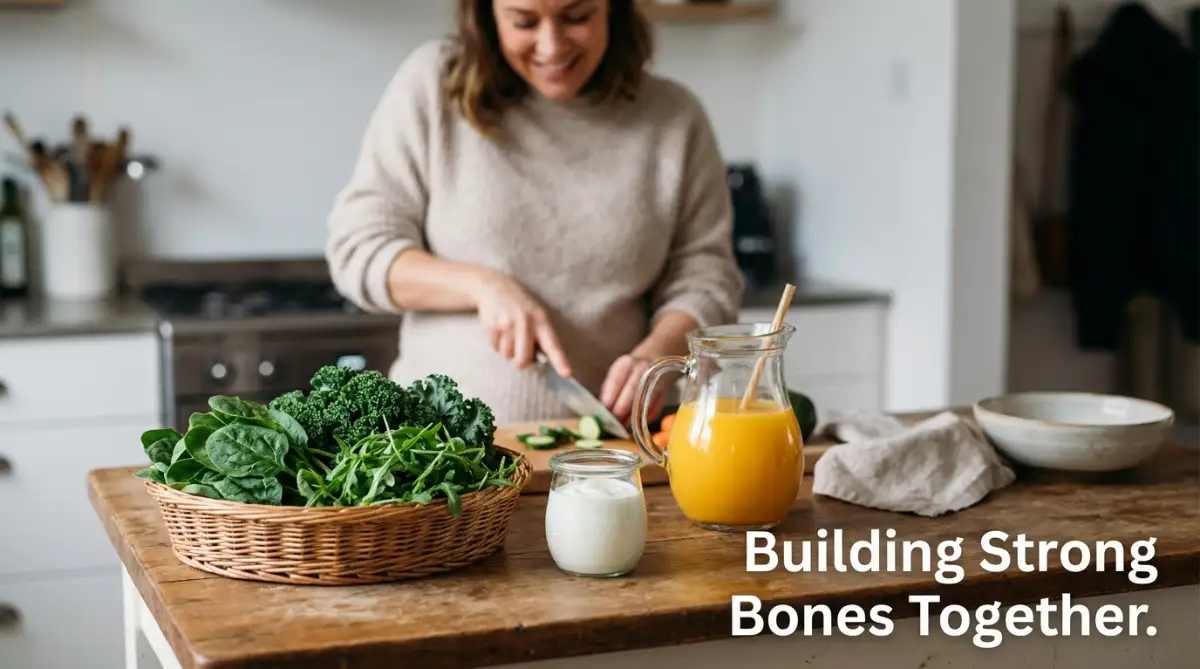
How Your Body Changes and Demands More Support
When you first discover you are expecting, your entire system goes through a massive shift. Your baby is building a brand-new skeleton from scratch. This incredible process requires a massive amount of minerals every single day.
To support this rapid fetal bone development, your body naturally tries to adapt. Your digestive system actually becomes more efficient at pulling nutrients from the food you eat. But even with this natural boost, you still need a steady, reliable source of nutrition coming in.
If you are not getting enough from your meals, your maternal bone density takes a direct hit. This means your bones become slightly weaker as they sacrifice their stored minerals for the baby. Protecting your maternal bone density early on can prevent serious joint pain and fractures later in life.
You might think that simply drinking an extra glass of milk is the perfect solution. However, human biology is a bit more complicated than that. It is not just about what you swallow, but what your body can actually absorb and use effectively.
Beating the Early Pregnancy Hurdles
The beginning of this journey is often the hardest part for your stomach. Finding good Health tips that actually work can feel overwhelming when everything makes you feel ill. The smell of cooking food might suddenly send you running to the bathroom.
This is where dealing with morning sickness becomes a massive roadblock for your nutrition. When you can barely eat plain toast, thinking about a balanced diet feels like a joke. You need practical Prenatal dietary hacks to get through the day without losing out on essential minerals.
To start, you need to find easy Nausea relief foods that also pack a nutritional punch. Cold, plain yogurt is an amazing option for many mothers. It is soothing on an upset stomach and serves as one of the best calcium-rich foods for pregnancy.
Sipping on bone broth is another excellent way to soothe your stomach while getting some minerals. Effective Managing pregnancy nausea means eating very small, frequent snacks rather than heavy meals. Keep these light, nutrient-dense snacks right next to your bed so you can eat before you even stand up.
Building a Strong Foundation: Diet Strategies
As you settle into your routine, creating a simple First trimester diet becomes incredibly helpful. You do not need to cook complicated recipes to get what you need. Small, consistent choices make the biggest difference for your skeleton and your baby.
Smart Pregnancy meal planning allows you to mix and match simple ingredients without feeling overwhelmed. Think about adding a handful of fortified cereals to your morning routine. This is a very simple way to introduce calcium-rich foods for pregnancy without feeling too full.
When you look for reliable Pregnancy health tips, you will see that variety is key. You do not have to rely entirely on dairy products if they upset your stomach. Fortified almond milk, tofu, and chia seeds are fantastic alternatives that support fetal bone development beautifully.
In fact, focusing on Healthy eating for moms means finding what works specifically for your unique body. If cheese gives you heartburn, try blending some mild leafy greens into a fruit smoothie. The fruit completely hides the taste of the greens, but you still get all the amazing benefits.
The Science of Maximizing Your Intake
Did you know that eating a lot of minerals at once is actually a bad idea? Your body can only process about 500 milligrams of this mineral at one single time. Anything extra you consume in that meal just gets flushed out of your system.
This is why maximizing calcium absorption requires spreading your meals out throughout the day. Instead of one massive bowl of yogurt in the morning, split it into two smaller snacks. This simple trick forces your body to absorb significantly more nutrients overall calcium rich foods for pregnancy morning sickness prenatal dietary hacks first trimester diet healthy eating for moms
You also need a helper to unlock these minerals in your stomach. Vitamin D acts like a special key that opens the doors in your intestines, allowing the minerals to enter your bloodstream. Without enough Vitamin D, maximizing calcium absorption is practically impossible, no matter how perfectly you eat.
Try to spend a few minutes in gentle morning sunlight every day. This natural habit supports both your mental health and your physical ability to process nutrients. It is one of the most powerful, free Health tips you can easily add to your daily routine.
Navigating the World of Pills and Gummies
Even with the most perfect diet, you might still need a little extra help from the pharmacy. This is where prenatal calcium supplements step in to bridge the gap between what you eat and what you actually need. Choosing the right one can feel a bit confusing with so many options on the shelves.
There are mostly two types you will find: carbonate and citrate. Carbonate requires stomach acid to dissolve properly, so you must always take it with a meal. Citrate, on the other hand, can be taken on an empty stomach, which is great if you are still battling morning sickness.
If you are relying on prenatal calcium supplements, be careful about how you combine them with other pills. Iron and calcium hate each other and will fight for absorption in your stomach. Always take your iron pills at a completely different time of day to ensure both do their jobs correctly.
Always talk to your healthcare provider before adding new pills to your routine. They can look at your specific blood work and recommend exactly what you need. Proper guidance ensures you are supporting fetal bone development safely and effectively.
Sneaky Things That Block Your Nutrition
Sometimes, the healthy foods we love actually work against us. Certain compounds found in plants can bind to minerals in your stomach and carry them straight out of your body. Spinach, for example, is famous for having high levels of oxalates.
While spinach is undeniably great for Women health, your body struggles to extract its bone-building minerals because of these oxalates. You do not have to stop eating spinach, but you should not count it as your primary source of minerals. Pair it with foods rich in Vitamin C to help your body process it better.
Caffeine is another major blocker that forces minerals out through your urine. Limiting your morning coffee is not just a standard rule; it actively helps in maximizing calcium absorption. Try switching to naturally decaffeinated herbal teas that offer a warm, comforting start to your day.
Excessive salt can also drain your reserves very quickly. When your kidneys work to process heavy amounts of sodium, they accidentally throw away valuable minerals along with it. Keep your meals lightly seasoned and rely on fresh herbs for flavor instead of a heavy salt shaker.
Practical Solutions for Busy Mothers
Life does not pause just because you are expecting a baby. Balancing work, home, and Healthy eating for moms requires practical systems, not perfect ideals. Preparing simple snack boxes on Sunday can save you during a stressful Tuesday afternoon.
Good Pregnancy meal planning might look like boiling some edamame beans and keeping them in the fridge for quick access. They are refreshing, easy to snack on, and loaded with the exact nutrients you need. These small Prenatal dietary hacks keep your energy steady without requiring any cooking time.
If you struggle with remembering to drink enough water, this can also impact your digestion and nutrient delivery. Your blood volume increases massively right now, and water is the main transportation system for all your nutrients. Keep a colorful water bottle nearby to remind yourself to sip constantly prenatal calcium supplements fetal bone development maximizing calcium absorption maternal bone density women health
This is a core part of any comprehensive Pregnancy nutrition guide. Hydration keeps your bowels moving smoothly, especially when you are taking prenatal calcium supplements which are known to cause mild constipation.
Expert Strategies for Your First Trimester
The earliest weeks are often characterized by severe exhaustion and food aversions. Surviving this phase requires patience and a focus on highly specific Nausea relief foods. Crackers and plain toast are great, but they do not offer much nutritional support.
Try creating a specialized First trimester diet that focuses on liquid nutrition. Smoothies made with fortified soy milk and a spoonful of almond butter are incredibly gentle on the stomach. They slip down easily and provide massive support for fetal bone development.
If you are actively Managing pregnancy nausea, ginger tea is a famous and effective remedy. You can sip ginger tea about thirty minutes before trying to eat your main meal. This calms the stomach lining and makes you much more receptive to nutrient-dense foods.
Remember that Women health during this delicate phase is all about grace and survival. Do not stress if you have a few days where you only eat plain pasta. Just return to your calcium-rich foods for pregnancy as soon as your stomach allows it.
The Myth vs. Reality of Maternal Health
There are so many old tales passed down about what you should and shouldn't do right now. Let's look at a quick comparison to clear up the confusion.
Myth: You lose a tooth for every child you have.
Reality: This old saying comes from times before modern nutrition. If you actively protect your maternal bone density, your teeth and skeleton will remain perfectly healthy and intact.
Myth: You must drink cow's milk every day to have a healthy baby.
Reality: Plant-based sources like fortified oat milk and firm tofu are completely valid options. A good Pregnancy nutrition guide will always offer multiple pathways to reach your daily goals without forcing you to consume dairy.
Myth: Supplements are just as good as real food.
Reality: Food contains complex blends of vitamins that work together harmoniously. Using prenatal calcium supplements is a great backup plan, but they should never completely replace a colorful, varied diet.
Understanding these facts removes a lot of the anxiety and pressure you might be feeling. It empowers you to make choices based on science rather than outdated fears.
Staying Active to Lock in the Benefits
Eating right is only one side of the coin when it comes to a strong skeleton. Your bones are living tissues that respond to the demands you place on them. Gentle, weight-bearing exercise tells your body to actively store the minerals you just ate.
Simple activities like brisk walking or prenatal yoga send clear signals to your bones to stay strong. This daily movement heavily supports your maternal bone density throughout the entire nine months. It also helps immensely with your mood and energy levels.
When you pair physical activity with maximizing calcium absorption, the results are amazing. Your joints feel more supported, and your risk of late-stage pregnancy aches drops significantly. Always listen to your body and stick to comfortable, safe movements.
These are the kind of actionable Pregnancy health tips that change your entire experience. You transition from just surviving the nine months to actively thriving and building a resilient body.
Preparing for the Final Trimester and Beyond
As you enter the final stretch, the baby's growth accelerates at a stunning rate. During the third trimester, the demand for minerals peaks as the baby’s skeleton hardens. This is the exact moment you need to strictly enforce all your good habits.
Keep an eye on your calcium-rich foods for pregnancy and ensure you are hitting your daily marks consistently. If you feel sudden fatigue returning, it might be a sign to adjust your intake again. Check your prenatal calcium supplements to make sure you are still on track.
It is also smart to think about what happens after the baby is born. If you plan to breastfeed, your body will continue to draw heavily from your mineral reserves. Protecting your maternal bone density does not stop at delivery; it is an ongoing process.
By mastering these habits now, you are setting yourself up for a much smoother postpartum recovery. Your body will thank you for the extra care, love, and attention you provided during its most demanding season.
Wrapping Up Your Daily Routine
To put all of this into practice, start small. Look at your current meals and find just one place to add an extra source of strength. Maybe it is a slice of cheese with your afternoon apple, or an extra splash of fortified milk in your morning bowl of oats.
Track how you feel over the next week. Notice if your nighttime leg cramps slowly disappear. Pay attention to how much more energy you have when you intentionally support your fetal bone development with the right fuel.
Every single bite you take is a beautiful act of love for your growing baby. It is a promise to yourself that your health matters just as much as theirs. Keep taking it one gentle step at a time, and trust that you are doing an incredible job building a strong, healthy future for both of you.
The Secrets to Unlocking True Mineral Absorption
You already know that eating the right meals is incredibly important for your body right now. But simply eating good food does not guarantee that your body is actually using those nutrients. Understanding how your digestive system works is the ultimate game-changer for Women health during this journey.
I want to share a concept called "bioavailability" with you. This simply means how easily your stomach and intestines can extract and use the minerals you swallow. If you master this process, you will easily protect your maternal bone density without having to eat perfectly every single day.
Let's look at the hidden helpers that make this entire process work smoothly. Your body needs a specific team of nutrients working together to get the job done right.
The Bone Building Trio: Vitamin D, Magnesium, and K2
Before we jump into how to properly space out your meals, watch this quick and highly visual breakdown of exactly how Vitamin D and K2 transport minerals through your bloodstream. It makes understanding this complex process incredibly easy, and the tips shared in the second half of this video perfectly match the dietary tricks we are about to discuss below!
Think of the minerals you eat as raw building materials, like bricks for a new house. Your baby needs these bricks for healthy fetal bone development. But bricks cannot move themselves; they need a delivery truck to take them to the construction site.
Vitamin D acts exactly like that delivery truck. It picks up the minerals from your intestines and carries them safely into your bloodstream. Without enough Vitamin D, those valuable minerals simply pass through your digestive system and leave your body.
But the process does not stop there. Once the minerals are in your blood, they need a site manager to tell them exactly where to go. This is where Vitamin K2 and Magnesium step in to direct traffic.
Vitamin K2 ensures that the minerals are deposited directly into your bones and your baby's skeleton. It actively prevents these minerals from building up in your arteries, keeping your heart healthy. Taking prenatal calcium supplements without these co-factors is like dropping bricks on an empty lot with no builders around.
Spacing Out Your Nutritional Intake
Your body is incredibly smart, but it has very strict processing limits. It can only process a maximum of 500 milligrams of bone-building minerals at one single time. If you drink a massive smoothie packed with 1000 milligrams, your body will just flush the extra half away.
The most effective strategy for maximizing calcium absorption is breaking your intake into smaller, manageable portions. Spread your nutrient-dense snacks out every few hours. This gives your digestive system plenty of time to process, package, and deliver the goods.
This is why smart Pregnancy meal planning does not have to mean massive, heavy meals. A small cup of fortified yogurt in the morning, and a handful of almonds in the afternoon works perfectly. It keeps your blood levels steady and provides continuous support for your baby.
If you are struggling with keeping these snacks down, you are definitely not alone. Finding a solid routine is tough when everything makes you feel ill. I highly recommend learning how to beat morning sickness during pregnancy so you can get back to eating comfortably.
The Gut Health Connection You Should Not Ignore
Your intestines are the grand central station of nutrient absorption. If your gut lining is inflamed or sluggish, maximizing calcium absorption becomes much more difficult. Pregnancy hormones naturally slow down your digestion, which is why so many mothers experience uncomfortable bloating.
Supporting your gut flora with natural probiotics can dramatically improve how much nutrition you extract from your food. Fermented foods like kefir or mild sauerkraut are amazing additions to your First trimester diet. They introduce friendly bacteria that help break down tough plant fibers.
When your digestion is working smoothly, you will naturally pull more minerals from your calcium-rich foods for pregnancy. You will also experience much less heartburn and indigestion after eating. It is a simple adjustment that pays off beautifully for both you and your baby.

Hidden Traps That Secretly Drain Your Reserves
Even the most dedicated mothers can easily fall into well-meaning health traps. We often assume that combining all our healthy habits at once will give us the best results. Unfortunately, human biology rarely works that simply, and mixing the wrong things can sabotage your efforts.
Let's walk through some of the most common pitfalls expecting mothers face when trying to improve their nutrition. Avoiding these simple errors will save you from unnecessary fatigue, joint pain, and nutritional deficiencies.
The Ultimate Clash: Iron and Calcium
This is perhaps the single biggest mistake mothers make with their daily routine. You are likely taking an iron supplement to support your increasing blood volume. You might decide to swallow this iron pill with a cold glass of milk to protect your stomach.
This creates a massive conflict inside your digestive system. These two minerals actively fight each other for the exact same absorption pathways in your intestines. When they compete, neither of them gets absorbed properly, leaving you deficient in both.
If you want to protect your maternal bone density and prevent anemia, you must separate them. Take your iron pill with a glass of orange juice in the morning, as Vitamin C boosts iron absorption. Then, save your prenatal calcium supplements or dairy snacks for the late afternoon or evening.
This simple timing trick ensures that your Healthy eating for moms routine actually works. According to the guidelines provided by the American College of Obstetricians and Gynecologists, spacing out competing supplements is highly recommended for optimal maternal health.
I actually learned this lesson the hard way during my second trimester when my blood test showed I was still severely anemic. I was proudly washing down my iron pills with a big glass of cold milk every single morning, completely unaware that the milk was blocking almost all the iron from absorbing! Once I started taking my iron with orange juice at breakfast and saving my yogurt for an afternoon snack, my energy levels completely transformed within just two weeks.
The "Anti-Nutrient" Illusion in Healthy Foods
We have always been told that dark leafy greens are the ultimate health food. While spinach and Swiss chard are wonderful for general Women health, they hold a sneaky secret. They contain high levels of compounds called oxalates and phytates.
These compounds are sometimes called "anti-nutrients" because they tightly bind to minerals in your digestive tract. When you eat a massive bowl of raw spinach, the oxalates lock onto the minerals, making them completely useless to your body. You will eat a highly nutritious meal, but your bones will receive almost nothing from it.
You do not need to banish these vegetables from your Pregnancy nutrition guide. Simply cooking or gently steaming your greens dramatically reduces the oxalate levels. Adding a squeeze of fresh lemon juice also helps break down these bonds, freeing up the minerals for your body to use.
Letting Nausea Dictate Your Nutrition
The early stages of carrying a baby can feel like a constant battle against your own stomach. When the mere thought of food makes you gag, getting enough minerals feels impossible. Many mothers simply give up and survive entirely on dry crackers for weeks.
While giving yourself grace is important, prolonged periods of poor eating will heavily impact fetal bone development. Your baby will aggressively pull minerals from your teeth and skeleton to survive. You have to find creative ways to sneak nutrition in without triggering your gag reflex.
This requires testing different temperatures and textures until you find what your stomach tolerates. Ice-cold liquids are often much easier to manage than warm, heavy meals. You can say goodbye to morning sickness with the best nausea relief foods by focusing on items that soothe and nourish simultaneously.
Assuming "More is Always Better"
When we worry about our babies, our natural instinct is to overcompensate. You might think that taking double the dose of your supplements will build a stronger skeleton. This is a very dangerous assumption that can actually harm your kidneys.
Your body meticulously controls how much of these minerals stay in your blood. If you flood your system with excessive amounts of prenatal calcium supplements, your kidneys have to work overtime to filter it out. This heavy burden can lead to painful kidney stones, which is the last thing you want right now.
Always stick to the recommended daily limits provided by your healthcare team. Excellent Pregnancy health tips always focus on balance and consistency, rather than extreme doses. Trust that your body knows exactly how to handle a moderate, steady supply of nutrients.
Ignoring the Early Warning Signs
Your body has a brilliant communication system, but we often ignore the quiet alarms it sends. If you start noticing that your teeth feel sensitive when you drink cold water, pay attention. This is often the very first sign that your maternal bone density is taking a direct hit.
Frequent, painful leg cramps in the middle of the night are another massive red flag. These spasms usually indicate a severe imbalance in your mineral levels, particularly magnesium and calcium. Do not just rub your leg and try to go back to sleep; your body is asking for immediate dietary support.
When you notice these symptoms, revisit your Pregnancy meal planning right away. Check if you have been skipping your snacks or forgetting your daily sunshine exposure. Small adjustments made early can completely reverse these uncomfortable symptoms.
If you are feeling completely lost on where to start, getting back to basics is the best approach. You can easily build a solid foundation by following the ultimate first trimester diet to gently reset your stomach and nutritional intake.
Your Action Plan for Lifelong Strength
We have covered a massive amount of information regarding your physical health and your baby's growth. The science of maximizing calcium absorption might seem complex, but the daily execution is actually quite simple. You hold the power to build a resilient, strong body starting today.
Let’s translate all this medical knowledge into a highly practical, stress-free routine for tomorrow morning. You do not need a perfect day; you just need a few intentional moments of self-care.
A Simple Daily Checklist for Expecting Mothers
1. The Morning Sunshine Ritual
Before you even look at your phone, step outside for just ten minutes. Let the morning sunlight hit your arms and face to naturally boost your Vitamin D production. Sip on a gentle ginger tea if you are actively Managing pregnancy nausea.
2. The Mid-Morning Power Snack
Skip the heavy breakfasts if they make you feel sluggish. Instead, enjoy a small bowl of Greek yogurt topped with chia seeds. This simple combination provides highly absorbable calcium-rich foods for pregnancy without overwhelming your digestive tract.
3. The Afternoon Separation Rule
If you need to take an iron pill, do it right after a light, citrus-based lunch. Wait at least two full hours before consuming any more dairy or heavy mineral supplements. This guarantees that your Healthy eating for moms strategy is working at peak efficiency.
4. The Evening Wind Down
Take your prenatal calcium supplements (preferably the citrate version) with a small, easy-to-digest dinner. A warm bowl of fortified bone broth is an excellent, soothing way to end the day. It provides the exact materials needed for overnight fetal bone development.
A Final Word of Encouragement
Growing a human life is the most physically demanding task your body will ever perform. It is entirely normal to feel exhausted, overwhelmed, and a bit anxious about doing everything perfectly. Please remember that your body was beautifully designed for this exact process.
Every time you choose a nutrient-dense snack, you are actively protecting your future self. You are ensuring that you will have the strength to run, play, and safely carry your child for years to come. These simple Prenatal dietary hacks are an investment in your lifelong mobility and joy.
Do not let temporary setbacks or bad eating days discourage you. Just wake up the next morning, step into the sunlight, and start fresh. You are doing an incredibly beautiful job, and your baby is so lucky to have a mother who cares this deeply.
Trust me, taking these small daily steps to protect your bones is the best gift you can give your future self. I want you to pick just one simple trick from this list today—like spending ten minutes in the morning sun—and stick with it. Your body is doing something incredibly magical right now, and you absolutely deserve to feel strong, supported, and capable through every single moment of this journey.
Disclaimer:
The information provided in this article is for educational and informational purposes only and does not constitute medical advice. Every pregnancy is unique, and individual nutritional needs vary greatly. Always consult with your obstetrician, midwife, or a qualified healthcare professional before making any changes to your diet, exercise routine, or supplement intake.