7 OTC Human Medications Safe for Dogs in Emergencies
It is two in the morning on a rainy Tuesday. Your dog is scratching endlessly at a raw, red spot on their tummy. Or perhaps they are pacing the floor with a rumbling, uncomfortable stomach.
You look at your sleeping family, then at your dog's sad, pleading eyes. Your local veterinary clinic is closed, and the nearest emergency hospital is an hour away. Your heart sinks. You open your bathroom cabinet, hoping to find something to ease their discomfort.
I still remember the night my golden retriever, Buster, woke me up scratching his ears until they bled. I sat on my kitchen floor at 3:00 AM, looking at our family medicine cabinet with tears in my eyes, completely terrified of making a wrong choice. It was in that helpless moment that I realized how important it is for every pet parent to know exactly which human medications are safe in a pinch.
You see familiar boxes of allergy pills, stomach relievers, and ointments. You wonder if any of these everyday items can help your furry friend. The fear of making them sicker keeps you frozen.
This is a common struggle for pet owners everywhere. We want to help our dogs quickly, but we are terrified of doing the wrong thing. Our pets depend on us to make the right choices for their safety.
This guide will show you how to identify safe options in your medicine cabinet. You will learn how to read active ingredients carefully. We will walk you through the exact items that can offer quick relief when used correctly.
Understanding the Golden Rules of Dog First Aid
Before we look at the specific items in your cabinet, we must set some simple rules. Your dog's body does not process chemicals the same way your body does. A tiny change in active ingredients can cause a serious medical emergency.
Always look at the active ingredients list on the back of the box. Do not rely on the brand name on the front. Companies often change their formulas while keeping the same brand name.
Some syrup formulas contain xylitol to make them taste better for humans. Xylitol is highly toxic to dogs and can cause sudden liver failure. Always ensure the medication is plain and free of artificial sweeteners.
Never guess the amount of medicine to give your dog. A dose that helps a large German Shepherd could harm a tiny Chihuahua.
Keep an updated record of your dog's weight in pounds and kilograms. This makes calculating the correct amount simple and safe during an emergency.
This guide is for informational purposes and minor emergencies. A quick phone call to your vet clinic can confirm if a medication is safe for your dog's specific health history.
Many clinics have an on-call technician who can answer dosage questions for free. It is always better to be safe and double-check.
1. Diphenhydramine (Plain Benadryl)
This is one of the most common medications in many home cabinets. It is highly effective for dogs suffering from mild allergic reactions.
If your dog gets stung by a bee, they may experience swelling and redness. Diphenhydramine blocks the histamine response in their body.
It also helps soothe intense itching from seasonal pollen allergies. This can prevent your dog from chewing their skin raw.
You must buy the version that contains only diphenhydramine as the active ingredient. Do not use products labeled "Benadryl-D" or any formula containing decongestants like pseudoephedrine.
Decongestants can cause dangerous spikes in your dog's heart rate and blood pressure. Avoid liquid formulas that contain alcohol or artificial sweeteners.
The standard safe dosage is 1 milligram of diphenhydramine per pound of body weight. You can give this dose two to three times a day.
For example, a twenty-pound dog would need a twenty-milligram dose. Always start with a slightly lower dose to see how your dog reacts.
Keep a close eye on your dog after giving this medication. It can make some dogs very sleepy or slightly hyperactive.
If you notice rapid breathing, extreme lethargy, or foaming at the mouth, contact a vet immediately. These signs suggest your dog is having a bad reaction to the medication.
2. Famotidine (Plain Pepcid AC)
Stomach acid issues can make your dog miserable and restless. Famotidine is an excellent option for managing minor digestive discomfort.
This medication is an acid reducer. It reduces the amount of acid produced in your dog's stomach.
It helps treat acid reflux, mild gastritis, and stomach ulcers. If your dog is vomiting bile in the early morning, this medicine can help soothe their stomach lining.
Make sure you buy plain Pepcid AC or generic famotidine. Do not use the "Complete" version, which contains antacids like calcium carbonate.
Ensure the tablets are not flavored chewables. Many flavored chewables contain artificial ingredients that can upset your dog's digestive system.
The typical dose is 0.25 to 0.5 milligrams per pound of body weight. You can give this medication once or twice every twenty-four hours.
It works best when given on an empty stomach about thirty minutes before a meal. This gives the medicine time to coat and protect the stomach.
Most dogs tolerate famotidine very well with minimal side effects. However, some dogs may experience temporary diarrhea or a reduced appetite.
If your dog becomes unusually weak or dizzy, stop using the medication. These are rare signs that require professional veterinary attention.
3. Dimenhydrinate (Plain Dramamine)
Car rides should be fun adventures for you and your pet. However, motion sickness can turn a fun road trip into a messy, stressful experience.
Dimenhydrinate helps reduce nausea and dizziness caused by car motion. It calms the inner ear balance system during travel.
It also has a mild calming effect. This can help reduce travel anxiety in nervous dogs.
Check the label to ensure the active ingredient is only dimenhydrinate. Avoid any travel sickness formulas that contain ginger or other herbal mixtures unless approved by your vet.
Never use non-drowsy formulas. These often contain stimulants that can make your dog highly anxious.
The safe dosage is 2 to 4 milligrams per pound of body weight. Give this medication at least thirty minutes before you start your car journey.
This gives the tablet enough time to enter your dog's system. It can keep your dog comfortable for up to eight hours.
Dramamine will likely make your dog sleepy for several hours. This is normal and usually helps them rest during the trip.
Watch out for dry mouth, which may cause your dog to lick their lips often. Ensure they have access to fresh water once you arrive at your destination.
4. Polyethylene Glycol 3350 (MiraLAX)
Constipation can make your dog feel bloated, heavy, and highly uncomfortable. This gentle laxative can help get their digestive system back on track.
This compound is an osmotic laxative. It draws water into your dog's colon to soften dry, hard stool.
This makes it much easier for your dog to pass waste without straining. It is not a stimulant, so it does not cause painful cramping.
Buy the unflavored powder version of this product. Never buy any brands that contain added fiber, flavorings, or sweeteners.
The powder should dissolve completely in water without leaving a strong taste or smell.
For small dogs, start with one-quarter of a teaspoon daily. Medium dogs can take one-half of a teaspoon, while large dogs can have one full tablespoon.
Mix the powder thoroughly into a small amount of wet food or warm water. Ensure your dog drinks plenty of water while taking this laxative.
The most common side effect of too much laxative is watery diarrhea. If this happens, reduce the dosage or stop using it completely.
If your dog continues to strain without passing stool for more than thirty-six hours, they may have a serious blockage. Stop the medication and see your vet immediately.
5. Triple Antibiotic Ointment (Plain Neosporin)
Dogs love to run through bushes and explore rough terrains. This active lifestyle can lead to minor scratches, cuts, and scrapes on their skin.
This ointment contains three different antibiotics that help prevent skin infections. It creates a protective barrier over minor wounds.
It helps the skin heal faster while keeping dirt and debris out of the cut.
Use the original, plain triple antibiotic ointment. Do not use versions with added pain relief ingredients like pramoxine hydrochloride.
These extra pain relievers can cause skin irritation or stomach upset if your dog licks them.
Clean the wounded area gently with warm water and mild soap first. Pat the skin dry with a clean towel.
Apply a very thin layer of ointment to the wound twice daily. Use only a tiny amount to prevent grease buildup on their fur.
Dogs have a natural instinct to lick their injuries. Licking off the ointment can cause mild stomach upset and slow down the healing process.
Consider putting an Elizabethan collar or a clean t-shirt on your dog for fifteen minutes after application. This gives the ointment time to absorb into the skin safely.
6. Hydrocortisone Cream (1% Strength)
Red, itchy hot spots can appear quickly on your dog's skin. This simple cream can provide fast relief from intense itching and swelling.
Hydrocortisone is a mild steroid cream. It reduces localized swelling, redness, and itching almost immediately.
It is highly effective for bug bites, mild rashes, and allergic contact dermatitis from weeds or grasses.
Look for a maximum strength 1% hydrocortisone cream. Do not use creams that contain added ingredients like zinc oxide or strong astringents.
Zinc oxide is toxic to dogs if swallowed in large quantities. Keep the formula as simple as possible.
Apply a small dab of cream directly to the irritated area of the skin. Gently rub it in until the white cream is completely absorbed.
You can apply this cream once or twice daily for up to three days. Do not use it on open, bleeding wounds.
Using steroid creams for too long can thin your dog's skin and delay healing. If the rash does not improve after three days, stop using the cream.
Watch for signs of increased thirst or urination. This can happen if your dog licks a large amount of the cream off their skin.
7. Artificial Tears (Plain Lubricating Eye Drops)
Dust, pollen, and wind can leave your dog with red, irritated, or dry eyes. Plain eye drops can wash away these irritants safely.
These drops mimic natural tears to soothe dry eyes and flush out dust. They provide instant relief for dogs that have spent the day running in dry or dusty fields.
They help keep the eyes moist and comfortable without using active chemicals.
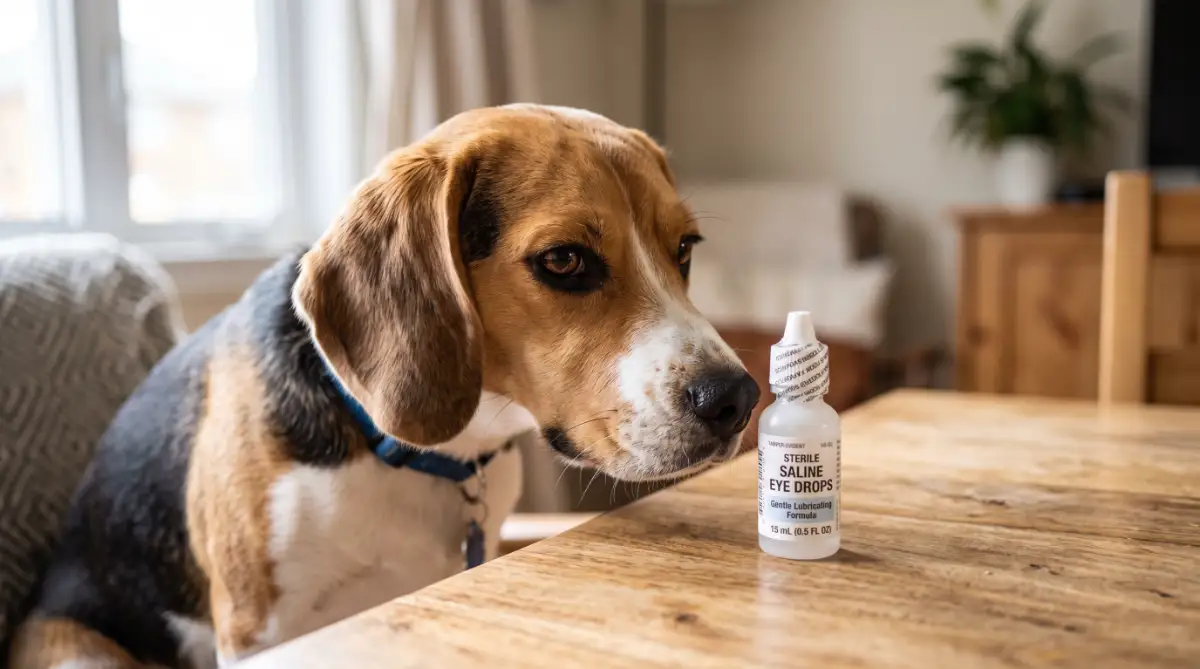
Look for plain lubricating eye drops or natural tears. The only ingredients should be water and mild lubricants.
Never use drops designed to "get the red out" or those containing vasoconstrictors like tetrahydrozoline. These drops can restrict blood flow to your dog's eyes and cause painful side effects.
Gently hold your dog's head steady and lift their muzzle slightly. Squeeze one or two drops directly into the corner of the affected eye.
Avoid touching the tip of the bottle to your dog's eye to keep it clean. You can use these drops three to four times a day.
If your dog starts squinting, rubbing their eyes on the carpet, or showing green discharge, stop the drops. These signs suggest a scratch on the cornea or a serious eye infection.
Eye injuries can worsen quickly. Seek veterinary care immediately if you notice these symptoms.
Myth vs. Reality: Pet Medication Safety
Many common beliefs about pet medications are incorrect and dangerous. Let us look at the facts behind these safety myths.
- Myth: "If a medicine is safe for a human baby, it is safe for my dog."
- Reality: This is a highly dangerous assumption. A dog's liver and kidneys process drugs differently than a human infant's. Even baby aspirin can cause stomach bleeding in dogs if given incorrectly.
- Myth: "You can use ibuprofen or Tylenol for dog joint pain."
- Reality: Never give your dog ibuprofen or Tylenol. These medications are highly toxic to dogs. A single tablet can cause fatal kidney damage or destroy their red blood cells.
- Myth: "Applying more ointment will make the wound heal faster."
- Reality: Thick layers of ointment trap moisture and dirt, which can lead to bacterial infections. A very thin layer is always safer and more effective.
The Danger Zone: Human Meds to Avoid
Some common human medicines are highly toxic to dogs. Make sure these items are stored securely out of your dog's reach.
This pain reliever damages a dog's liver cells very quickly. It also stops their red blood cells from carrying oxygen through their body.
Signs of poisoning include blue gums, rapid breathing, and facial swelling. This is a life-threatening medical emergency.
Ibuprofen causes deep, painful ulcers in a dog's stomach lining. It can also cause sudden, irreversible kidney failure.
Even a very small dose can make a small dog extremely sick. Always keep these pain pills in a secure, high cabinet.
Cold medicines often contain multiple active ingredients to treat different symptoms. These ingredients can cause high blood pressure, seizures, and heart failure in dogs.
Always check your medicine cabinet carefully to ensure these products are kept far away from your pets.
Struggling to get your stubborn pup to swallow a pill without them spitting it back out? Watch this quick, stress-free video demonstration to see the perfect technique in action, and then read the simple steps below to try it at home!
Step-by-Step: How to Give Your Dog a Pill Safely
Giving a tablet to a stubborn dog can be highly stressful. Follow these gentle steps to make the process easier for both of you.
Hide the pill inside a small piece of soft, tasty food. Plain cream cheese, peanut butter (ensure it is xylitol-free), or a wet treat works perfectly.
Roll the food into a small ball so your dog can swallow it easily without chewing.
Prepare three identical food balls, but only hide the pill inside the second one. Give your dog the first plain ball to build their trust.
Quickly offer the second ball containing the pill. Follow it immediately with the third plain ball.
Your dog will usually gulp down the second ball quickly to get to the third one.
Always watch your dog closely for a minute after giving them a pill. Many dogs are experts at hiding pills under their tongue.
They may walk away and spit the pill onto the floor when you are not looking. Ensure they have swallowed the food completely before relaxing.
When to Skip the Cabinet and Call the Emergency Vet
Home remedies are helpful for mild issues, but they have clear limits. You must know when your dog needs professional help immediately.
If your dog is wheezing, gasping, or has sudden swelling around their muzzle, do not wait for home meds to work. These are signs of a severe allergic reaction.
This is a life-threatening emergency that requires immediate veterinary care.
If your dog cannot keep water down or has watery diarrhea for more than twenty-four hours, they can dehydrate quickly.
This is especially dangerous for small puppies and older dogs. They need professional care and IV fluids to recover.
If your dog is unusually weak, cannot stand up, or seems disoriented, seek professional help immediately.
These symptoms can point to internal bleeding, poisoning, or severe infections. Do not try to treat these complex issues at home.
Building a Safe Canine Emergency Kit
Having the right items ready can save you valuable time during a late-night pet emergency. Keep these simple items in a dedicated box.
- Plain Diphenhydramine (Benadryl): For sudden bug bites and allergic reactions.
- Plain Famotidine (Pepcid AC): For sudden acid reflux and mild stomach upset.
- Sterile Saline Solution: To flush out dirty eyes or clean minor scrapes.
- Triple Antibiotic Ointment: To protect minor skin scrapes from dirt.
- Digital Thermometer: To check your dog's temperature (normal is 101 to 102.5 degrees Fahrenheit).
- Syringe (Without Needle): To help measure and give liquid medications safely.
- Vet Wrap or Clean Gauze: To protect minor paw injuries.
Store this kit in a dry, cool place out of your pet's reach. Check the expiration dates on the packages twice a year to keep your kit fresh and ready.
Managing your dog's health at home requires caution and clear information. Many common human medications can offer safe, effective relief when used correctly.
Always check the active ingredients list carefully. Never guess the dosage, and keep your vet's phone number handy.
By staying prepared and informed, you can keep your dog happy, healthy, and safe through minor health issues. Your careful attention is the best care your dog can receive.
Pro-Level Strategies for Managing Dog Medications at Home
When you decide to handle minor dog health issues at home, you must think like a professional. It is not just about choosing the right bottle from your shelf.
You need to know how to store, track, and give these treatments without causing extra stress to your pet. Experienced pet owners use a set of quiet habits that keep their dogs safe during unexpected minor illnesses.
The Magic of a Dedicated Pet Health Diary
One of the most important things you can do is start a physical health log for your dog. Do not rely on your memory during a stressful midnight health scare.
Write down the exact time you noticed your dog scratching or feeling sick. Note down their current weight, the exact active ingredient you gave them, and the time of the dose.
This record is incredibly valuable if you eventually need to visit an emergency clinic. Your veterinarian will be able to see exactly what has been done, which prevents dangerous drug interactions.
Master the Art of Liquid Dosing
Liquid medications can be much easier to administer than hard pills, but they require a steady hand. Many over-the-counter liquids settled at the bottom of the bottle over time.
Always shake the bottle gently for at least ten seconds before drawing the dose. This simple step ensures the active ingredients are mixed evenly throughout the liquid.
Never use a kitchen spoon to measure a dose for your dog. Kitchen spoons vary wildly in size and can easily lead to a dangerous overdose.
Instead, ask your local pharmacist for a plastic oral syringe. These clear syringes let you measure the exact milliliter your pet needs with perfect accuracy.
If your dog is coughing or hacking from a dry throat, you might first try simple home therapies to ease their breathing. Knowing how to stop kennel cough in dogs easily can save you from a stressful, sleepless night.
Understanding How Your Dog's System Processes Meds
It is helpful to know that a dog's liver and kidneys work very hard to break down human medicines. Because of their fast metabolism, some medications do not last as long in their system as they do in ours.
Other drugs can linger in their body for days, which can put a heavy strain on their organs. This is why you must never increase the frequency of a dose without a vet's approval.
If your dog has pre-existing kidney or liver issues, you should avoid giving any human medications at home. Their organs are already working under pressure, and even a safe OTC medicine could cause serious harm.
Always stick to gentle, non-medicated home remedies if your dog has chronic health conditions.
The Power of Calming Routines During Care
Giving medicine should never feel like a battle between you and your dog. If you are tense and anxious, your dog will feel your stress immediately.
Take a deep breath and keep your voice soft and cheerful throughout the process. Act as if you are giving them an exciting new treat rather than a medical treatment.
After you successfully give the medicine, spend a few minutes brushing their favorite spots or playing a quiet game. This positive distraction prevents them from dwelling on the strange taste in their mouth.
It also builds a strong association between medicine time and happy rewards, making the next dose much easier.
If you have an older dog who barks or whines due to discomfort or confusion late at night, a calm approach is especially helpful. Learning how to quickly stop dog barking of senior dogs can help calm their nerves and let everyone rest peacefully.
Hidden Hazards: The Real Mistakes Pet Parents Make
Even the most loving pet owners can make simple mistakes when they are tired or worried. These slip-ups can turn a minor health issue into a major emergency very quickly.
Understanding these common pitfalls will help you protect your dog from accidental harm.
The Trap of Multi-Symptom Formulas
We often buy cold and flu medications that claim to treat three or four different symptoms at once. These multi-symptom products are highly dangerous for dogs.
A bottle might contain a safe antihistamine, but it might also contain acetaminophen for pain and a strong decongestant for stuffy noses.
While the antihistamine helps their skin, the other ingredients can quietly damage their liver and cause their blood pressure to skyrocket.
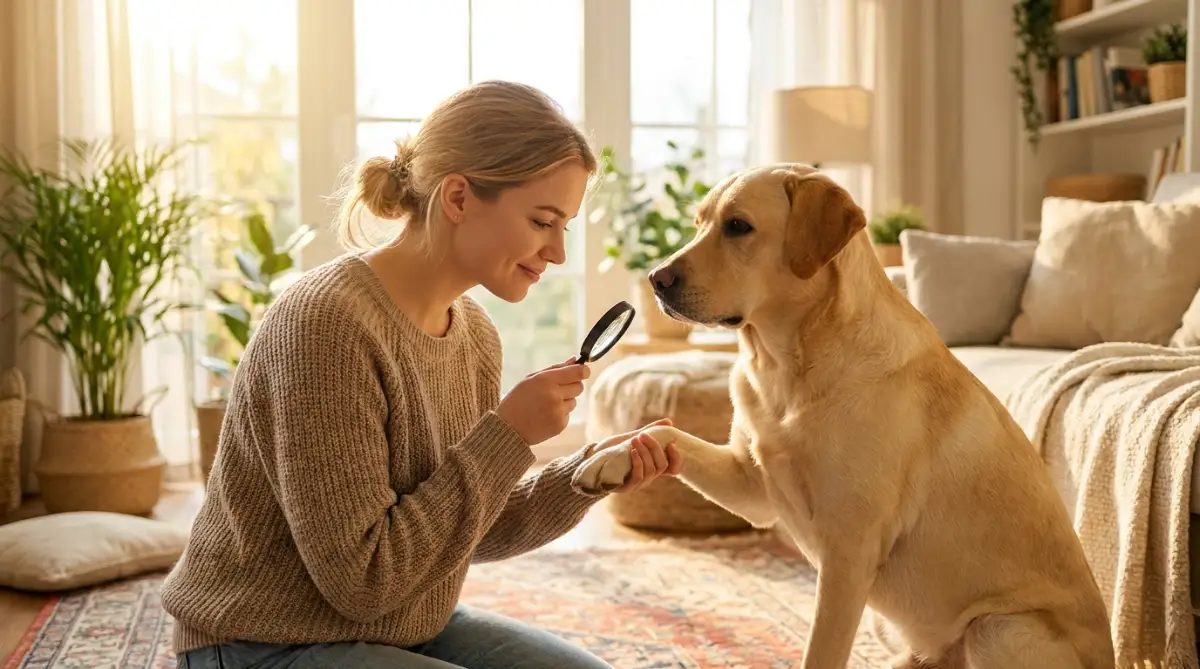
Years ago, I almost made a terrible mistake by grabbing a cold pill that had three different drugs mixed in, simply because the brand name looked familiar. Now, I always keep a small magnifying glass inside my dog's first aid box so I can double-check every single tiny ingredient on the back before a single pill touches his tongue.
Always look for single-ingredient products. If a box has more than one active ingredient listed on the back, put it back on the shelf.
It is much safer to treat one specific symptom with one simple, clean medication.
Confusing Pill Strengths and Sizes
A very common mistake is assuming that all tablets are the same strength. For example, some allergy pills come in ten-milligram tablets, while others come in twenty-five or fifty-milligram doses.
If you grab a bottle without reading the small print, you could easily give your dog double or triple their safe dosage.
Always look at the exact milligrams per pill before you calculate your dose.
Never cut a tiny pill in half unless it has a clear score line down the middle.
Without that line, the active ingredients may not be spread evenly across the tablet. You might give your dog a piece that contains almost all the active medication.
If you ever suspect your dog has swallowed the wrong medicine or too much of a safe one, do not wait for symptoms to show. Immediately contact a professional resource like the ASPCA Animal Poison Control for expert guidance on what to do next.
Overlooking the Danger of Inactive Ingredients
We often spend so much time looking at the main drug that we ignore the long list of inactive ingredients. This is where hidden dangers often hide.
Many liquid medicines and chewable tablets use artificial flavors to make them taste better.
Some brands use xylitol or birch sugar to cut down on real sugar content.
As we mentioned earlier, xylitol is incredibly dangerous for dogs and can cause a life-threatening drop in blood sugar within minutes.
Always read the entire list of extra ingredients on the package.
If you see xylitol, birch sugar, or any chemical names you do not recognize, do not give it to your dog. Stick to plain, simple tablets that do not have sweet coatings or artificial flavors.
The Mistake of Sharing Medications Between Multiple Pets
If you have a large dog and a tiny cat, you must never share the same medicine bottle between them. Cats have an entirely different metabolic system than dogs.
Some medications that are safe for dogs, like certain pain relievers or skin creams, are highly toxic to cats.
Keep your dog's medications completely separate from any medicines you keep for other household pets.
Using the wrong bottle by accident can lead to a terrible tragedy in a multi-pet home.
Mark your dog's specific medicine containers with a bright piece of colored tape so you can identify them instantly in the dark.
Your Immediate Action Plan for Pet Medication Safety
Taking care of a sick dog can feel overwhelming, but you do not have to do it alone. With a little preparation and a calm mind, you can handle minor issues safely at home.
By keeping your medicine cabinet organized and checking labels like a professional, you protect your furry friend from unnecessary harm.
Your Medicine Cabinet Check: A Step-by-Step Guide
Make a plan to audit your home medications this weekend. Grab a box and gather all your over-the-counter options in one well-lit place.
- Step 1: Sort through every bottle and check the expiration dates. Safely throw away anything that is out of date.
- Step 2: Look closely at the active ingredients list on your allergy and stomach pills. Make sure they are plain, single-ingredient products with no added decongestants.
- Step 3: Check the inactive ingredients for hidden sweeteners like xylitol. If a liquid contains any artificial sweeteners, mark it clearly as "Not for Dogs."
- Step 4: Put a copy of your dog's current weight inside the box. Add a small plastic oral syringe and a roll of vet wrap to complete your basic home care kit.
A Message of Encouragement for Pet Parents
Our dogs bring so much joy, love, and laughter into our lives. It is only natural that we want to do everything we can to help them when they are not feeling well.
Remember that being a great pet owner does not mean knowing how to cure every illness yourself.
It means knowing your limits, staying calm, and putting safety first in every situation.
By learning about these safe human options and keeping your vet's phone number close, you are taking a giant step toward becoming a more confident, prepared pet parent.
Trust your instincts, watch your dog closely, and never hesitate to ask a professional for help when you need it. Your dedication and love are the greatest gifts your dog could ever ask for.
Setting up this simple home medicine system has given me so much daily peace of mind, and I know it will do the exact same for you. Take just five minutes today to audit your cabinet and write down your dog's current weight—you will thank yourself the next time a late-night health scare happens.
Professional Pet Care Disclaimer
This educational guide is designed for informational purposes only. It is not a substitute for professional veterinary advice, diagnosis, or medical treatment. Every dog is unique, and individual health histories can change how a pet reacts to over-the-counter human medications.
Always consult a licensed veterinarian or a professional pet poison control center before giving any human medications to your dog. If your pet is showing severe symptoms, difficulty breathing, or sudden changes in behavior, please seek emergency veterinary medical care immediately


