
Simple Ways to Help a Coughing Dog Using Natural Remedies at Home
It starts in the middle of the night. You are fast asleep, and suddenly, a harsh, hacking sound echoes through your bedroom. You sit up quickly, your heart beating fast, only to see your beloved dog shaking, struggling to catch their breath.
A few months ago, my sweet dog woke me up at two in the morning with a terrible, dry hacking sound. I remember sitting on the cold kitchen floor, holding his shaking body, and feeling completely helpless as he struggled to breathe. I did not want to pump his body full of heavy chemicals, so I set out to find safe, natural ways to comfort him. That scary night taught me exactly how stressful a dog cough can be, and it inspired me to share what actually worked for us.
That deep, dry honking sound makes you feel completely helpless. You watch them strain, their small chest rising and falling, and you wish you could take the pain away instantly. It is exhausting for them, and it is mentally draining for you as you sit by their side on the cold floor.
Many pet parents go through this exact struggle every single week. You worry if it is a simple allergy, a cold, or something much worse that requires an urgent visit to the animal clinic. The constant worry keeps you awake, listening to every single breath they take.
You want to help them feel comfortable without immediately filling their body with harsh chemicals or expensive prescription drugs. Knowing how to act quickly with safe, gentle steps can save both you and your pet from hours of stress and sleepless nights.
Easy and Effective Solutions to Soothe Your Dog’s Sore Throat
When your pet has a mild throat tickle or a dry airway, you do not always need to rush straight to the medicine cabinet. Many simple, natural items already sitting in your kitchen can bring fast comfort.
Let us look at some of the most trusted ways to help your dog stop hacking so they can finally get some peaceful rest.
The Soothing Power of Raw Honey
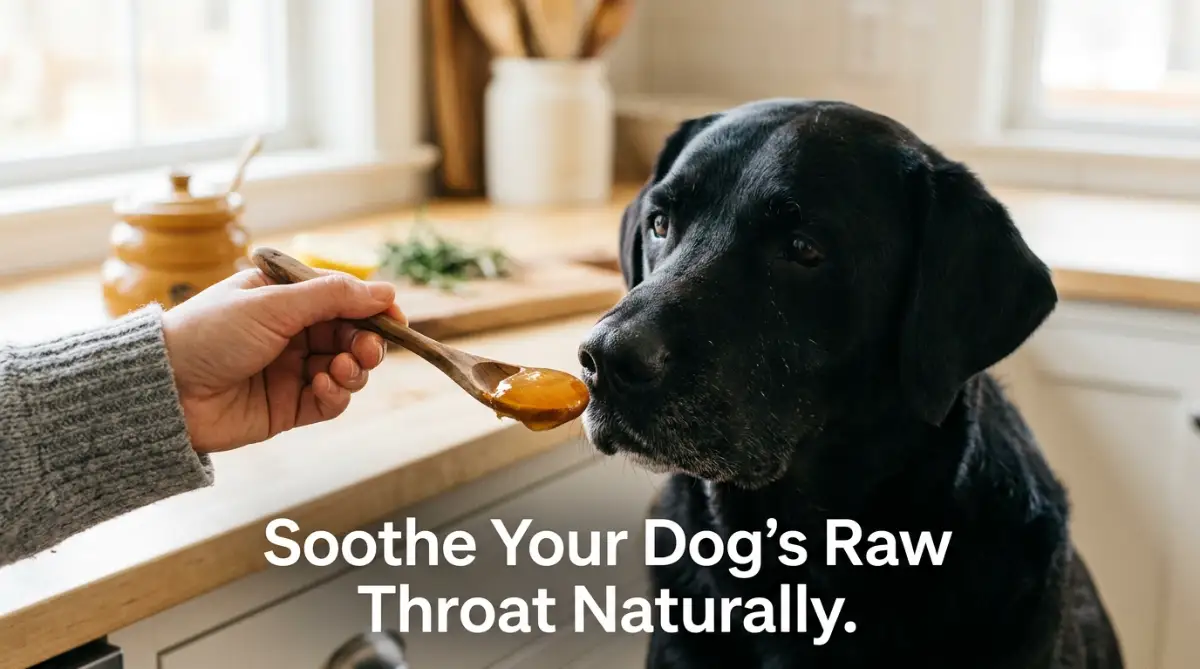
Raw honey is one of the oldest and most trusted ways to ease a dry, scratchy throat. Just like it works for humans, honey leaves a thick, protective layer over the raw tissue in your dog's throat. This reduces the urge to cough and calms down the irritated nerves.
Honey also has natural properties that help fight off tiny germs and bacteria. This makes it an excellent choice if your dog has picked up a mild bug from the local park.
To use this remedy, give your dog a small spoonful of high-quality raw honey. For small dogs, use about half a teaspoon twice a day. For larger dogs, you can safely give up to one full tablespoon two times a day.
Please remember a key safety rule: never give honey to puppies under one year old. Their young digestive systems are not ready to handle the natural spores sometimes found in raw honey. For adult dogs, however, it is a sweet, healing treat that they will gladly lick off the spoon.
I made a silly mistake early on by giving my dog cold honey straight from a chilled jar, which actually made him cough more because of the temperature shock. Now, I always warm the spoon in warm water for a few seconds first, making the honey smooth and runny so it glides down his throat instantly. Trust me, this tiny temperature adjustment makes a world of difference for a sensitive windpipe.
Warm Steam and Moisture Therapy
Dry air is the enemy of an irritated airway. When your dog's throat is dry, every single breath they take can trigger another painful fit of hacking. By adding clean moisture to the air, you can lubricate their throat and help them breathe much easier.
One of the easiest ways to do this is by turning your bathroom into a temporary steam room. Simply run a hot shower with the bathroom door closed until the room fills with warm, moist steam.
Bring your coughing dog into the warm bathroom with you and sit together for about ten to fifteen minutes. Do not put your dog in the hot water, as you only want them to breathe in the warm, wet air.
As they breathe, the tiny water droplets travel deep into their throat and lungs. This softens up any dry mucus and makes their airways feel instantly smoother. You can easily repeat this process two or three times a day, especially right before bedtime to help them sleep through the night.
If you have a cool-mist humidifier, you can also run it near your dog's favorite sleeping spot. This keeps the air gentle and moist all day long, preventing dry throat tickles from starting in the first place.
The Benefits of Organic Coconut Oil
Organic coconut oil is another fantastic pantry item that can help quiet a nasty dog cough. Coconut oil contains medium-chain fatty acids, specifically lauric acid, which is known to help the body fight off harmful organisms.
Besides helping the body defend itself, coconut oil is highly lubricating. When your dog swallows it, the oil coats the throat, reducing the friction that happens when they breathe or swallow.
You can easily mix coconut oil right into their regular daily food. Start with a very small amount, such as a quarter of a teaspoon for small dogs or a full teaspoon for large dogs.
Slowly increase the amount over a few days if your dog's stomach handles it well. Most dogs absolutely love the taste of coconut oil, so you will not have to struggle to get them to eat it.
As a bonus, this healthy fat will also make their fur coat look incredibly shiny and soft. It is a simple, dual-purpose remedy that supports their overall body health.
Slippery Elm Bark for Throat Protection
Slippery elm bark is a lesser-known but highly effective herb that many holistic vets recommend. This natural powder comes from the inner bark of the slippery elm tree.
When you mix this herbal powder with a little bit of warm water, it turns into a smooth, slippery gel. This gel acts like a physical bandage for your dog's throat and digestive tract.
It coats the inflamed lining of the throat, reducing swelling and stopping the constant tickle that causes dry honking. You can find slippery elm bark powder at most local health food stores or online pet shops.
To give it to your dog, mix a small pinch of the powder with warm water to create a wet paste, then let them lick it. You can also mix this paste into a small spoonful of wet food or plain, unsweetened yogurt.
It is incredibly gentle on the stomach, making it perfect for dogs who might also have a sensitive tummy from all the stress of coughing.
Warm Bone Broth to Keep Airways Wet
Staying hydrated is absolutely necessary when your pet is fighting off a cough. However, a coughing dog might not always feel like drinking plain cold water from their bowl.
To encourage them to drink more fluids, offer them some warm, unsalted bone broth. Bone broth is packed with easy-to-digest nutrients, vitamins, and minerals that help support their natural defenses.
The warmth of the broth feels wonderful on a raw, aching throat, much like chicken soup does for us when we are sick. The liquid also helps thin out any sticky mucus sitting in their throat, making it easier for them to clear their airways.
Make sure the broth you use is completely plain. Avoid any commercial broths that contain added salt, onions, or garlic, as these ingredients can be highly toxic to dogs.
You can easily make your own plain broth at home by simmering beef or chicken bones in water for several hours. Serve it to them at a comfortable, warm temperature—never hot—either on its own or poured directly over their dry kibble.
The Soothing Qualities of Licorice Root
Licorice root is another excellent herbal option that helps soothe irritated tissues and clear away excess mucus. It acts as a natural anti-inflammatory agent, which can help reduce the swelling in your dog's windpipe.
You can prepare a very weak, simple tea using dried licorice root. Let the tea steep in hot water, then allow it to cool down completely to room temperature.
Add one or two tablespoons of this cooled tea to your dog’s water bowl or mix it into their daily food. This helps soothe the throat from the inside out with every single lap of water they take.
Always make sure you are using real licorice root and not candy licorice, which contains artificial sugars and chemical flavorings that are unsafe for pets.
Rest, Quiet, and Stress Reduction
Sometimes, the best medicine is simply peace and quiet. When a dog runs, jumps, or gets highly excited, their breathing speeds up, which almost always triggers a massive coughing fit.
To help their throat heal, you need to limit their physical activity for a few days. Keep your dog indoors as much as possible, and skip the long runs or trips to the busy dog park.
Instead, take them out for short, slow walks on a leash just to do their business. Use a chest harness instead of a traditional neck collar.
A collar puts direct pressure on your dog’s trachea (windpipe) when they pull. This pressure can cause immediate irritation and make their cough much worse. A harness distributes the weight safely across their chest, keeping their neck completely free from strain.
Create a cozy, quiet resting area in a warm corner of your home, away from loud noises, children, and busy household traffic. The more they sleep, the faster their body can repair the irritated tissues in their throat.
Myth vs. Reality in Dog Cough Care
There are many common misconceptions when it comes to treating a coughing dog at home. Let us clear up some of these myths so you can keep your pet completely safe.
- Myth: Human cough syrup is perfectly safe for dogs.
- Reality: Many over-the-counter human cough medicines contain ingredients like acetaminophen, ibuprofen, or xylitol, which can be highly toxic and fatal to dogs. Never give human medicines without clear vet instructions.
- Myth: A cough always means your dog has kennel cough.
- Reality: While kennel cough is highly common, coughing can also be caused by heart issues, allergies, asthma, throat blockages, or mold in the home.
- Myth: Cold water is best for a hot, irritated throat.
- Reality: Cold water can sometimes cause the throat muscles to spasm, leading to more coughing. Room temperature liquids or warm broths are much gentler on their sensitive airways.
How to Tell What Kind of Cough Your Dog Has
Before trying any home remedy, it is incredibly helpful to hear exactly what your dog's cough sounds like. Play this short, clear video to quickly identify their specific cough type and learn how to help them feel better!
Not all dog coughs sound the same, and identifying the sound can help you understand the root cause. Paying close attention to the noise will also help you explain the situation clearly to your veterinarian if you need to call them.
The Dry, Harsh Honk
If your dog sounds like a goose honking, this is a classic sign of kennel cough. It is highly contagious among dogs but is often mild and resolves with time and simple home remedies.
The Wet, Gurgling Cough
A wet cough sounds like your dog is trying to clear fluid from their throat or chest. This could point to a deeper issue like wet allergies or even fluid in the lungs, which needs professional medical attention.
The Gagging or Hacking Sound
If your dog ends a coughing fit by gagging or acting like they are throwing up, they may have something caught in their throat. It could also simply be extreme irritation from a very dry windpipe.
Simple Prevention Tips to Keep Your Dog Healthy
Once your dog's throat is feeling better, you will want to make sure the coughing does not return. A few simple adjustments around your home can make a massive difference in their respiratory health.
- Keep Your Home Dust-Free: Vacuum your rugs and wash your dog's bedding regularly to remove dust mites, pollen, and pet dander that can tickle their throat.
- Avoid Strong Perfumes and Chemicals: Harsh household cleaners, chemical air fresheners, and cigarette smoke can easily irritate your dog’s sensitive lungs. Use pet-safe, unscented cleaning products whenever possible.
- Wash Water Bowls Daily: Slimy bacteria can build up in water bowls quickly, which can introduce new bugs to your dog's mouth and throat. Scrub their bowls with warm water and soap every single day.
- Use a High-Quality Air Filter: Running an air purifier with a HEPA filter in your main living space can remove tiny airborne irritants before your dog breathes them in.
When to Make a Call to Your Trusted Vet
While these natural home remedies are wonderful for mild cases, you must always watch your dog closely for warning signs. Sometimes, a cough is a symptom of a deeper health issue that requires professional medical care.
Please contact your vet immediately if you notice any of the following signs:
- Your dog is extremely tired, lethargic, or refuses to eat their favorite foods.
- The coughing fits do not improve after four to five days of home care.
- Your dog’s gums look pale, blue, or grey instead of a healthy, bright pink.
- You hear a rattling or wet wheezing sound when your dog breathes.
- Your dog seems to be struggling to get enough oxygen or is breathing very fast even while resting.
Your pet relies on you to make the best decisions for their health. By using these safe, natural home remedies and keeping a close eye on their behavior, you can help them feel comfortable, happy, and breathing easy once again.
Proactive Defense: Advanced Techniques to Keep Your Dog's Airways Clear Long-Term
Taking care of a coughing dog goes far beyond simply treating their symptoms in the moment. To keep their airways truly healthy, you need to think about the air they breathe every day.
By making small changes to their environment and diet, you can prevent future hacking fits from starting. Let us explore some of the most effective, advanced ways to support your dog’s long-term breathing health.
Enhancing Home Air Quality
The air inside your home can hold many tiny, invisible particles that irritate your dog's sensitive airway. Dust mites, floating pet dander, and microscopic mold spores can quickly settle in their throat and lungs.
To combat this, consider placing a high-quality HEPA air purifier directly next to your dog’s favorite resting spot. These machines work by pulling in air and trapping tiny particles that can cause allergies and tickles.
Additionally, make a habit of washing your dog’s bedding in hot, fragrance-free water at least once a week. This simple chore removes built-up dust and skin cells before they can cause breathing trouble.
Vacuuming your carpets and washing fabric drapes regularly can also keep the air in your living space much cleaner. The less dust your dog breathes in, the less likely they are to experience a sudden coughing spell.
The Connection Between Gut Health and Strong Lungs
You might not think that your dog’s stomach has anything to do with their lungs, but these systems work closely together. Modern veterinary science shows that a balanced gut helps keep the entire immune system strong and ready to fight off infections.
Adding high-quality, pet-safe probiotics to your dog's daily meals is an excellent way to balance their digestive system. A healthy digestive tract helps their body naturally defend itself against airborne viruses like kennel cough.
You can also offer them small amounts of antioxidant-rich foods, like steamed blueberries or pureed pumpkin, mixed into their food. These natural foods supply key vitamins that protect delicate airway tissues from inflammation and daily wear.
Always introduce new foods slowly and in very small amounts to make sure your dog's stomach accepts them well. Over time, this nutritional boost can make a noticeable difference in how quickly they bounce back from seasonal throat tickles.
Tracking Seasonal and Weather Triggers
Just like humans, many dogs suffer from seasonal allergies when the seasons change. High pollen levels in the spring or mold spores in the autumn can quickly trigger a dry, scratchy cough.
You can track daily local pollen counts online to decide if your dog should spend less time outdoors on highly dusty days. After going outside for a quick bathroom break, gently wipe down their paws and muzzle with a damp towel.
This simple step removes sticky pollen particles before your dog can lick them off or breathe them in. During the cold winter months, the indoor heating can also make the air inside your home incredibly dry.
Dry air quickly saps the moisture from your dog's windpipe, leaving it raw and easily irritated. Keep a cool-mist humidifier running during these dry seasons to ensure their throat tissues stay perfectly moist.
Advanced Daily Hydration Secrets
Keeping your dog well-hydrated is one of the easiest ways to prevent mucus from building up in their throat. However, some dogs are incredibly picky when it comes to drinking enough water from their bowls.
To make their water more tempting, try adding a small splash of low-sodium chicken or beef broth to the bowl. The rich aroma of the broth will encourage them to drink much more frequently throughout the day.
You can also use a pet water fountain instead of a standard plastic or metal bowl. Many dogs prefer drinking running water, as it feels fresher and colder to them.
Another fun trick is to freeze small amounts of bone broth into ice cubes for them to lick. This provides a fun, hydrating treat that also cools down a warm, inflamed throat.
Always keep an eye on their daily water intake, as a hydrated body can flush out germs and clear away sticky mucus much faster.
Veterinary Experts Answer Your Questions
Can my dog catch a cold or a cough from me?
No, you do not need to worry about passing your own seasonal colds or throat infections to your dog. The viruses that cause respiratory illnesses in humans are species-specific, meaning they cannot survive in your pet's body.
However, dogs can easily pass respiratory bugs to other dogs, so it is best to keep a coughing pet away from other animals.
How long does a typical mild dog cough last?
A simple, mild throat irritation or a minor case of kennel cough usually resolves within ten to fourteen days with proper rest and home care. If you notice that your dog's cough is lasting longer than two weeks, it is time to seek professional veterinary help.
According to clinical studies published on the National Institutes of Health, natural ingredients like raw honey can significantly reduce the recovery time of mild throat spasms.
Is a sudden honking sound always kennel cough?
While a honking sound is a classic sign of kennel cough, it can also point to a physical issue like a collapsing trachea. This condition is especially common in small toy breeds, where the windpipe can become weak and easily collapse under pressure.
You can find professional diagnostic outlines inside the trusted Merck Veterinary Manual to help identify complex canine airway issues and understand how vets treat them.

Hidden Dangers: The Silent Missteps Pet Parents Make During Recovery
When our pets are sick, we often act quickly out of sheer panic to stop their discomfort. Unfortunately, some well-meaning actions can actually make your dog's coughing fits much worse or even endanger their life.
Understanding these common mistakes will help you protect your pet from unnecessary pain and speed up their recovery.
Reaching for the Wrong Medicine Cabinet
The absolute biggest mistake pet owners make is giving their coughing dog human cold medicines or cough syrups. Many over-the-counter syrups for humans contain ingredients that are highly toxic to a dog’s internal organs.
Chemicals like acetaminophen, ibuprofen, or the common sweetener xylitol can cause severe liver failure or sudden poisoning in pets. Even a tiny dose of the wrong medication can quickly turn a simple throat tickle into a life-threatening medical emergency.
Before using anything from your bathroom cabinet, check out this guide on what are 7 OTC human medications safe and effective for dogs to make sure you do not cause accidental harm.
Always double-check with a professional veterinarian before offering any medication that was not specifically prescribed for your pet.
The Hidden Strain of Neck Collars
When your dog has a sensitive, coughing throat, any direct pressure on their neck can trigger an immediate, painful coughing fit. Many owners continue to use standard neck collars and leashes during short walks, not realizing the damage it causes.
When a dog pulls against a collar, the metal or nylon strap squeezes directly against their trachea (windpipe). This physical pressure can bruise the airway tissues, making the healing process take twice as long.
Switching to a well-fitting chest harness completely removes this pressure, distributing the pull safely across their strong chest and shoulders.
This change is especially important for older dogs, who may already have weaker throat structures. If your older dog is also dealing with physical strain or stress, learn more about how to quickly stop dog barking of senior dogs to protect their delicate throats from voice box strain.
Allowing Cold Drafts Near the Bedding
Many dogs naturally seek out cold tile floors when they are feeling unwell or slightly warm. However, sleeping directly on cold, drafty surfaces can actually worsen their respiratory symptoms.
Cold air circulating near the floor can cause the sensitive muscles in their airway to tighten up and spasm. This sudden tightening often leads to severe, hacking coughing fits during the night.
To prevent this, place a warm, elevated bed in a quiet, draft-free area of your home. You can also place an extra fleece blanket in their bed so they can nestle down and keep their throat warm.
By keeping their body temperature stable and cozy, you help relax their breathing passages and encourage deep, healing sleep.
Over-Exercising a Healing Dog
It can be hard to keep a high-energy dog calm, especially when they start feeling a little bit better. Many owners make the mistake of taking their recovering dog out for a run or a long game of fetch too soon.
When a dog runs and plays, they begin to pant heavily to cool themselves down. Panting draws in large amounts of dry, unheated air directly past their healing throat tissues.
This rapid airflow dries out the natural mucus barrier, leading to a sudden return of harsh coughing. Keep your dog's activities strictly limited to short, slow potty breaks until they have been completely cough-free for at least forty-eight hours.
Engage their mind indoors with quiet puzzle toys or gentle chewing treats instead of high-speed running games. This keeps their brain active while giving their physical body the quiet rest it truly needs to heal.
The Path to Clear Breathing: Your Daily Home Action Plan
Helping your beloved pet recover from a persistent cough is a journey of daily, consistent care. By taking small, deliberate actions, you can ease their discomfort and restore peace to your home.
Let us look at a simple, stress-free daily routine you can start practicing with your dog today.
Morning Comfort and Hydration Check
Start each morning by gently checking your dog's breathing as they wake up. Offer them a small bowl of warm, unsalted bone broth to lubricate their throat after a long night of sleep.
Wipe down their sleeping area and make sure the air purifier is running smoothly nearby to catch any morning dust.
Afternoon Calm and Moisture Therapy
During the middle of the day, keep their environment quiet and peaceful to encourage resting. If they experience a mild coughing fit, take them into a steamy bathroom for ten minutes of gentle moisture therapy.
Follow up this session with a tiny spoonful of organic coconut oil or raw honey to coat their throat.
Evening Wind-Down and Rest
As the sun goes down, prepare a cozy, draft-free sleeping space for your dog with extra blankets. Keep their physical activity minimal, using a chest harness if you need to take them outside for a final potty break.
Make sure their room-mist humidifier is filled with clean water and running quietly near their bed to prevent dry night-time coughs.
Your dog relies on your gentle guidance, love, and constant care to feel safe when they are unwell. By implementing these simple, natural habits, you are providing them with the best path toward happy, healthy, and easy breathing.
Watching my own dog play, run, and breathe easily again was the best reward for my patience and care. Do not let worry freeze you up; try one of these simple remedies tonight and watch how quickly your pup's eyes light up with relief. You have all the tools you need right in your kitchen to help your best friend start healing today.
Disclaimer
This article is intended solely for general educational and informational purposes. It does not constitute professional veterinary advice, diagnosis, or medical treatment. Always consult with a licensed veterinarian before starting any new home remedies, dietary changes, or alternative health therapies for your pet.


